
As organizations grow, so does the complexity of managing who has access to which apps and systems. For Atlassian teams, Jira and Jira Service Management (JSM) often serve as the central hub for operational workflows, yet access governance is still handled through scattered emails, manual approvals, or outdated processes.
Access governance, simply put, is the system of ensuring that the right individuals receive the correct level of access at the right time. It plays a critical role in protecting sensitive resources, enabling smooth onboarding, and ensuring compliance with internal and external policies.
But when access governance relies on manual processes, teams often face slow turnaround times, inconsistent approvals, limited audit trails, and a high risk of error. This is why automated access governance, especially within Jira Service Management, is becoming essential.
In this blog, we explore what access governance means, why it matters, and how miniOrange’s Application Access and Governance workflow solution enables streamlined, policy-driven access management directly inside Jira.
What Is Access Governance?
At its core, access governance refers to the processes and policies that dictate how users request, receive, and maintain access to applications, systems, and data across an organization. It ensures security, transparency, and accountability at every stage of the access lifecycle.
Access governance addresses questions like:
- Who is requesting access?
- What access do they need and why?
- Who approves it?
- When was it granted, modified, or revoked?
Strong access governance is essential because it ensures:
- Security: Prevents unauthorized access to sensitive systems.
- Compliance: Supports audits and regulatory requirements.
- Operational efficiency: Reduces delays in onboarding and day-to-day work.
- Scalability: Maintains order and consistency across growing teams and applications.
Without a clear governance system, organizations risk security gaps, inefficient workflows, and costly audit issues.
Why Access Governance Matters for Jira Teams
For many organizations, Jira Service Management is the primary platform where employees initiate IT and operational requests. Bringing access governance into JSM allows administrators to streamline approvals and centralize visibility in a single, trusted environment.
Key reasons access governance is important in Jira include:
1. Protecting critical applications from unauthorized use
Automated governance ensures users only receive access that aligns with their job role, responsibilities, and organizational policies.
2. Accelerating onboarding and access approvals
New hires, vendors, and contractors can begin working sooner when access requests are automatically routed and processed through Jira workflows.
3. Reducing manual errors and inconsistencies
Automation removes the reliance on manual steps, ensuring approvals and provisioning follow predefined rules and standards.
4. Enhancing visibility and accountability
Jira becomes the single source of truth for auditing access requests, including who requested, who approved, and when access was provisioned.
Common Challenges in Access Governance
Organizations often run into significant challenges when access governance remains manual or decentralized.
1. Slow and inconsistent approval chains
Approvals often pass through managers, project leads, or department heads, creating delays or bottlenecks, especially when routing is handled manually.
2. Managing access across multiple systems
Provisioning access in disconnected platforms, spanning Identity & Access Management systems like Okta and Entra ID, Communication & Collaboration tools such as Slack and Zoom, HRMS including Workday and BambooHR, Developer & IT tools like GitHub and ServiceNow, and Sales & CRM platforms like Salesforce and HubSpot, can be extremely time-consuming for IT teams.
3. Limited visibility and tracking
Without a centralized access governance system, it is difficult to maintain clarity on the status of requests or verify who approved which actions.
4. Challenges maintaining audit readiness
Auditors require complete visibility into all access-related activity. Manual processes rarely provide detailed, reliable logs of approvals and provisioning actions.
These challenges highlight the need for a more structured, automated approach, especially in organizations where Jira is already a core workflow engine.
6 Benefits of Automated Access Governance
Automating access governance within Jira Service Management provides a seamless, scalable, and reliable approach to managing user permissions.
1. Faster Access Approvals
Policy-driven workflows significantly reduce turnaround times for access requests, from weeks to days or even hours.
2. Consistent and compliant access decisions
Automation ensures approvals follow predefined governance rules and remain aligned with security policies.
3. Centralized access provisioning across key applications
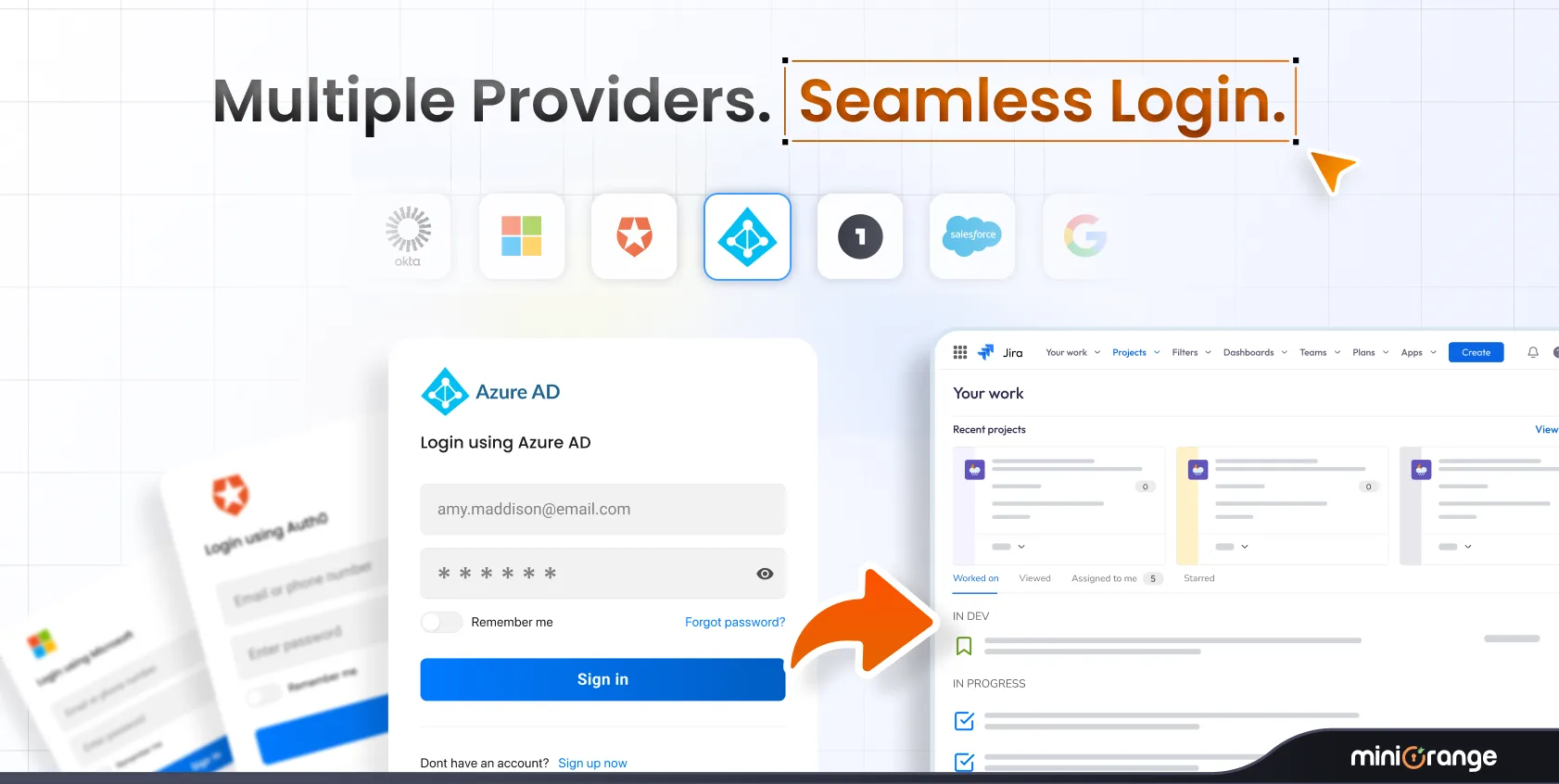
Provisioning can be automated for major platforms such as Okta, AWS, Azure AD (Entra ID), Google Workspace, and others.
4. Complete transparency with detailed logging
Every request, approval, and provisioning event is recorded, supporting compliance, internal audits, and access certifications.
5. Reduced operational overhead
Automation eliminates repetitive manual tasks, allowing IT and security teams to focus on high-value work.
6. Improved security posture
When access governance is automated and centralized, organizations significantly reduce the risk of unauthorized access or privilege creep.
Best Practices for Implementing Access Governance in Jira
To build a strong and sustainable access governance system, consider the following best practices:
1. Centralize access requests within Jira Service Management
Consolidate all requests into JSM to ensure a unified, trackable, and consistent experience.
2. Automate multi-level approval workflows
Use Jira workflows and automation rules to define approval paths based on policy, department, or resource sensitivity.
3. Integrate JSM with key applications and identity providers
Integrations with platforms like Okta, Azure AD, AWS, Google Workspace, Bitbucket, and GitHub, and more to simplify access provisioning.
4. Maintain detailed logs and audit trails
Track every request and action to support compliance and improve accountability.
5. Implement role-based and policy-based access controls
Assign access based on job roles or predefined policies to reduce overprivileged access.
6. Conduct regular access reviews and recertification
Periodically validate that users maintain only the access necessary for their role.
How miniOrange Simplifies Access Governance in Jira Service Management
miniOrange’s App Access and Governance workflow app is built specifically for Atlassian environments, enabling teams to fully automate the access lifecycle, from request to approval to provisioning, within Jira Service Management.
Below are the key capabilities that set it apart:
Automated User Onboarding & Offboarding
Organizations can trigger user creation, updates, or deactivation directly from a JSM ticket.
User accounts, group memberships, and application access are automatically provisioned or revoked, ensuring accuracy and reducing manual effort.
Intelligent Approval Routing
The app uses policy-based rules and smart post-functions to determine the correct approver, whether that is a manager, project lead, or department head, ensuring the approval process adheres to governance requirements.
Customizable Roles and Governance Policies
Administrators can tailor workflows, define approval policies, and configure role-based access rules to align with organizational needs and compliance frameworks.
Comprehensive Audit Trails and Reporting
Every action, requests, approvals, and provisioning, is logged with granular detail, making audits and access reviews significantly easier and more reliable.
Conclusion
Access governance is essential for safeguarding organizational resources, improving operational efficiency, and ensuring regulatory compliance. By automating access requests, approval routing, and provisioning, organizations not only strengthen their security posture but also create a smoother, more efficient user experience.
With miniOrange’s App Access and Governance workflow solution for Jira Service Management, Atlassian teams gain a centralized, automated, and fully auditable system that supports modern identity and governance needs.
If you are ready to streamline access governance, reduce manual workload, and enhance compliance, now is the ideal time to explore miniOrange’s workflow solution.
FAQs
1. What is access governance?
Access governance is the structured management of user access requests, approvals, provisioning, and auditing to ensure users receive appropriate access securely and consistently.
2. What is the primary objective of access management?
The main objective is to ensure the right individuals have the right level of access to the right resources at the right time.
3. How can access governance be automated in Jira Service Management?
By using workflow automation tools like miniOrange’s app, which route access requests, enforce approval policies, and provision access across connected applications automatically.
4. Which applications can miniOrange provision access to?
Okta, Azure AD / Entra ID, AWS, Google Workspace, Bitbucket, GitHub, Confluence, and various other enterprise applications.
5. How does automation help with audits and compliance?
Automated governance creates complete, tamper-resistant logs of all access activities, simplifying compliance and audit preparation.

Leave a Comment