Hello there!
Need Help? We are right here!

Your DPDP Compliance Deadline Is Approaching. May 2027 is closer than you think.
Need Help? We are right here!
Search Results:
×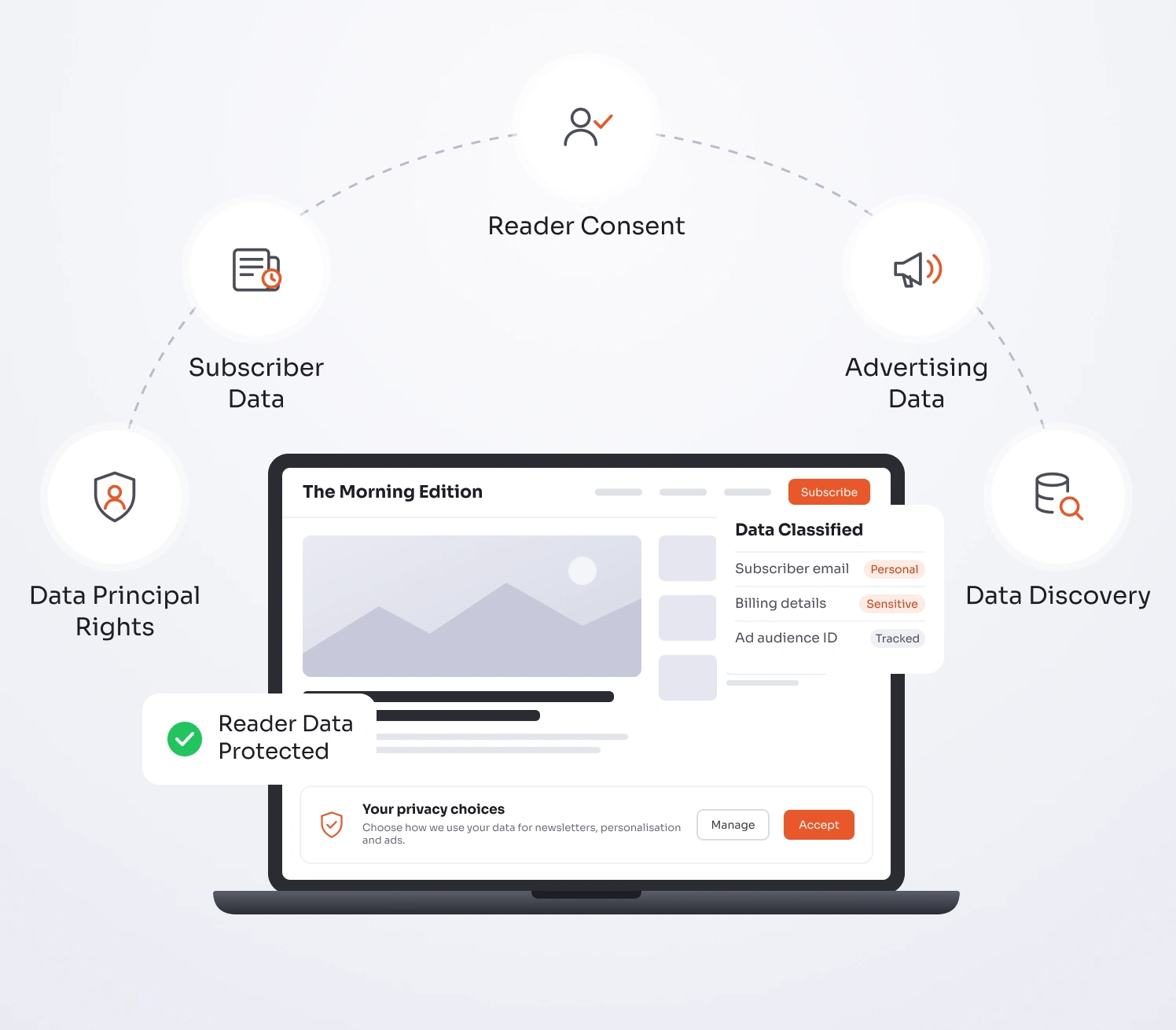
DPDP for publishers covers more than subscriber details. Subscriber data protection also requires publishers to govern identity,
commercial, behavioural, technical, and engagement information throughout the reader lifecycle.

Names, email addresses, phone numbers, login credentials, profiles, preferences, and comment history associated with reader accounts.

Subscription plans, renewal details, invoices, refunds, billing information, and records connected to paid memberships.

Reading history, interests, page activity, campaign interactions, cookies, tracking pixels, and information used for audience targeting or contextual advertising.

Device identifiers, IP addresses, application information, and approximate location associated with content delivery, security, analytics, or targeting.

Communication preferences, campaign interactions, survey responses, registrations, and other information generated through audience engagement.

Personal data processed or accessed by advertising platforms, analytics providers, agencies, technology vendors, and other external processors.
Build the operational controls needed to manage personal data according to purpose limitation, reader choices, processing requirements, and retention obligations.
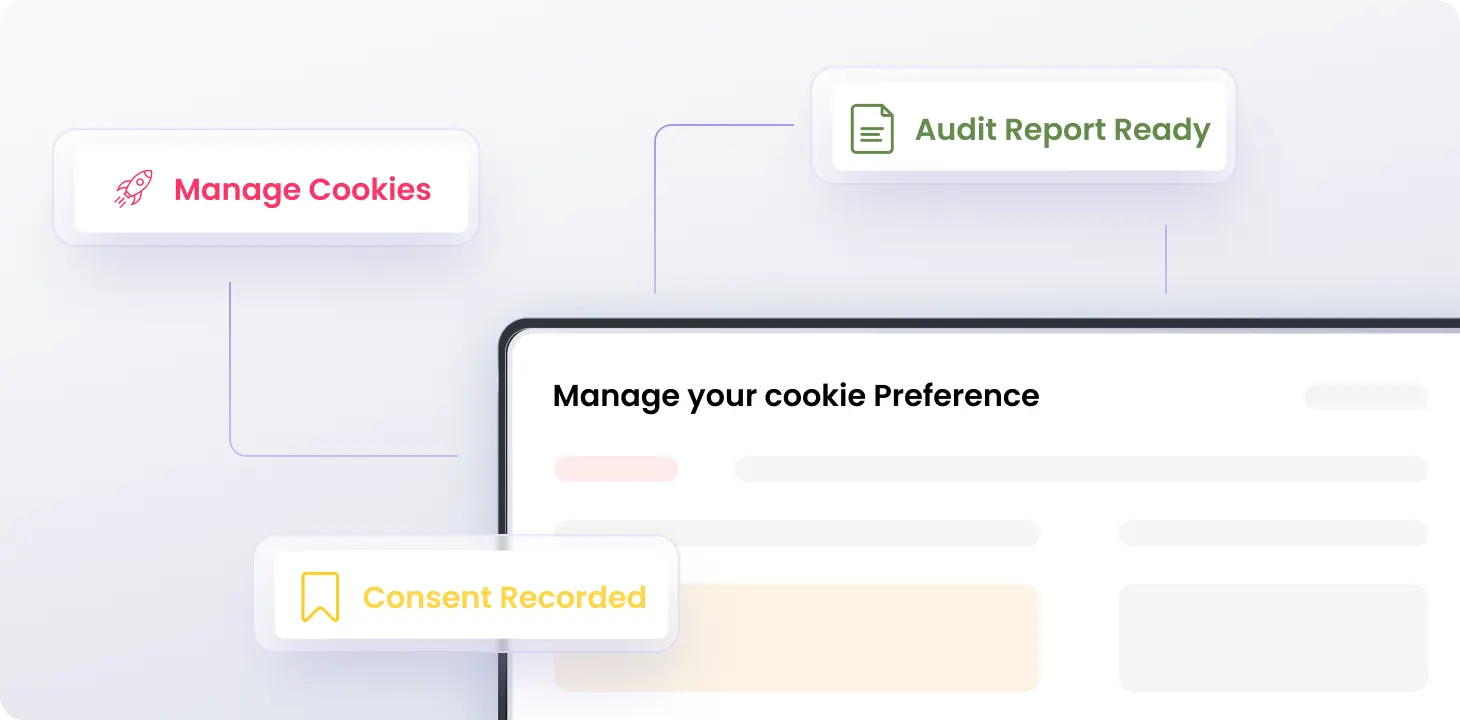
Strengthen reader consent management with clear preference controls across signups, subscriptions, communications, and other reader interactions.

Locate and classify personal data across structured and unstructured sources to understand what information exists, where it resides, and how it is used.
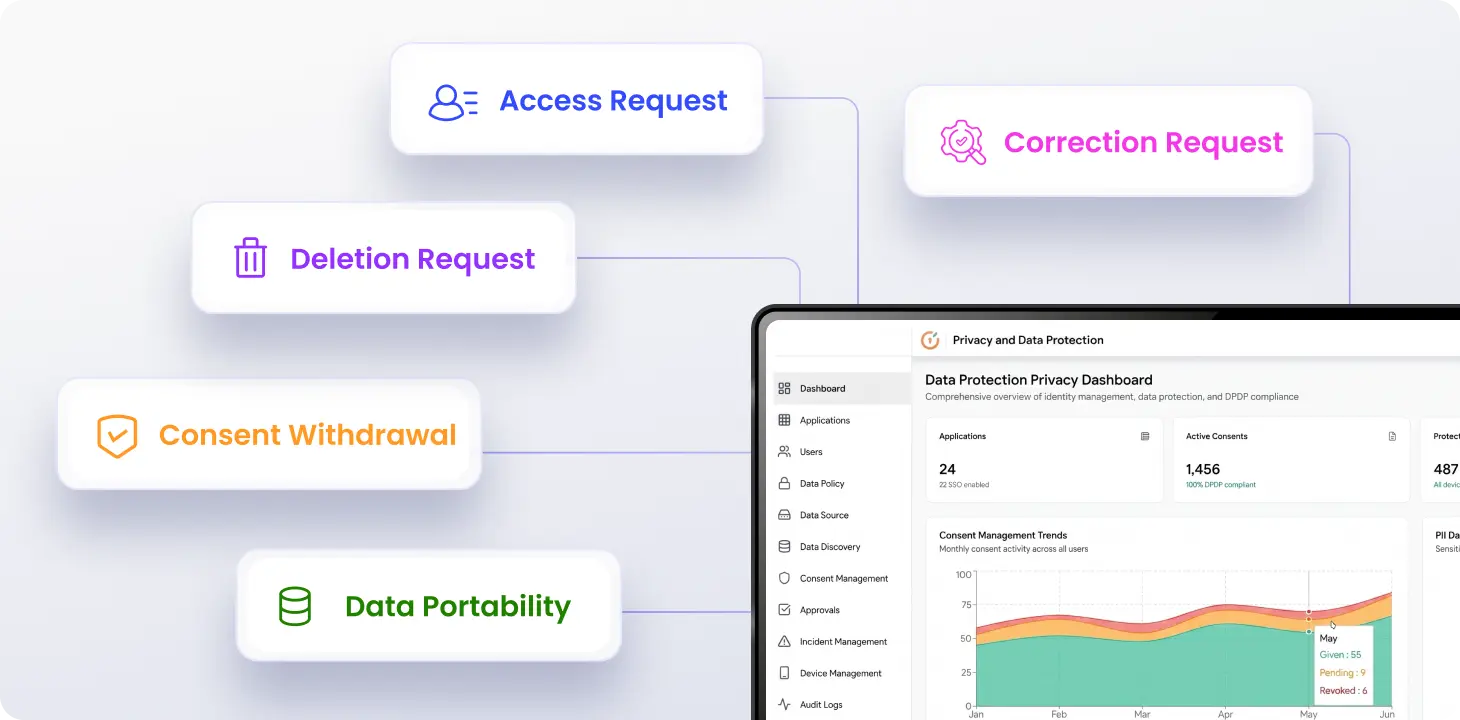
Route access, correction, erasure, grievance, and rights request workflows through defined processes with appropriate tracking and accountability.
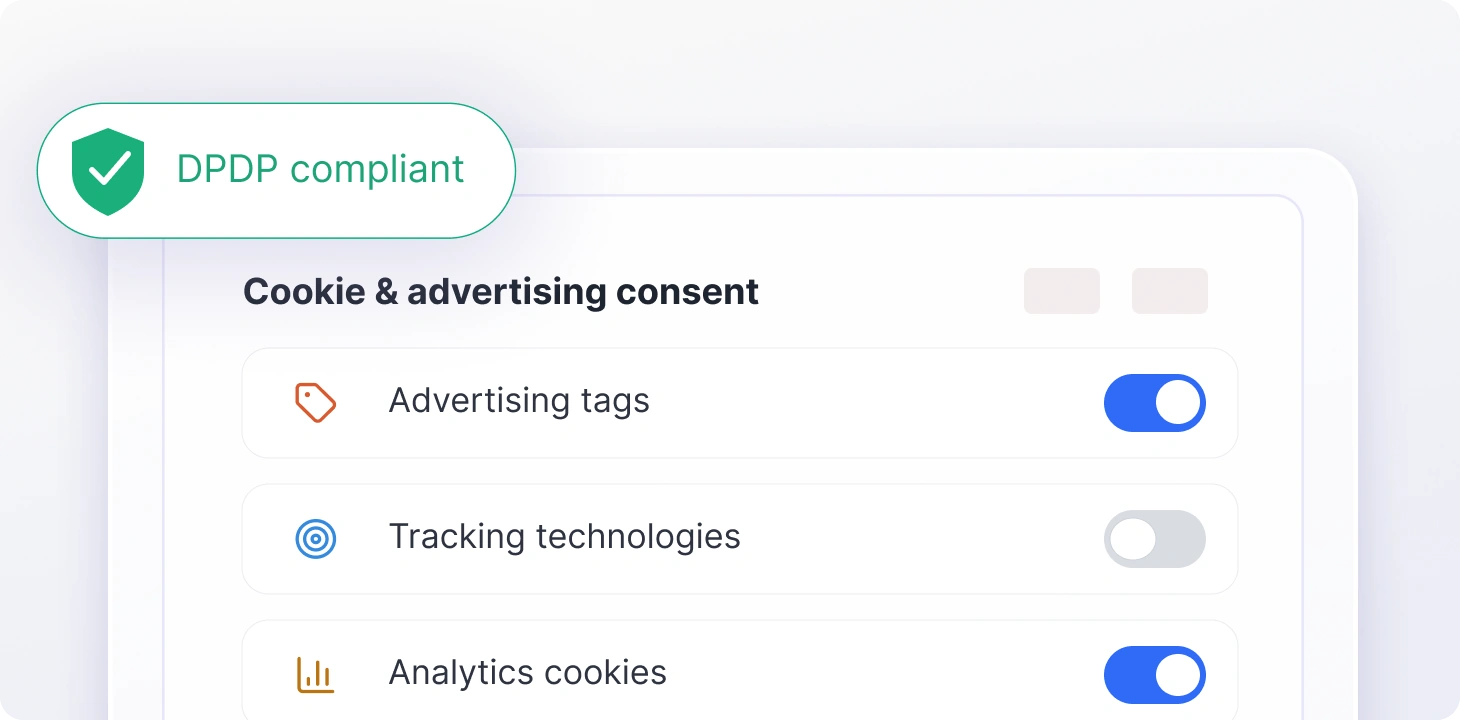
Implement cookie consent under DPDP by controlling cookies, tracking technologies, and advertising tags according to applicable reader choices.
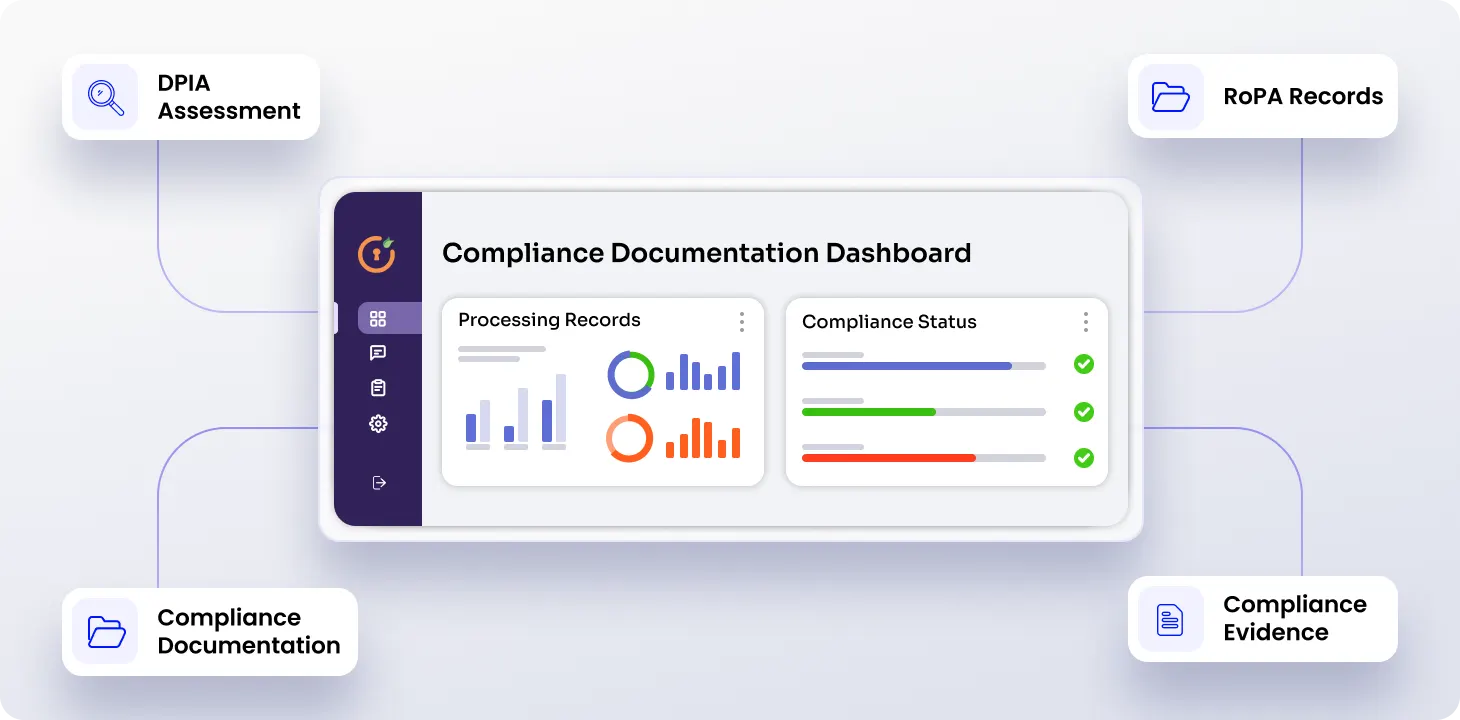
Maintain RoPA, DPIA, processing documentation, and supporting compliance information to demonstrate how personal data is governed.
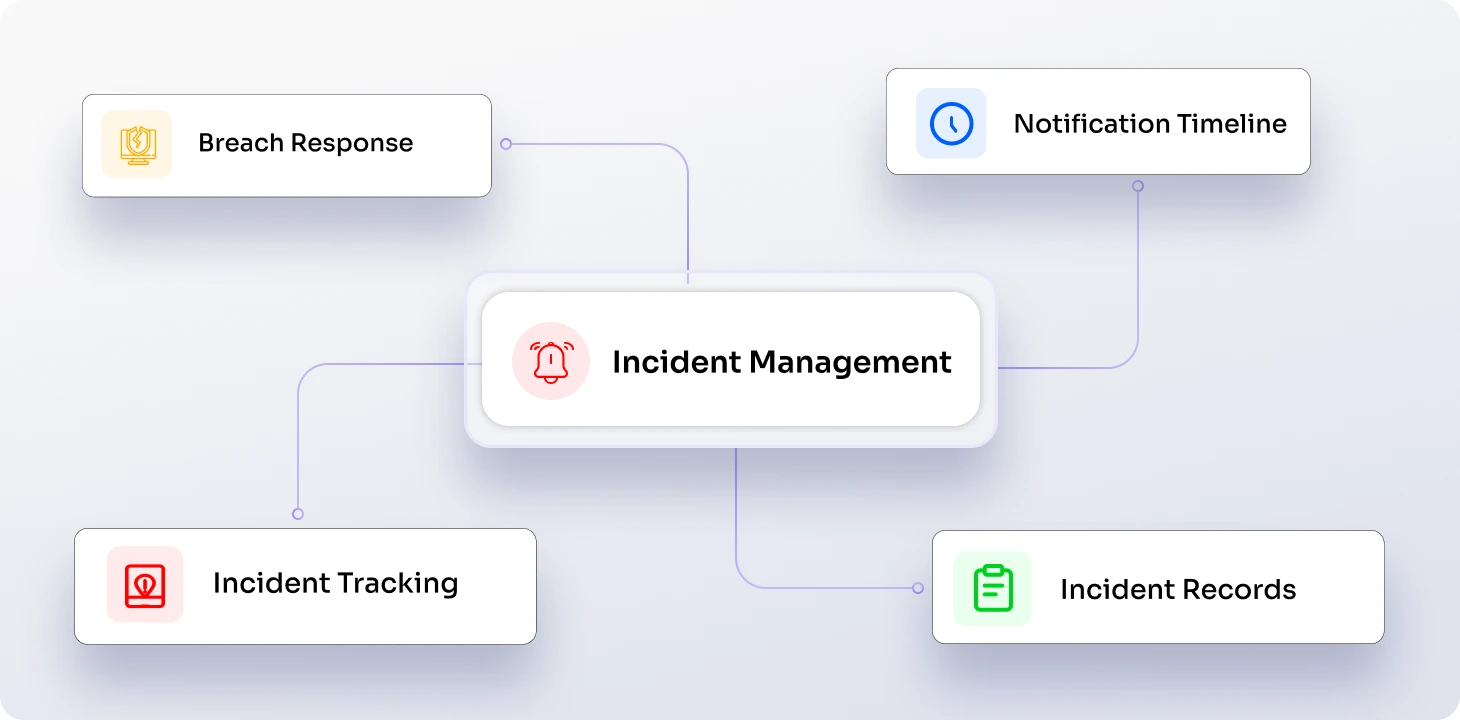
Coordinate incident handling, preserve relevant evidence, and support breach reporting requirements when a personal data breach occurs.
A structured approach helps publishers move from identifying privacy gaps to establishing repeatable controls and ongoing oversight.
Evaluate existing collection practices, consent notices, processing activities, third-party arrangements, and privacy controls.
Identify relevant personal data, including first-party data, and determine its type, location, ownership, processing purpose, and associated systems.
Establish repeatable processes for capturing preferences, managing consent withdrawal, and responding to Data Principal requests.
Define expectations for processors, review data-sharing arrangements, and establish appropriate data retention and disposal practices.
Track privacy activities through audit trails, reporting, dashboards, and recurring assessments to maintain operational oversight.
Privacy requirements vary according to how publishers acquire audiences, generate revenue, distribute content, and process reader information.
Turn privacy requirements into measurable controls across data visibility, reader choices, operational workflows, and regulatory accountability.

Build an inventory of personal data to understand its location, movement, processing purpose, and associated business systems.
Maintain reliable, timestamped evidence of reader choices to support accountability when consent records need to be reviewed.
Apply reader preferences to tracking technologies so advertising activity aligns with the choices a reader has made.

Standardize request intake, assignment, tracking, and resolution to reduce manual effort across privacy operations.

Create visibility into external organizations that access or process personal data and support stronger processor governance.

Keep privacy documentation and activity histories organized so teams can respond efficiently to assessments and regulatory inquiries.