Hello there!

Need Help? We are right here!

miniorange Support~
miniOrange Email Support
success

Thanks for your Enquiry.

If you don't hear from us within 24 hours, please feel free to send a follow-up email to info@xecurify.com

Search Results:

×

Data Classification Software

Managing sensitive data without visibility leads to risk. Data classification software helps organizations identify, label, and control sensitive data across systems, ensuring the right level of protection at all times.t enables businesses to understand what data they have, where it exists, and how it should be handled.

Schedule a Demo Start Free Trial
Data Classification Software

Why Do Enterprises Need Data Classification Tools?

Without an enterprise data classification tool, organizations struggle to identify, organize, and protect sensitive data across expanding systems and environments.

Lack of Data Visibility

Lack of Data Visibility

Enterprises often lack clarity on where sensitive data resides across systems. This creates blind spots that increase the risk of data exposure and misuse.

Unstructured Data Growth

Unstructured Data Growth

A significant portion of enterprise data exists in emails, documents, and files. Without classification, managing and securing this data becomes difficult.

Manual Classification Efforts

Manual Classification Efforts

Manual classification is time-consuming and prone to errors. This leads to inconsistent labeling and gaps in data protection.

Inconsistent Security Policies

Inconsistent Security Policies

Different teams and systems apply policies inconsistently. This results in uneven protection and increases the risk of data misuse.

Rapid Cloud Adoption

Rapid Cloud Adoption

Data is spread across multiple cloud platforms and services. Without classification, tracking and controlling sensitive data becomes challenging.

Compliance Requirements

Compliance Requirements

Enterprises need to comply with strict data protection regulations. Without proper classification, meeting compliance requirements becomes difficult.

Key Features of Our Data Classification Solution

Advanced data classification products help organizations identify, label, and protect sensitive data across environments.
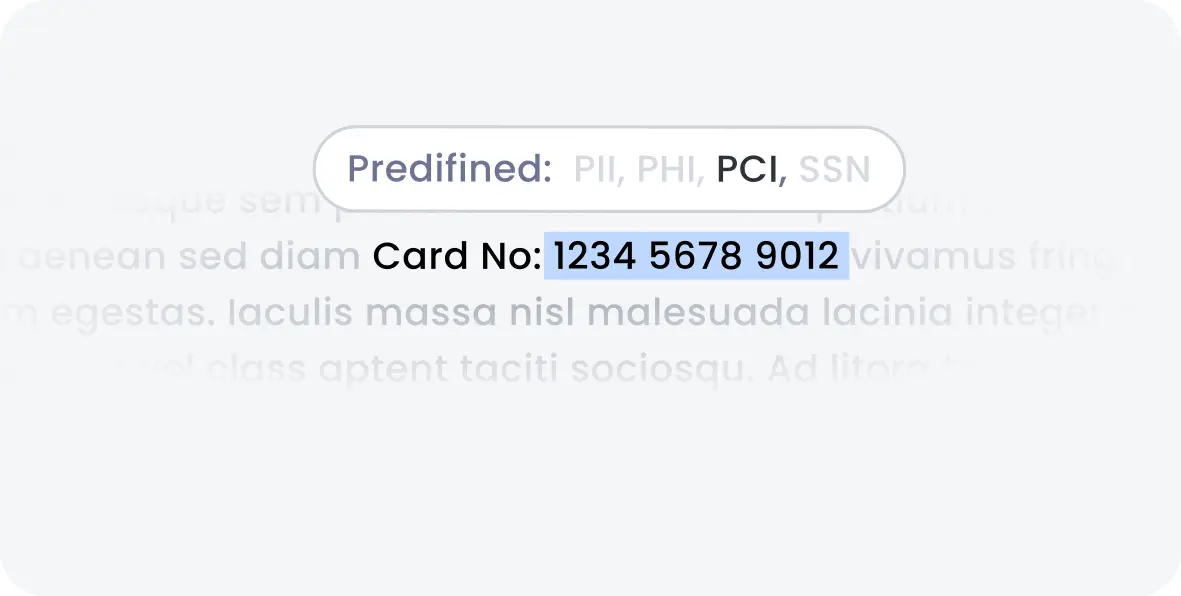

Automated Data Classification & Labeling

Automated Data Classification & Labeling

Classify and label data automatically based on predefined rules and context. This ensures consistent data handling across the organization.
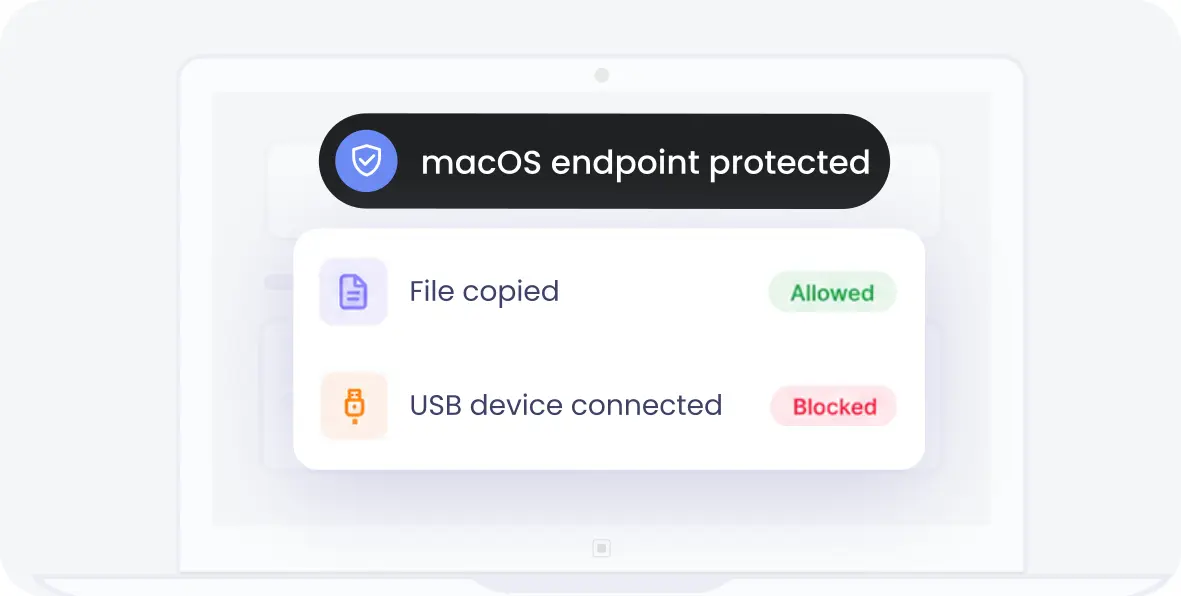
Endpoint Data Classification

Endpoint Data Classification

Identify and classify sensitive data stored on endpoints such as laptops, desktops, and managed devices. Gain visibility into sensitive information and apply protection policies.
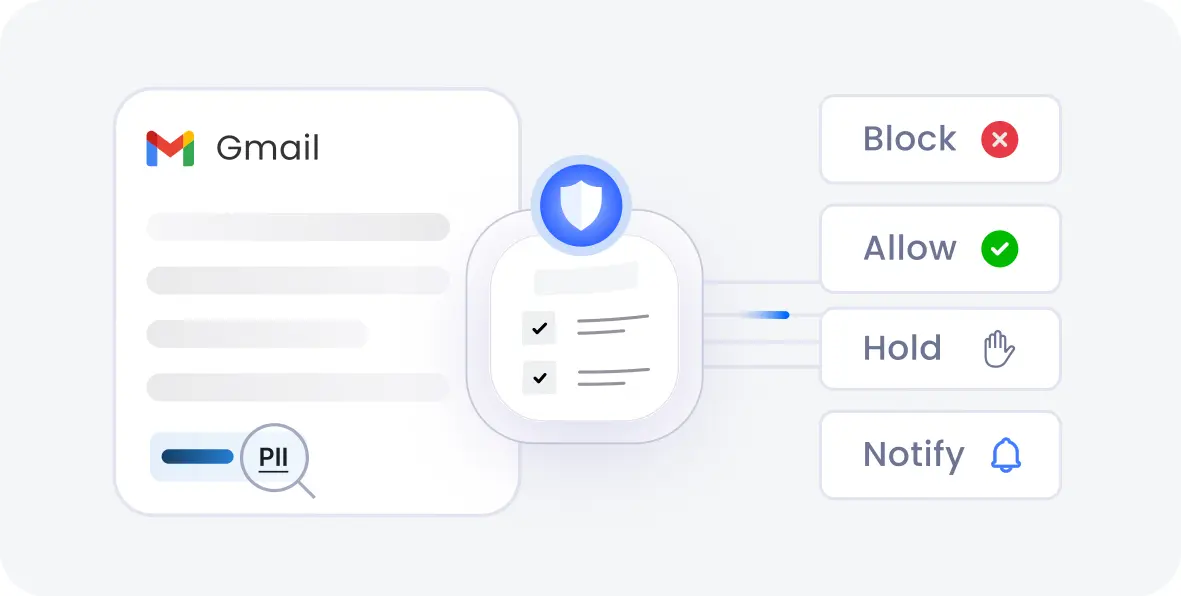
Email Data Classification

Email Data Classification

Identify and classify sensitive information within email content and attachments. Prevent unauthorized sharing and reduce the risk of data exposure through email.
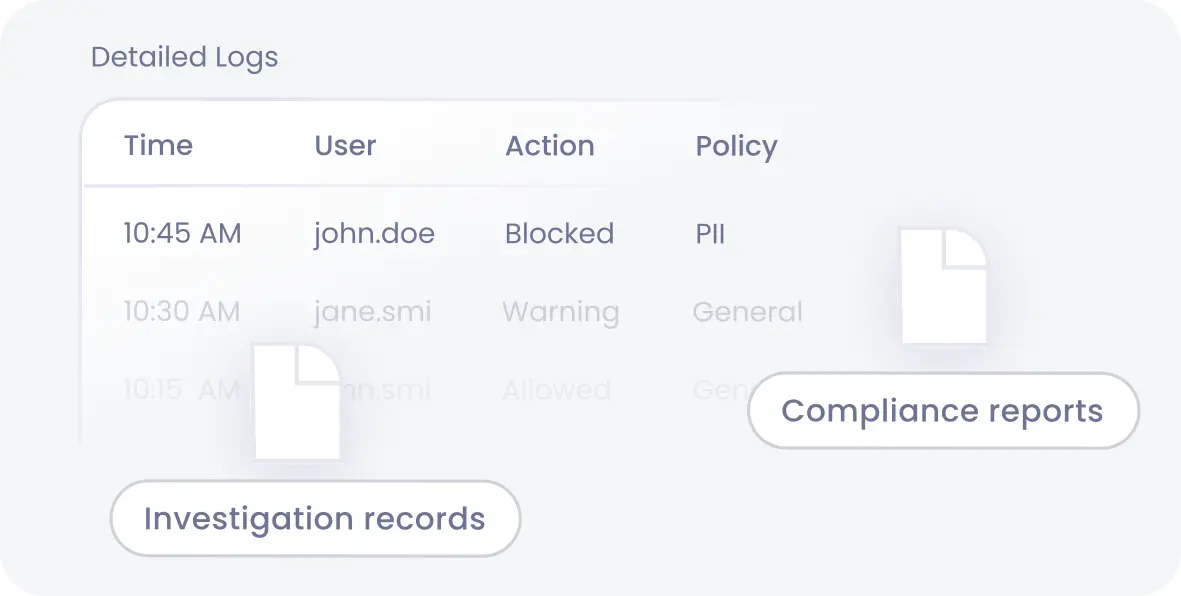
Real-Time Risk Assessment

Real-Time Risk Assessment

Continuously assess data risk based on usage and access patterns. This enables faster identification of potential threats.
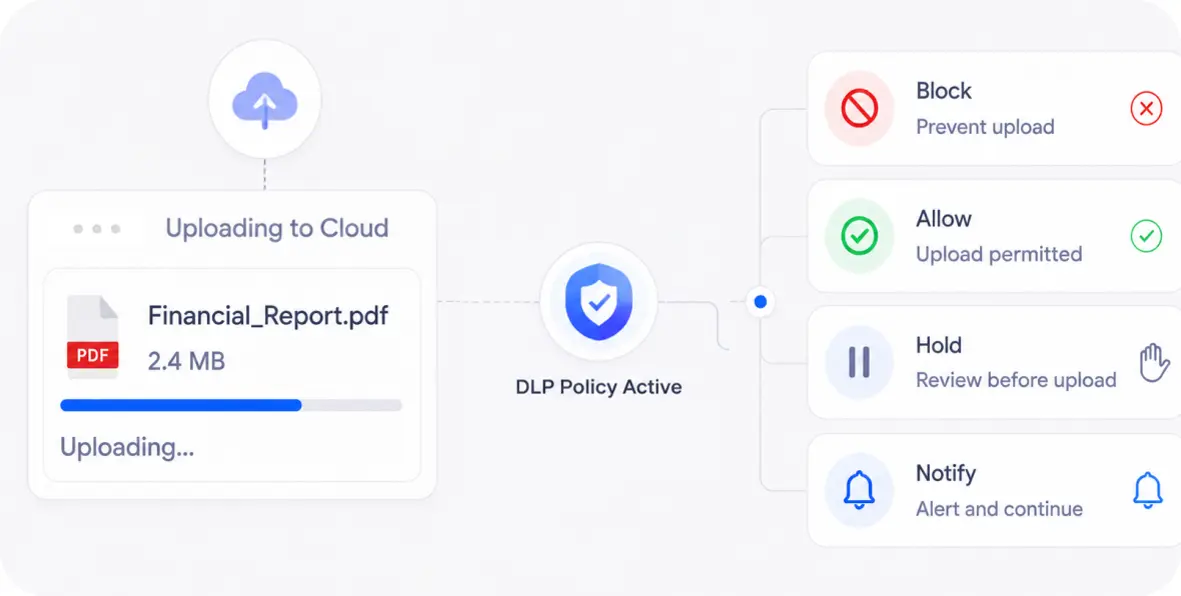
Cloud Data Classification

Cloud Data Classification

Classify data stored across cloud applications and storage platforms. This ensures visibility and control across distributed environments.

Compliance-Ready Data Governance

Compliance-Ready Data Governance

Support regulatory requirements with proper classification and reporting. This helps maintain compliance and reduces audit challenges.


Data Classification Platform for Complete Data Control

A data classification platform helps organizations label, organize, and control sensitive data across systems based on its sensitivity and usage.

Automated Data Classification
Context-Aware Data Classification
Data Labeling & Tagging
Policy-Driven Data Classification

Automated Data Classification

  • Automatically classify sensitive data across structured and unstructured environments using predefined rules.
  • Classify files, emails, and data across connected systems.
  • Apply consistent labels across all data types.
  • Reduce dependency on manual classification.

Context-Aware Data Classification

  • Classify data based on both content and how it is used within the organization.
  • Identify sensitive data using content and context.
  • Improve classification accuracy.
  • Reduce incorrect labeling.

Data Labeling & Tagging

  • Apply classification labels to data based on sensitivity and business context.
  • Tag data as public, internal, confidential, or restricted.
  • Ensure consistent labeling across systems and users.
  • Enable better control over how data is accessed and shared.

Policy-Driven Data Classification

  • Apply classification rules that align with organizational and regulatory requirements.
  • Enforce classification based on predefined policies.
  • Align data handling with compliance standards.
  • Ensure consistent protection across environments.

Data Classification Use Cases

A flexible data classification solution supports multiple real-world security and compliance scenarios.


Data Loss Prevention (DLP)

Data Loss Prevention (DLP)

Classify sensitive data so DLP policies are applied with accuracy across systems. Prevent unauthorized sharing and reduce the chances of data leaks.

Insider Threat Protection

Insider Threat Protection

Track how sensitive data is accessed and used by internal users. Detect unusual behavior early and limit the risk of misuse.

Regulatory Compliance

Regulatory Compliance

Identify and label regulated data based on compliance requirements. Maintain proper handling and stay prepared for audits.


Intellectual Property Protection

Intellectual Property Protection

Label confidential data such as designs, research, and product information. Restrict access and prevent unauthorized use of business-critical assets.

Email Security

Email Security

Scan and classify sensitive data within email communications. Prevent risky data from being shared outside the organization.

Cloud Security

Cloud Security

Classify data across cloud applications and storage platforms. Maintain visibility and control over sensitive data in cloud environments.

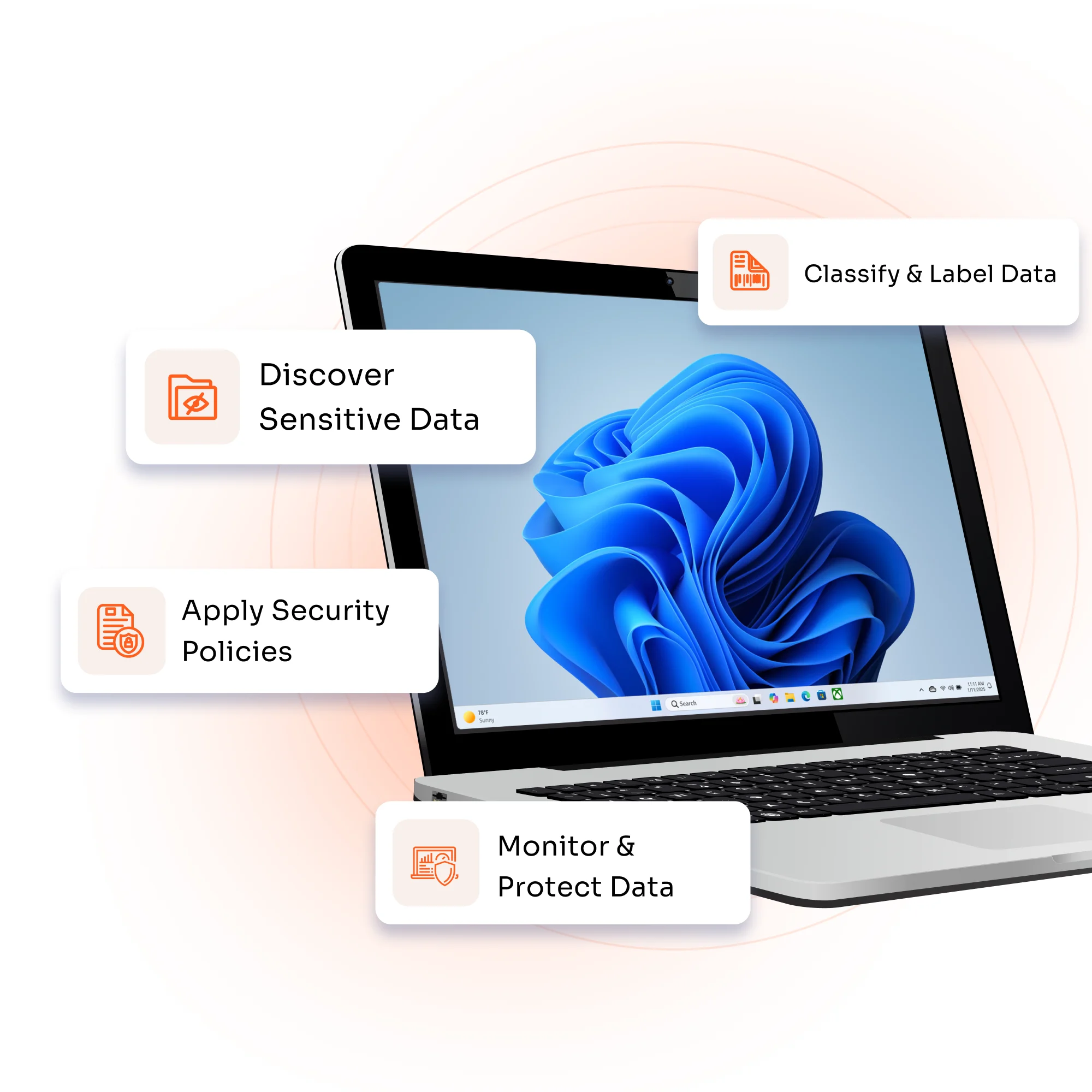
How miniOrange Data Classification Platform Works?

miniOrange structured data classification platform helps identify, label, and protect sensitive data across environments.

Discover Sensitive Data

Discover Sensitive Data

Identify sensitive information across files, emails, and cloud platforms.

Classify & Label Data

Classify & Label Data

Analyze data and automatically apply classification labels based on predefined policies.

Apply Security Policies

Apply Security Policies

Enforce controls based on data classification and sensitivity levels.

Monitor & Protect Data

Monitor & Protect Data

Monitor data activity and prevent actions that violate security policies.

Integrations & Supported Environments

miniOrange data classification software integrates across business tools and environments to ensure consistent visibility and control over sensitive data.

Microsoft 365
Google Workspace
Slack
Dropbox
AWS
Azure
OneDrive
SharePoint
Zoho Workplace
Custom SMTP

Secure Data with Data Classification Solution

Protect sensitive business data with accurate classification, contextual controls, and policy-driven enforcement across environments.

Why Traditional DLP Fails Without Data Classification?

Data classification is essential for DLP to work effectively.


Capability
Protection Accuracy
Policy Management
Sensitive Data Visibility
Risk Prevention
Scalability
Integration Support
Traditional DLP
High false positives due to limited context
Requires frequent manual tuning and adjustments
Limited visibility into where sensitive data resides
Reactive controls that respond after exposure
Difficult to manage across distributed environments
Siloed tools with limited interoperability

Why Choose miniOrange as Your Data Classification Vendor?

Reduce Data Leakage Risks

Identify and control sensitive data before it is shared. This helps minimize accidental and intentional data leaks.

Improve Compliance Readiness

Maintain visibility and control over regulated data. This helps meet compliance requirements more effectively.

Gain Full Data Visibility

Understand where sensitive data exists across systems. This helps eliminate blind spots and improve control.

Automate Security Operations

Reduce manual effort with automated classification and monitoring. This improves efficiency for security teams.


Frequently Asked Questions

Common questions about data classification software and how it strengthens DLP outcomes.
Contact us

What is data classification software?

How do companies classify sensitive data?

How does data classification work?

What are the business benefits of a data classification solution?

Why is data classification important for DLP?

How does automated data classification improve compliance?

Can data classification software detect PII?

Why do enterprises need data classification for DLP?


Want To Schedule A Demo?

Request a Demo