

According to the Baymard Institute, 22% of US consumers abandon an online purchase specifically because of an overly complicated registration and checkout process. While you may believe this to be a pricing issue, it’s usually a login problem.
Your customer login experience dictates your conversion rate right at the finish line. Why risk it for something you can control? This is where customer identity management becomes critical. Put simply, it controls how users register, sign in, and interact with your digital products. If you want to optimize your digital customer experience, you have to start where they start, at the front door.
Follow along as we dive into ways a modern Customer Identity and Access Management (CIAM) platform transforms your onboarding flows and helps your business grow.
Why the Login Moment Defines the Customer Experience
Many brands treat their homepage as their primary digital impression. In reality, the login or registration screen is the true first interaction a user has with your product. Users will leave if they experience friction instead of a warm welcome here.
In Ping Identity's 2024 Consumer Survey, security (78%) and ease of use (76%) ranked as the top two factors consumers weigh when interacting with a brand online.
Yet, most businesses design their registration flow around what is technically easy for their engineering teams to build, rather than what actually converts. And that’s not the best idea for creating an ideal customer onboarding experience.
Implementing CIAM gives your business deliberate, strategic control over this exact moment. You can design onboarding around the customer journey while balancing security and ease of use. This deliberate focus helps you improve customer trust online from the very first click.
How Customer Identity Management Removes Login Friction
Login friction is any step that slows a user down when accessing your app. It could be forgotten passwords, lengthy forms, or broken verification links. Here is how a customer identity platform helps reduce login friction:
Social Login
Standard registrations require a multi-field form and a tedious email verification loop. This manual entry is one of the highest-abandonment points in any registration flow. Using social login replaces this friction with an easy, one-click authentication process via trusted providers like Google, Apple, or Facebook. Users can get in and set up much faster.
Passwordless Authentication
Passwords create avoidable problems. Customers forget them, reuse weak ones, and spend time resetting them. This can be easily solved by offering a modern, secure passwordless login experience.
This includes magic links, where users click a secure, time-bound link sent to their email, and cryptographic passkeys.
According to the FIDO Alliance, passkeys deliver a 93% login success rate compared to just 75% for traditional passwords. For your business, that means 93 completed sessions per 100 attempts instead of losing a quarter of your traffic to password fatigue.
Progressive Profiling
Forcing users to fill out a massive profile on day one triggers immediate form abandonment. Instead, use progressive profiling to gather details naturally.
Let’s take a streaming platform. At signup, it asks only for an email address. A few days later, it prompts the user for their favorite genre in context while they browse. Finally, it collects billing info only when they make their first purchase. This gradual approach gathers rich, accurate customer data without overwhelming your visitors.
Security That Protects Customers Without Interrupting Them
Generally, adding more security is synonymous with adding friction. It drives up user drop-off rates. Risk-based, adaptive authentication helps resolve this conflict. Instead of forcing every user through the same rigid hoops, security scales dynamically based on real-time risk signals.
The system analyzes variables like the user's device, location, time of access, and behavior patterns.
Blanket MFA: Forces a user to type a text code every single time they open the app. This creates unnecessary friction.
Signal-Triggered MFA: Allows low-risk logins from a recognized laptop at home to stay fast and simple but triggers an adaptive MFA if the login suddenly originates from an unknown IP.
Ping Identity's 2024 Consumer Survey shows that appropriate, contextual security measures actually increase consumer trust rather than eroding it. Customers want to know you are protecting them, but they do not want that protection to get in their way. This balance is what creates a truly secure digital experience.
Personalization Requires Unified Identity: How Customer Identity Management Connects the Dots
According to Salesforce, 73% of customers expect companies to understand their unique needs. For this, you need a unified customer profile with data from all touchpoints, which many businesses don’t have. The exact same customer is often treated as entirely different people across your web store, mobile app, and in-store customer support systems.
Here, a unified customer profile maps every cross-channel interaction back to a single central identity. Your marketing team can provide personalized experiences when they have a single source of truth to refer to.
Connecting these dots directly impacts your bottom line:
- Higher Average Order Value (AOV): Tailored product recommendations hit at the perfect moment.
- Better Email Conversion Rates: Messaging aligns with real-time application behavior.
- Lower Customer Acquisition Cost (CAC): Retaining an existing, known customer is significantly cheaper than spending marketing dollars to acquire a new, unknown one.
A centralized customer identity platform can support customer retention by making digital interactions more consistent and relevant.
One Login, Every Channel: Removing Cross-Device Friction
We have all experienced this irritation of adding products to the cart on our phone and switching to a laptop for checkout, only to find the cart empty. That cross-device misalignment is a major reason for cart abandonment.
Customer-facing single sign-on (SSO) removes this barrier. It allows a user to authenticate just once and stay recognized across every app and website your brand has.
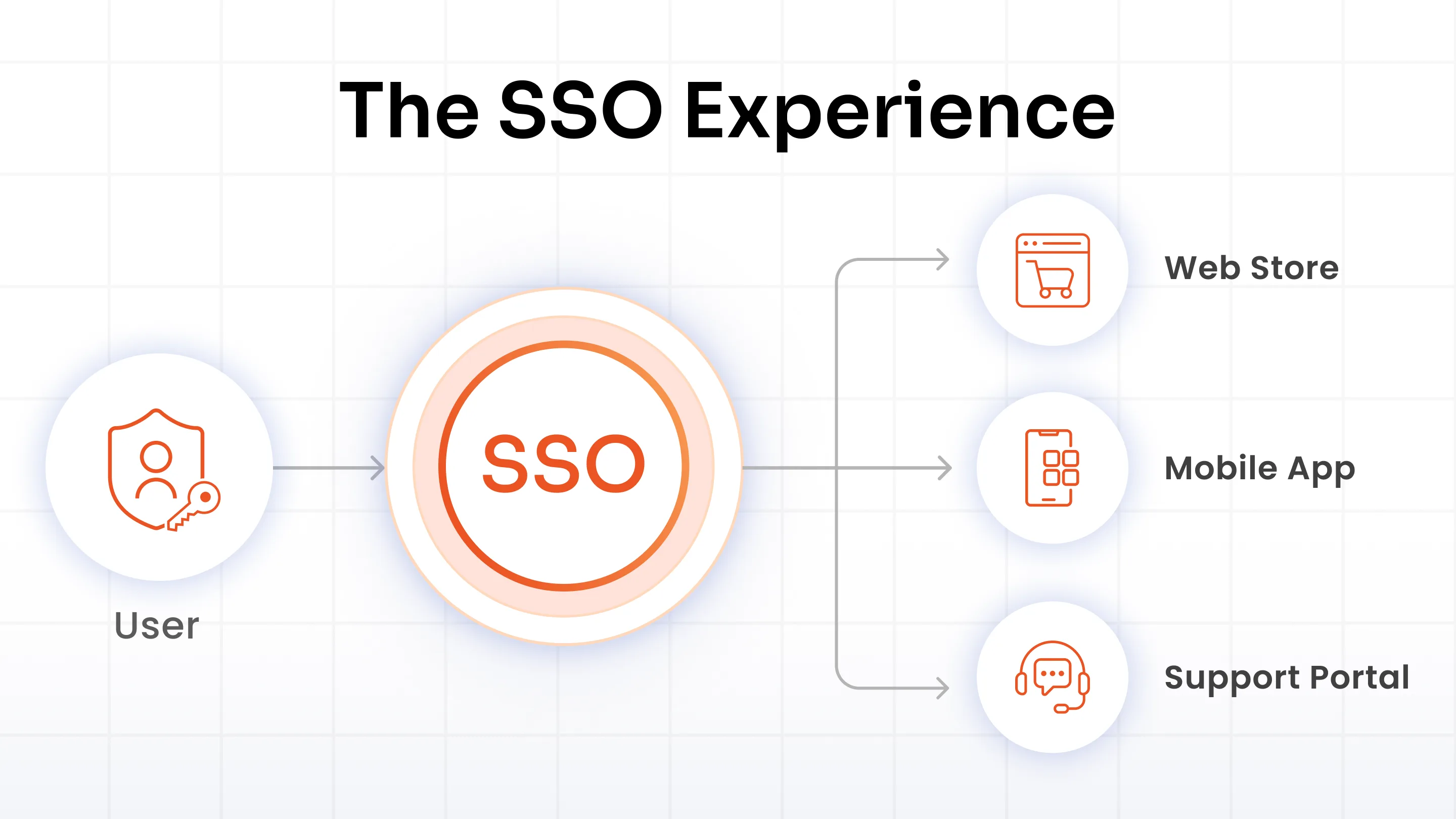
You must look at SSO as an essential customer experience element, not just a technical feature. Every single login prompt you present to a customer can be a potential exit point.
Let's look at an example in healthcare. With an omnichannel identity strategy powered by SSO, a patient can navigate between the patient portal, video platform, and pharmacy app seamlessly. This unified flow significantly reduces support tickets and password resets.
Account Takeover Is a Customer Experience Problem, Not Just a Security One
When a security incident happens, businesses usually focus entirely on the technical cleanup. But credential stuffing and account takeovers cause massive brand damage that outlasts any patch.
Take a typical loyalty points program as an example. In a credential-stuffing attack, attackers may use automated login attempts to access customer accounts and redeem loyalty points. The internal security team identifies the attack, blocks the malicious IPs, and rolls back the unauthorized point transfers within 24 hours. From a technical standpoint, the incident is resolved.
However, the customer experience is still damaged. Even if you restore the reward points, many frustrated customers will cancel their memberships and switch to a competitor. A technical fix cannot repair trust.
This is why proactive account takeover prevention is important for preserving CX. According to Liminal Research, incorporating converged fraud detection within your CIAM platform reduces account takeover losses by 53%.
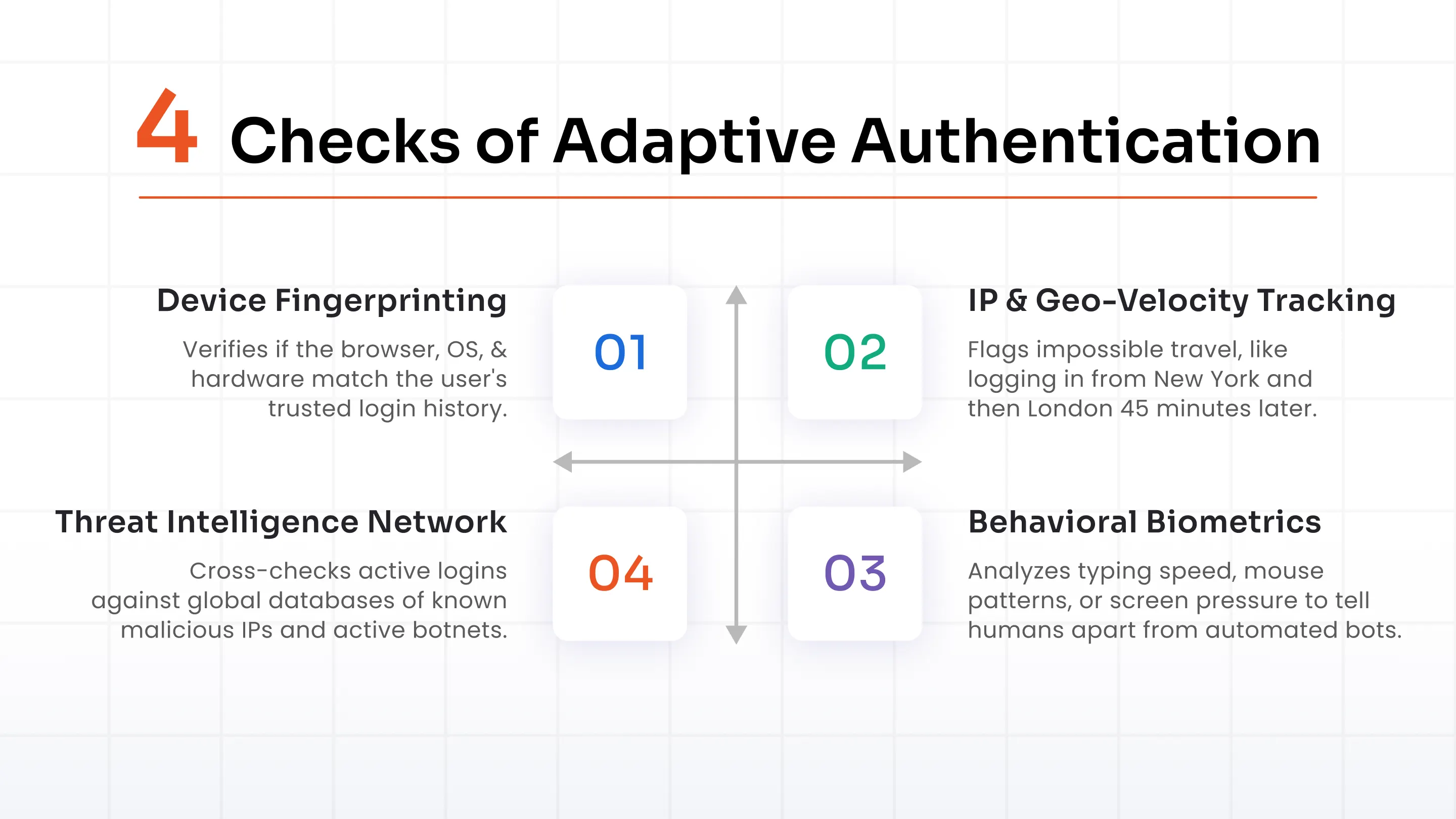
These controls can evaluate signals such as login velocity, device reputation, IP reputation, and behavioral patterns to identify suspicious activity before account access is granted. What makes it even better is that your customers never even know an attack took place. Invisible security is the ultimate goal.
Privacy Compliance as a Customer Experience Feature
Privacy compliance involves more than adding a cookie banner or consent checkbox to your website. 81% of consumers express concern over how brands use their personal data.
Customer data privacy can be a competitive differentiator. You can win trust by providing transparent, self-service consent management tools as a standard feature.
Give your customers clear, centralized, self-service account management portals where they can easily manage their data permissions at any time.
Clear consent experiences can help customers make more informed choices and may support higher opt-in rates. It helps your digital applications remain fully compliant with frameworks like GDPR, CCPA, and India's DPDPA without introducing clunky, disruptive workflows that ruin the user experience.
The Business Case for Investing in Customer Login Experience
Fixing your login flows drives measurable financial returns across your entire operational pipeline. Here are 5 ways it can help:
Customer Acquisition
The last thing a customer wants when purchasing a product is some login friction or error. By deploying social login and progressive profiling, you remove barriers and capture more signups.
Customer Retention
According to Gartner, combining advanced fraud detection with a smooth passwordless login experience can cut customer churn by 50% or more.
Average Order Value
Unified customer data helps your personalization engines, which directly increases your average order value (AOV).
Support Cost Reduction
Gartner data shows that implementing automated self-service account management options like password resets alongside adaptive authentication cuts login-related help desk calls by 20% to 30%.
Compliance Cost Reduction
A centralized consent infrastructure automates data tracking. Your legal and engineering teams spend fewer hours manually handling GDPR data subject requests.
Your Customer's Experience Starts at the Login Page
When you stop viewing customer identity as a basic infrastructure necessity and start treating it as a strategic growth driver, the results compound. You get a competitive advantage that’s undeniable by optimizing your onboarding flows, connecting your cross-channel data, and securing your accounts invisibly.
FAQs
How does customer identity management reduce cart abandonment?
It eliminates tedious registration and login obstacles right at the checkout stage. By introducing options like one-click social logins, passwordless entry, and persistent cross-device sessions, customers complete purchases instead of dropping off due to password frustration.
What is the difference between CIAM and workforce IAM?
Workforce IAM manages internal employees, prioritizing strict corporate security and internal compliance frameworks. In contrast, CIAM is designed for external consumers and customers, focusing heavily on delivering a seamless digital customer experience alongside robust security.
How does progressive profiling improve the customer onboarding experience?
Instead of overwhelming new signups with a massive, multi-field form on day one, it collects customer data gradually over time in a natural context. This reduces initial form abandonment while allowing your business to build richer, highly accurate user profiles.
Does improving the digital customer experience require replacing existing systems?
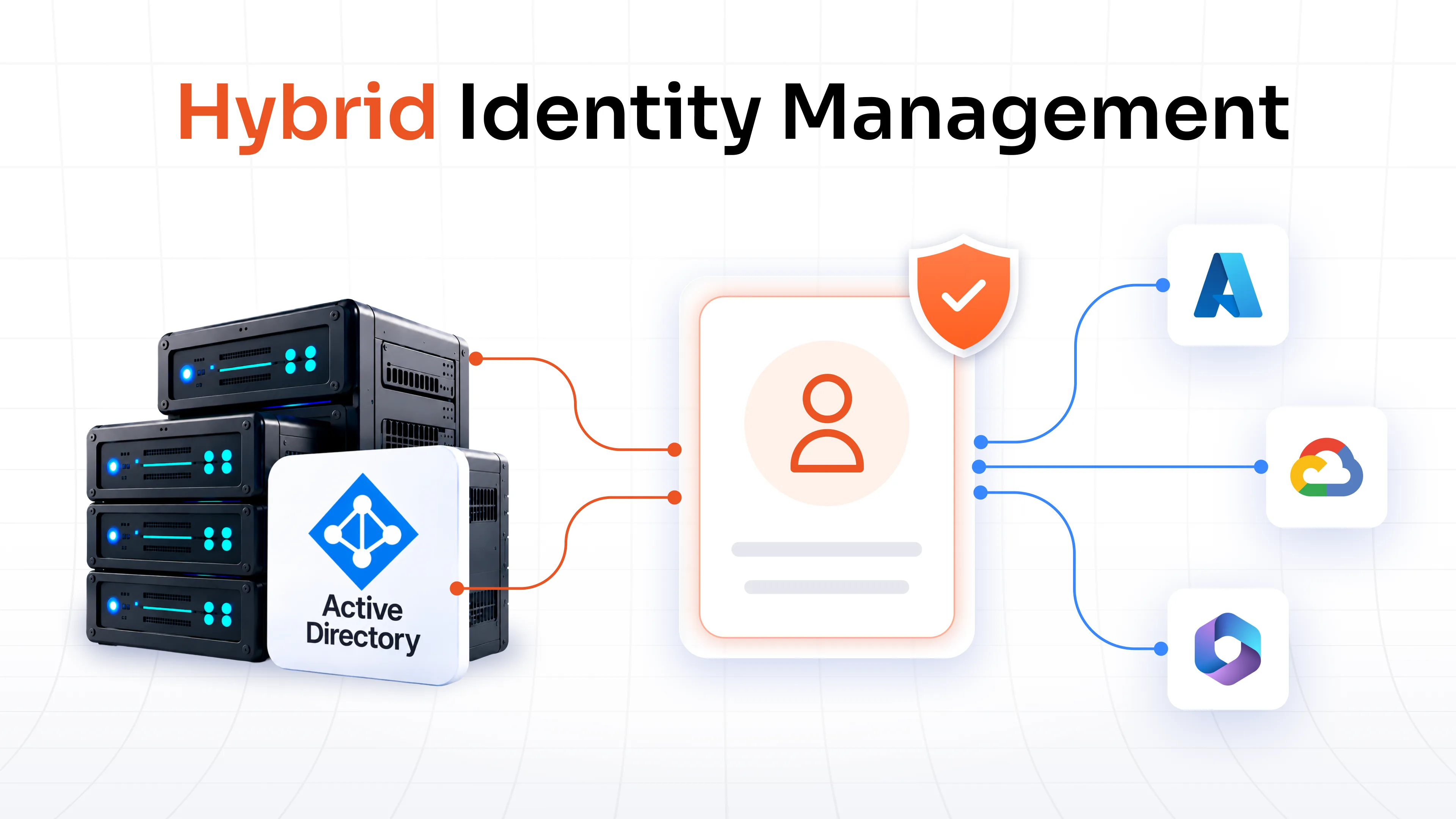
No, you do not need to tear down your current infrastructure. A modern CIAM platform seamlessly layers directly onto your existing CMS, CRM, and e-commerce platforms using pre-built connectors and flexible web or mobile SDKs.
What does account takeover prevention have to do with customer experience?
Account takeovers cause severe, often permanent damage to customer trust that a simple technical patch cannot repair. For example, if a loyalty rewards account gets breached and drained, frustrated users will leave bad reviews and abandon your brand entirely, making invisible threat prevention essential for customer retention.
How does customer identity management support GDPR and CCPA compliance without hurting the user experience?
It replaces clunky legal processes and confusing cookie banners with automated, self-service consent portals. This allows customers to easily manage their own data privacy choices transparently, which satisfies strict global compliance laws while actually improving consumer trust.
Leave a Comment