

SIM swapping is no longer a rare cyber threat. It has quickly become one of the most common forms of identity theft, and it does not require attackers to hack your device. Instead, it targets something far more accessible: your phone number.
Once attackers gain control of your number, they can reset passwords, intercept SMS-based authentication codes, and take over critical accounts. What may start as a simple SIM swap scam can escalate into serious financial loss or even a major enterprise security breach.
In this blog, we will explain what SIM swapping is, how a SIM swap attack works, why it is a growing concern for businesses, and most importantly, how to prevent SIM swapping effectively.
What is SIM Swapping?
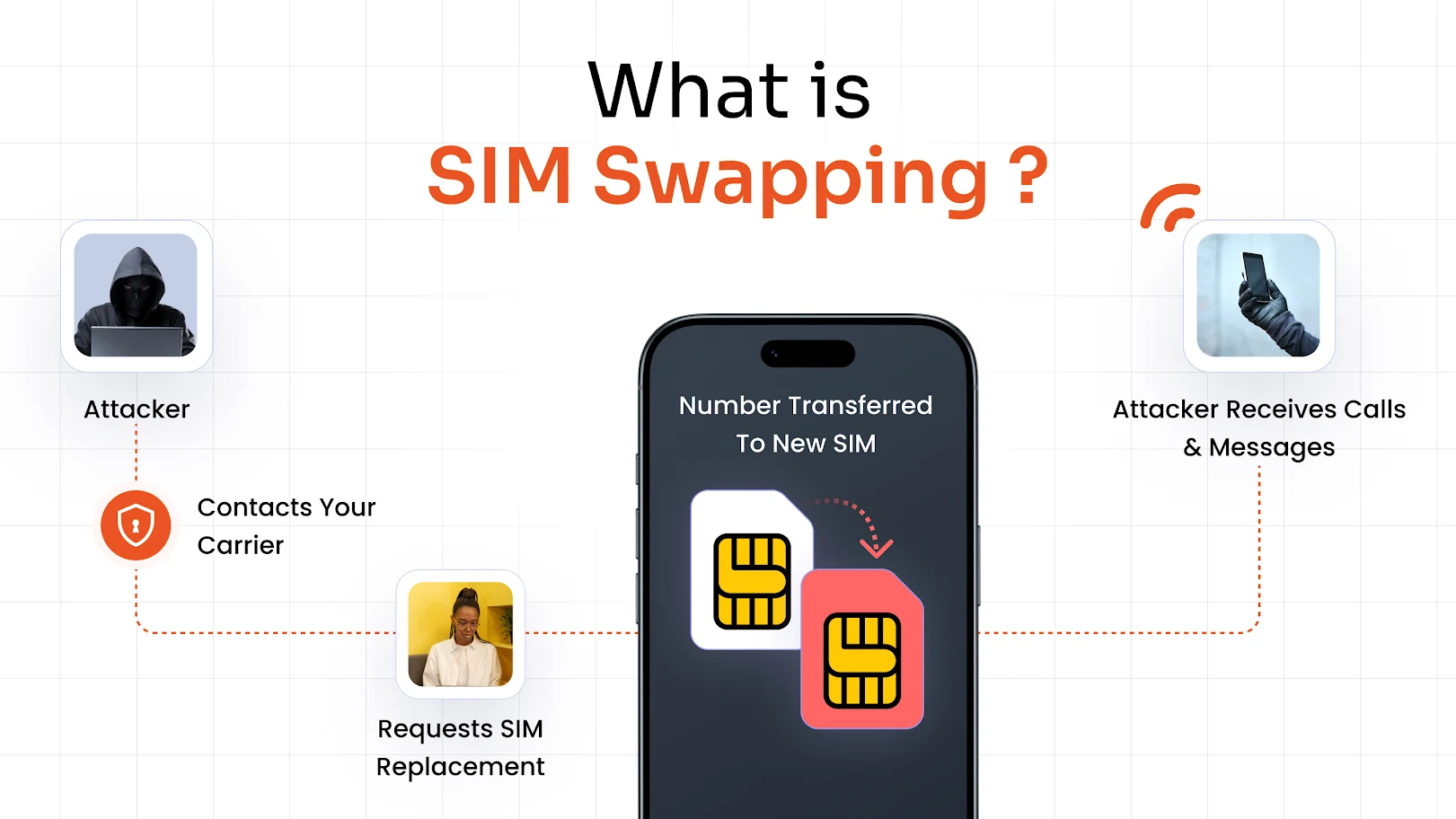
SIM swapping is a type of identity theft where an attacker transfers your phone number to a new SIM card they control to gain access to your accounts.
In simple terms, the attacker convinces your mobile carrier that they are you and requests a SIM replacement or number transfer. Once the transfer is completed, your phone stops working on the network, and the attacker starts receiving your calls and messages.
This allows them to intercept Two-Factor Authentication (2FA), such as One-Time Passwords (OTP) and authentication codes, reset passwords, and take control of your accounts. This makes a SIM swap attack highly dangerous, as it bypasses security systems that rely on SMS-based verification.
How SIM Swapping Works?
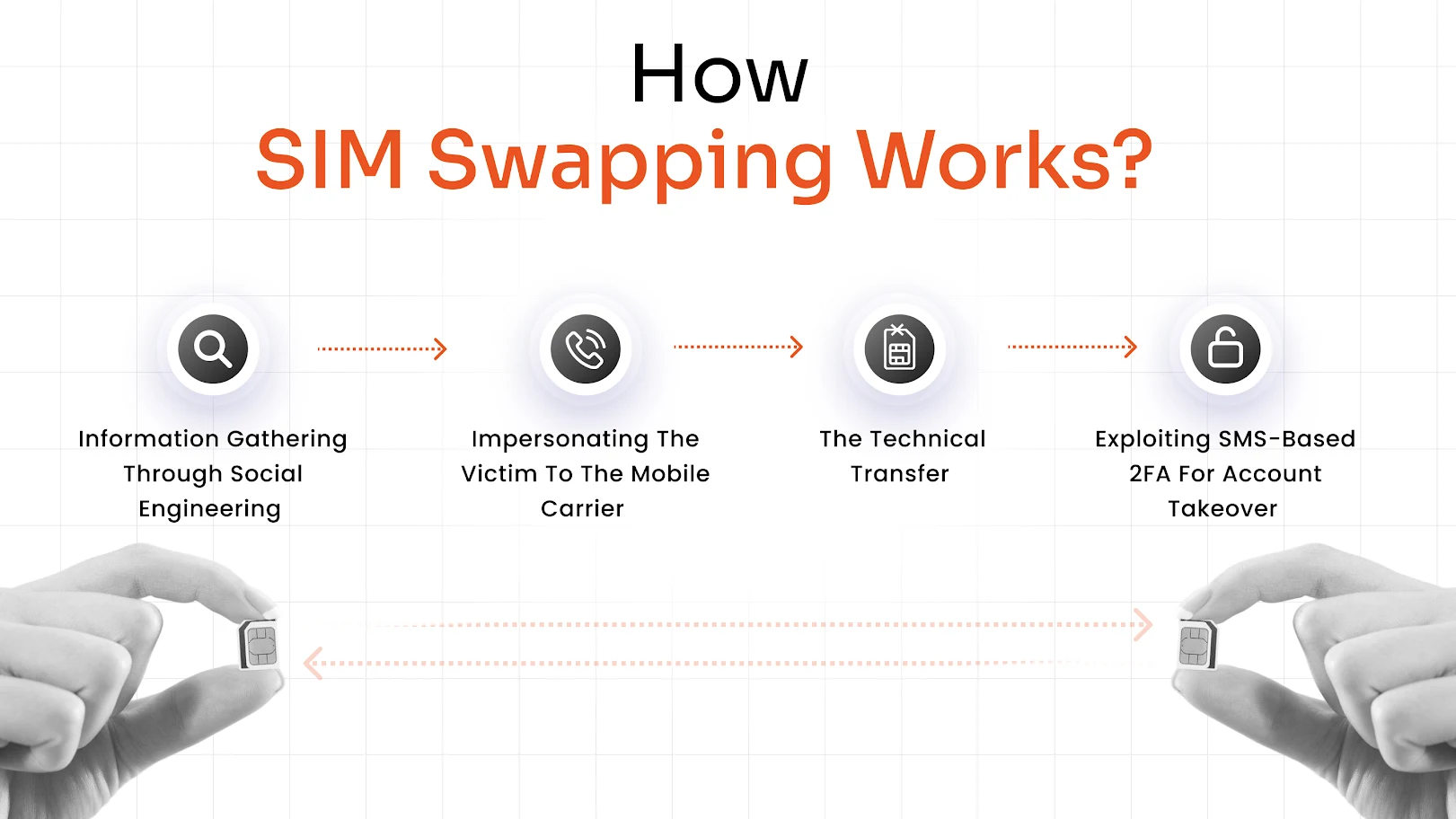
A SIM swap attack follows a structured and deliberate process rather than happening randomly. Attackers rely on a combination of social engineering and technical manipulation to take control of a victim’s phone number. Once successful, they use that access to bypass security systems and take over accounts.
Here’s how the SIM swap attack process works:
Phase 1: Information Gathering Through Social Engineering
The attack begins with collecting personal information about the target. This can include details like full name, phone number, email address, date of birth, or answers to security questions.
Attackers and hackers gather this information through phishing emails, data breaches, social media profiles, or leaked databases. The more information they have, the easier it becomes to impersonate the victim.
Phase 2: Impersonating the Victim to the Mobile Carrier
Once enough information is collected, the fraudster contacts the mobile carrier pretending to be the victim. They may claim that their phone is lost, stolen, or damaged and request a SIM replacement or number transfer.
Since carriers rely on identity verification, attackers use the gathered information to pass these checks. In some cases, they may use urgency or pressure tactics to convince customer support.
Phase 3: The Technical Transfer
If the carrier approves the request, the victim’s phone number is transferred to a SIM card controlled by the attacker. This process immediately disconnects the victim’s device from the network. The scammer now gains control over all incoming calls and text messages linked to that number. At this point, the victim usually notices a sudden loss of signal.
Phase 4: Exploiting SMS-based 2FA for Account Takeover
With control of the phone number, the attacker can intercept two-factor authentication, such as OTPs and verification codes sent via SMS. They use this to reset passwords and gain access to email, banking, social media, and business accounts.
Since many services rely on SMS-based authentication, this step allows attackers to bypass security and take full control. This is where the most serious damage occurs, including financial fraud and data breaches.
Why SIM Swapping is a Growing Concern for Businesses?
SIM swapping is no longer limited to individual users. It has become a serious security risk for organizations, especially those that rely on mobile-based authentication for access control.
In a business environment, a compromised phone number can directly impact critical systems and user identities. This makes SIM swapping a gateway attack that can lead to much larger security incidents.
For organizations, it poses a direct threat to:
- Employee accounts: Many employees use their phone numbers for account recovery and authentication. If an attacker gains control of a number, they can reset passwords and take over employee accounts. This can give unauthorized access to internal tools and sensitive information.
- SSO-based access systems: Single Sign-On systems often rely on SMS-based verification as part of authentication. If that layer is compromised, attackers can bypass access controls and move across multiple applications without needing additional credentials. This increases the scale of the breach.
- Administrative credentials: Admin and privileged accounts are high-value targets. If these accounts are protected using SMS-based authentication, attackers can gain elevated access to systems. This can lead to configuration changes, data exposure, or even complete system compromise.
A major reason for this risk is that many businesses still depend on SMS-based authentication. While convenient, it creates a weak link because it relies on control of a phone number rather than strong identity verification.
A single SIM swapping attack can:
- Compromise employee access by taking over individual user accounts.
- Bypass security layers that depend on SMS-based OTPs.
- Lead to unauthorized entry into corporate systems, including sensitive applications and data.
Because of this, preventing SIM swap fraud is no longer optional. It has become a critical part of modern identity and access management strategies, especially for organizations handling sensitive data and distributed workforces.
Signs That You Are a Victim of a SIM Swap Attack
SIM swap attacks often show early warning signs, but they are easy to miss if you are not actively looking for them. These signals usually appear suddenly and without a clear reason. Identifying them early can help you act quickly and reduce potential damage.
1. Sudden Loss of Mobile Signal
One of the most common signs of a SIM swap attack is an unexpected loss of network signal on your phone. If your device suddenly shows “No Service” or “Emergency Calls Only” for a long period, it could indicate that your number has been transferred to another SIM.
This is not the same as a temporary network issue, as the disruption continues even after restarting the device. In many cases, this is the first visible sign that your SIM is no longer active on your phone.
2. Unable to Send or Receive Calls and Messages
If you are unable to make calls, send texts, or receive messages without any clear reason, your SIM may have been deactivated. This usually happens immediately after the SIM swap is completed. While your device appears normal, it is no longer connected to your number. At the same time, the attacker is now receiving your calls and messages on their device.
3. Unexpected OTP or Password Reset Notifications
Receiving OTPs or password reset messages that you did not request is a strong indicator of suspicious activity. Attackers often attempt to reset passwords for email, banking, or social media accounts after gaining control of your number. These notifications are often one of the last chances to notice the attack in progress. Ignoring them can allow attackers to complete account takeovers.
4. Alerts About Unauthorized Login Attempts
Many services send alerts when there are login attempts from new devices or locations. If you receive such alerts without initiating any login, it could mean someone is trying to access your accounts.
In the case of SIM swapping, these attempts often follow shortly after the number is compromised. These alerts should be treated as a serious warning sign, not just a minor security notification.
5. Sudden Lockout from Your Accounts
If you suddenly cannot access your email, banking apps, or other accounts, it may indicate that your credentials have been changed. Attackers often reset passwords immediately after gaining access through SMS-based verification. This prevents you from regaining control quickly. A sudden lockout across multiple services is a strong sign that a SIM swap attack may already be in progress.
How SIM Swapping Affects Individuals and Enterprises?
SIM swapping is not just about losing control of a phone number. It acts as a gateway for attackers to gain access to critical accounts, financial systems, and enterprise infrastructure. What starts as a simple identity takeover can quickly escalate into large-scale security and financial damage.
Here’s how SIM swapping affects individuals and enterprises
1. Financial Loss and Banking Fraud
One of the most immediate impacts of a SIM swap attack is financial loss. Once attackers gain control of a phone number, they can reset passwords for banking and payment applications that rely on SMS-based OTPs. This allows them to access accounts, initiate transactions, and transfer funds without the victim’s consent.
In many cases, victims are unaware of the breach until unauthorized transactions have already been completed. Recovering lost funds can be difficult, especially if the attack is not detected quickly.
2. Corporate Data Breaches via Hijacked SSO Solutions
In an enterprise environment, SIM swapping can compromise access to multiple systems through a single point of entry. If an employee’s phone number is linked to SMS-based authentication for SSO, attackers can bypass login verification and gain access to multiple applications. This includes internal tools, cloud platforms, and sensitive business data.
Since SSO connects multiple services, a single compromised account can lead to widespread exposure. This makes SIM swapping a serious threat to organizational security.
3. Compromising Administrative Access through PAM Software
Privileged accounts are among the most valuable targets for attackers. These accounts often have elevated permissions that allow changes to systems, access to confidential data, and control over infrastructure.
If such accounts rely on SMS-based authentication, attackers can exploit SIM swapping to gain administrative access. This can result in system manipulation, data leaks, or even complete control over critical environments. The impact at this level can be severe and difficult to contain.
How to Protect Against SIM Card Swap Scams?
SIM swapping attacks exploit weak authentication methods, especially those that rely on SMS. Preventing them requires a layered security approach that strengthens identity verification and reduces dependence on phone numbers as a primary factor.
Here’s how you can prevent SIM swap scams:
1. Moving Beyond SMS: Implementing Robust MFA Solutions
SMS-based authentication is one of the weakest links in modern security because it depends on control of a phone number. Attackers can bypass it through SIM swapping without ever accessing the actual device.
To reduce this risk, organizations and users should adopt stronger MFA methods such as authenticator apps, biometrics authentication, or hardware security keys. These methods are tied to the user or device rather than the phone number, making them much harder to intercept or manipulate. Moving away from SMS-based OTPs significantly reduces the chances of account takeover.
2. Securing Workforce Access with IAM Solutions
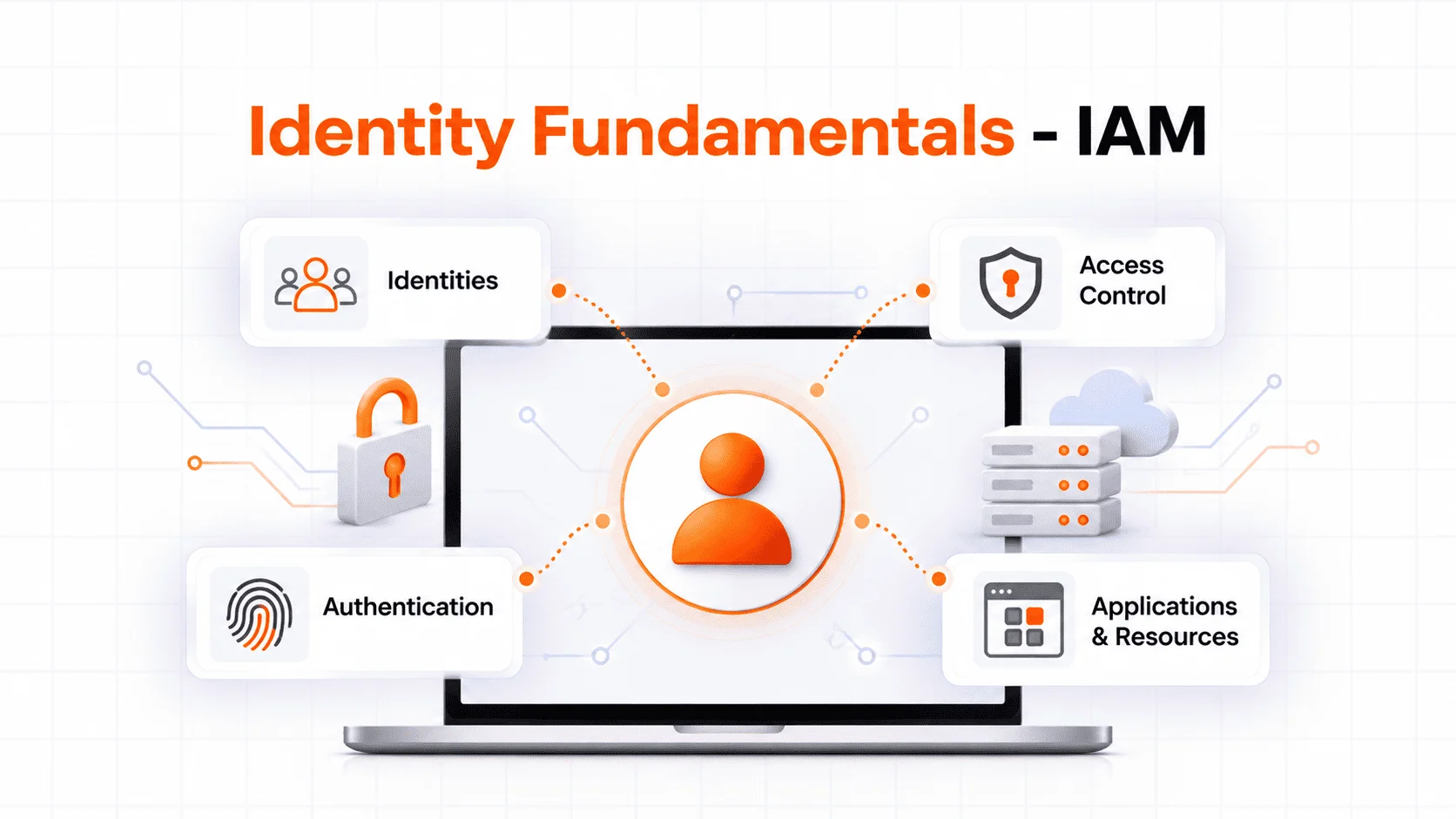
A centralized identity and access management system helps enforce consistent security policies across all applications. With IAM, organizations can control how users authenticate and what level of verification is required.
IAM reduces reliance on fragmented login systems that may still use SMS-based authentication. It also improves visibility into user access and helps detect suspicious login attempts more effectively. By securing access at the identity level, organizations can minimize the impact of SIM-based attacks.
3. Hardening Privileged Accounts with PAM Software
Privileged accounts have elevated access and can control critical systems, making them prime targets for attackers. These accounts should never rely on SMS-based authentication, as a SIM swap could give attackers full administrative control.
Privileged Access Management (PAM) solutions help enforce stricter controls such as Multi-Factor Authentication (MFA), session monitoring, and access approvals. They also provide visibility into how privileged accounts are used, reducing the risk of misuse. Strengthening these accounts is essential to prevent high-impact security incidents.
4. Carrier-Level Security: Port-Out PINs and SIM Locks
Mobile carriers offer additional security features that can help prevent unauthorized SIM transfers. Setting up a port-out PIN adds an extra verification step before your number can be moved to another SIM.
SIM locks and account-level security settings further restrict unauthorized changes. While these measures do not eliminate the risk entirely, they make it significantly harder for attackers to complete a SIM swap. Enabling these protections adds an important layer of defense at the carrier level.
What to Do if You Suspect a SIM Swap?
A SIM swap attack can escalate quickly, so immediate action is critical. The longer an attacker has control over your phone number, the higher the risk of account takeovers, financial loss, and data exposure. Acting fast can significantly reduce the impact and help you regain control.
If you suspect a SIM swap attack, take the following steps immediately:
- Contact your mobile carrier and block your SIM: Reach out to your mobile carrier as soon as possible and report the issue. Request them to suspend or block your number and reverse any unauthorized SIM transfer. This is the most important step to stop the attacker from receiving your calls and messages.
- Secure your email and banking accounts: Your email and banking accounts are often the primary targets in a SIM swap attack. Try to log in and check for any suspicious activity or unauthorized transactions. If you still have access, immediately secure these accounts before attackers lock you out.
- Reset passwords for critical services: Change passwords for important accounts such as email, banking, cloud services, and work applications. Use strong, unique passwords for each account to prevent further compromise. Prioritize accounts that are linked to your phone number for recovery or authentication.
- Enable stronger MFA methods: Replace SMS-based authentication with more secure options like authenticator apps, biometrics, or hardware security keys. These methods do not rely on your phone number and are much harder for attackers to bypass.
- Inform your organization’s IT or security team: If your number is linked to work accounts, notify your IT or security team immediately. They can take preventive actions such as blocking access, resetting credentials, and monitoring for suspicious activity across systems.
Speed matters in a SIM swap attack. The faster you respond, the better your chances of limiting damage and preventing further account compromise.
The Role of IAM in Preventing SIM Swapping
Preventing SIM swapping starts with eliminating weak authentication methods, especially those that rely on SMS-based verification. Organizations need stronger, identity-driven security controls that do not depend on phone numbers.
IAM solutions like miniOrange helps achieve this by offering:
- Adaptive MFA: IAM solutions replaces SMS-based OTPs with stronger authentication methods like authenticator apps, push notifications, biometrics, and hardware tokens. It also evaluates context such as device, location, and user behavior to apply the right level of verification. This makes it much harder for attackers to bypass authentication, even if a phone number is compromised.
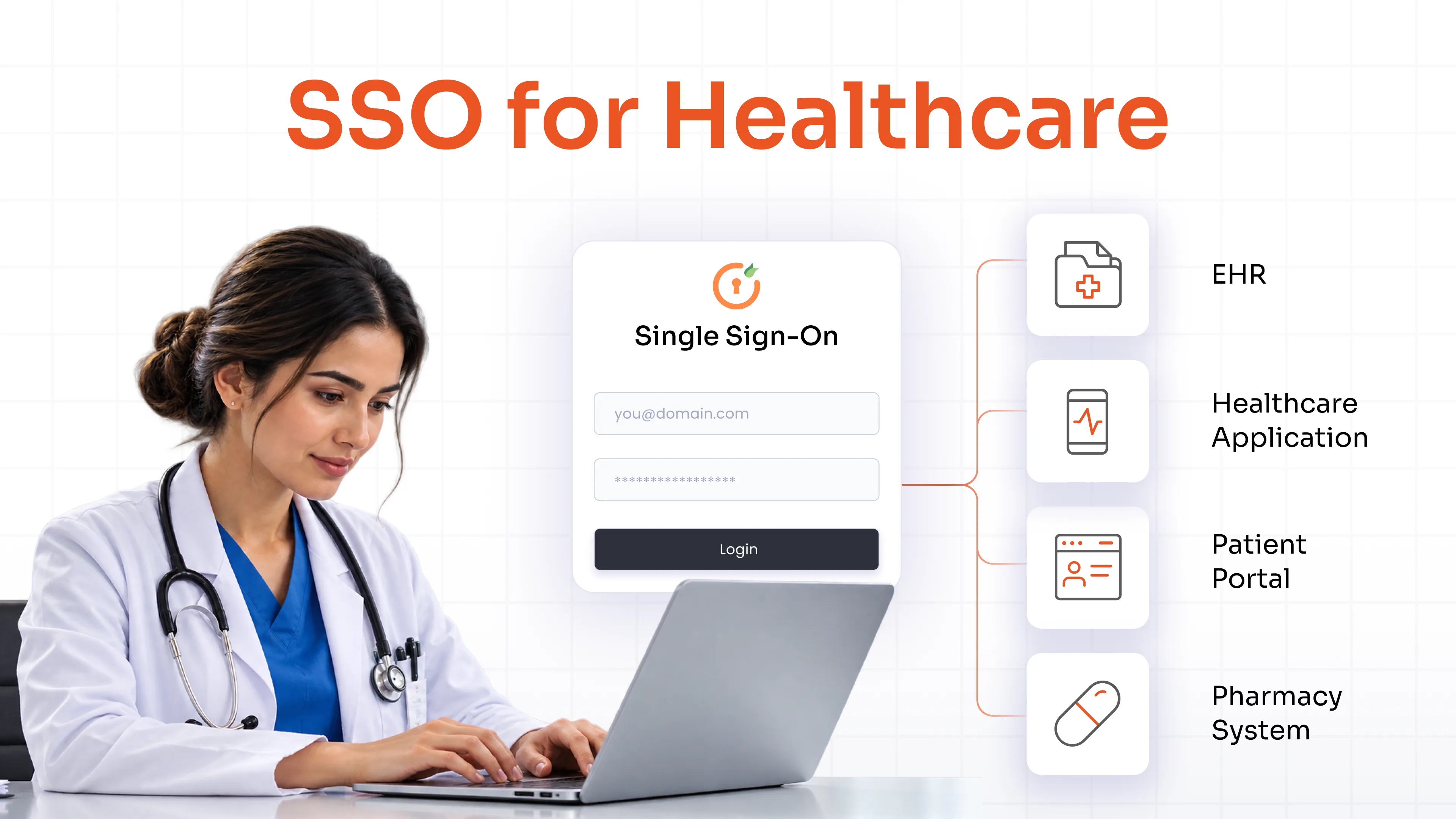
- SSO Authentication: Single sign-on centralizes access across multiple applications, reducing repeated logins and minimizing dependency on SMS-based verification. It allows organizations to enforce consistent authentication policies from a single point, improving both security and user experience.
With IAM solutions like miniOrange, organizations can eliminate reliance on SMS-based OTPs, strengthen authentication across systems, and protect against identity-based attacks like SIM swapping.
Enhance Your Enterprise Security and Prevent SIM Swapping with miniOrange IAM
SIM swapping highlights a deeper issue. Identity has become the primary attack surface, and traditional authentication methods are no longer enough. When access depends on SMS-based verification, attackers can bypass security by taking control of a phone number.
To address this, organizations need identity-first security that does not rely on vulnerable authentication methods.
miniOrange IAM helps secure access by replacing weak authentication with stronger, reliable controls. It enables organizations to protect user identities, enforce consistent access policies, and reduce the risk of account compromise.
With miniOrange IAM, organizations can:
- Strengthen authentication by moving beyond SMS-based OTPs to MFA methods like authenticator apps, push notifications, biometrics, and hardware tokens.
- Centralize identity management to control access across applications from a single platform.
- Reduce attack risks by enforcing secure policies and detecting suspicious activity in real time.
By combining MFA solution with SSO solution, miniOrange IAM ensures secure and seamless access while eliminating vulnerabilities linked to SIM swapping.
FAQs
How do you know if you were SIM-swapped?
You may notice a sudden loss of mobile network access, where your phone stops receiving calls or messages without any clear reason. This is often followed by unexpected OTP requests or login alerts you did not initiate, indicating a possible SIM swap attack.
Can you stop SIM swapping?
SIM swapping can be reduced by using stronger authentication methods that do not rely on SMS, such as authenticator apps or hardware tokens. Additional measures like SIM locks and identity management solutions further help minimize the risk.
Does my carrier protect against SIM swapping?
Mobile carriers provide basic protections such as identity verification and optional security features like port-out PINs. However, these are not always enough, and additional layers like MFA and identity management are required for stronger security.
Leave a Comment