

With the GDPR coming into effect in 2018, organizations were required to fundamentally rethink how personal data is accessed, controlled, and protected. It is no longer sufficient to secure data only at rest or in transit. The real challenge lies in controlling who can access sensitive data, when they can access it, and what they can do with it. This is exactly where GDPR compliance with PAM becomes essential.
Privileged Access Management (PAM) introduces a structured approach to managing elevated access, enforcing accountability, and ensuring complete visibility into user actions. Solutions like miniOrange PAM help organizations align with GDPR requirements by strengthening GDPR access control, enabling session monitoring, and simplifying GDPR audit compliance through detailed logs and reporting.
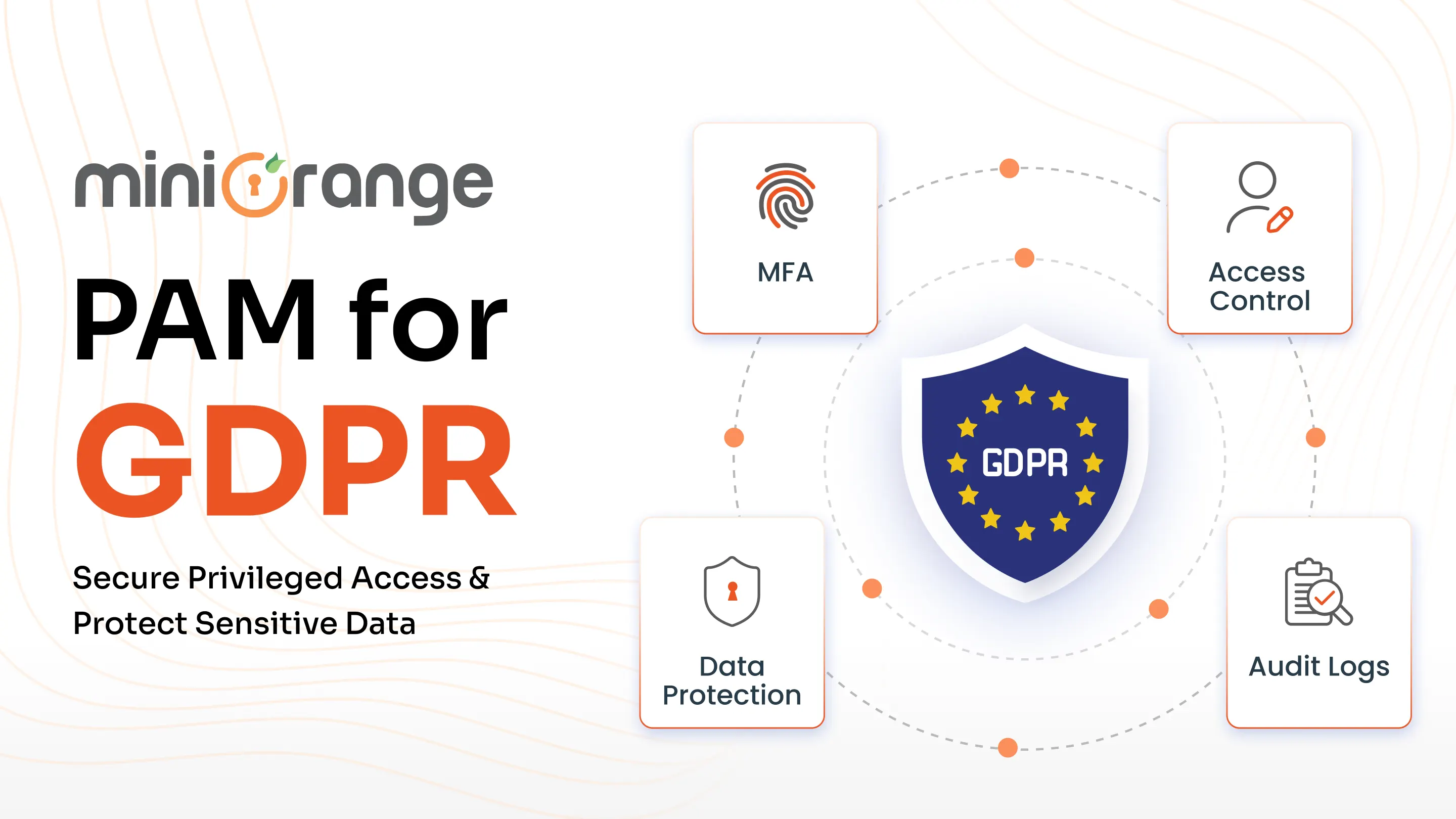
What Is GDPR and Why Does It Matter?
The General Data Protection Regulation (GDPR) is a comprehensive data protection law introduced by the European Union to safeguard personal data and privacy. It applies globally to any organization that processes data belonging to EU citizens, making it one of the most influential data protection regulations today.
GDPR is built around key principles such as data minimization, integrity, confidentiality, and accountability. Organizations are required to collect only necessary data, protect it from unauthorized access, and maintain transparency in how it is processed.
A critical aspect of GDPR is accountability. It is not enough to implement security controls. Organizations must also demonstrate that these controls are effective. This requires maintaining detailed records, audit logs, and evidence of compliance.
The penalties for non-compliance are significant. Organizations can face fines of up to 4% of their global annual revenue or €20 million, whichever is higher. Beyond financial impact, non-compliance can lead to reputational damage, loss of customer trust, and operational disruptions.
This is why GDPR compliance with PAM is gaining importance. PAM directly supports GDPR requirements by enforcing strict access controls, ensuring traceability, and providing the visibility needed for compliance reporting.
Who Needs PAM for GDPR Compliance?
Organizations Handling Large Volumes of Personal Data
Any organization processing personal data of EU residents falls under GDPR, but the risk increases significantly when large volumes of data are involved. Enterprises managing customer databases, employee records, or financial information often have multiple systems and users interacting with sensitive data. Without structured controls, access becomes difficult to track, making GDPR compliance with PAM essential for maintaining visibility and control.
Regulated Industries with High Data Sensitivity
Industries such as financial services, healthcare, SaaS, and eCommerce operate under strict data protection expectations. These sectors handle highly sensitive personal data, where even minor misuse of privileged access can lead to serious compliance violations. Implementing PAM for GDPR helps enforce strict access boundaries and ensures that sensitive data is only accessed when necessary.
Organizations with Third-Party or Vendor Access
Modern businesses often rely on external vendors, contractors, and partners who require access to internal systems. This introduces additional risk, as third-party access is harder to monitor and control. PAM ensures that such access is time-bound, monitored through session tracking, and aligned with GDPR access control requirements, reducing the chances of misuse or prolonged access.
Growing Businesses Scaling Their IT Infrastructure
As organizations grow, so does the number of systems, users, and privileged accounts. What starts as manageable access quickly becomes complex and fragmented. Without proper controls, this leads to over-provisioned access and compliance gaps. Adopting PAM early helps establish strong GDPR data security practices and ensures scalability without compromising compliance.
Why Privileged Access Is a Critical GDPR Risk Area?
Elevated Access to Sensitive Personal Data
Privileged accounts have the highest level of access within an organization’s environment. They can view, modify, and delete sensitive personal data, making them a central focus for GDPR. If these accounts are misused or compromised, the impact on GDPR data security can be severe, often resulting in reportable breaches.
Insider Threat and Misuse Risks
Not all threats originate externally. Employees, administrators, or contractors with excessive privileges may misuse access, either intentionally or unintentionally. GDPR emphasizes accountability and requires organizations to minimize such risks. PAM helps enforce strict controls and ensures that access is granted only when necessary, supporting insider threat prevention.
Lack of Visibility and Audit Challenges
Many organizations struggle to track privileged activity effectively. Without proper monitoring, it becomes difficult to answer critical questions about data access. Who accessed personal data? What actions were performed? Were those actions authorized? This lack of visibility creates challenges in meeting GDPR audit compliance, as organizations must demonstrate clear records of access and activity.
Target for Cyberattacks and Credential Theft
Privileged accounts are prime targets for attackers because they provide unrestricted access to systems. Once compromised, attackers can move laterally across the network, access sensitive data, and remain undetected. Many large-scale breaches have been linked to stolen privileged credentials, highlighting the importance of strong controls.
Increased Breach Impact and Regulatory Consequences
When privileged access is compromised, the scale of impact is significantly larger compared to standard user accounts. A single breach involving privileged credentials can expose vast amounts of personal data, leading to regulatory penalties and reputational damage. This is why implementing PAM for GDPR is critical. It reduces risk, strengthens monitoring, and ensures organizations can maintain control over privileged access at all times.
How PAM Helps Achieve GDPR Compliance
Enforcing the Principle of Least Privilege
The principle of least privilege is central to GDPR. It ensures that users have access only to the data and systems necessary for their role.
PAM enforces this by implementing role-based access control and Just-in-Time (JIT) access. Instead of granting permanent privileges, users receive temporary access only when required. Once the task is completed, access is automatically revoked.
This approach significantly reduces the attack surface and limits the exposure of personal data. It also ensures that access rights are aligned with job responsibilities, supporting personal data protection and GDPR compliance.
Securing Privileged Credentials
Poor credential management is one of the most common causes of security breaches. Shared passwords, hardcoded credentials, and a lack of rotation create vulnerabilities that attackers can exploit.
PAM addresses this by securely storing credentials in a centralized password vault. Users do not need direct access to passwords, reducing the risk of exposure. Each user is assigned a unique identity, ensuring accountability.
Automated password rotation further strengthens security by regularly updating passwords. This minimizes the chances of credential reuse or compromise and aligns with GDPR data security requirements.
Monitoring and Recording Privileged Activity
Visibility is a key requirement for GDPR audit compliance. Organizations must be able to track who accessed personal data and what actions were performed.
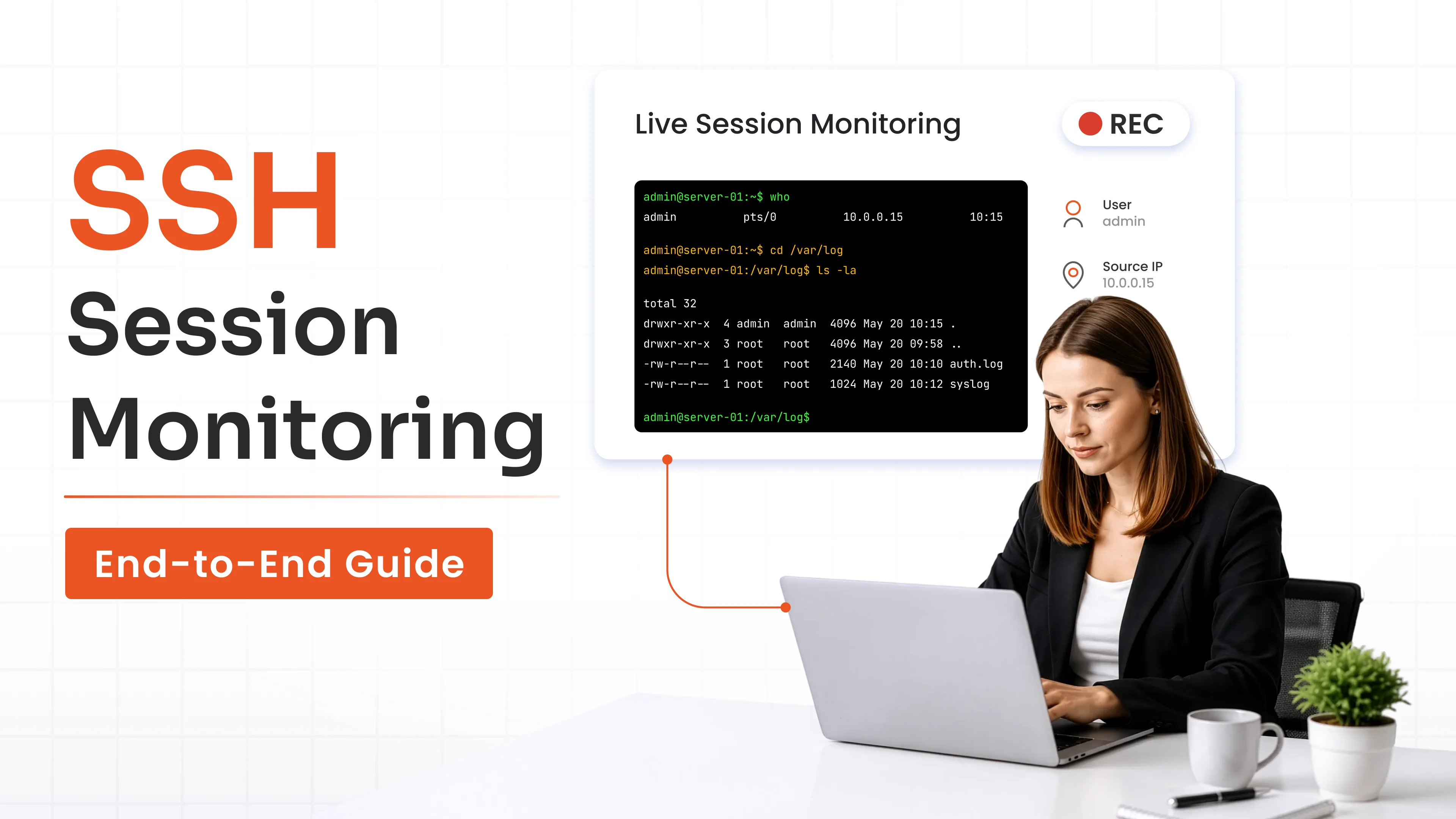
PAM provides comprehensive session recording and monitoring capabilities. Every privileged session is logged, creating a detailed audit trail that can be used for compliance reporting and forensic analysis.
Real-time monitoring also enables organizations to detect suspicious behavior as it occurs. If a user attempts to access unauthorized data or performs unusual actions, alerts can be triggered immediately.
Enforcing Strong Authentication
Authentication plays a critical role in securing access to sensitive systems. Weak authentication mechanisms increase the risk of unauthorized access and data breaches.
PAM enforces multi-factor authentication (MFA) for all privileged users. This adds an additional layer of security by requiring users to verify their identity through multiple factors.
Even if credentials are compromised, unauthorized users cannot gain access without passing additional verification steps. This strengthens GDPR access control and reduces the risk of credential-based attacks.
Automating Audit and Compliance Reporting
Compliance reporting can be complex and time-consuming, especially when done manually. PAM simplifies this process by automating audit logs and generating detailed reports. Organizations can easily track access activities and provide evidence of compliance during audits.
These reports answer critical questions such as who accessed data, when it was accessed, and what actions were performed. This makes it easier to demonstrate accountability and maintain continuous compliance with GDPR.
Real-World Example: How PAM Prevents a GDPR Breach
Consider a SaaS company managing customer data across multiple regions, including the EU.
Before implementing PAM, database administrators had persistent privileged access to production systems. Credentials were shared within teams, and there was limited visibility into who accessed sensitive customer data.
An attacker gained access to one admin credential through a phishing attack. Because there were no strong authentication controls or session monitoring, the attacker was able to access and extract customer data without being detected for days. This resulted in a GDPR reportable breach, regulatory penalties, and reputational damage.
After implementing PAM for GDPR, the organization transformed its access control model:
- Privileged access was granted only through Just-in-Time access
- Multi-factor authentication was enforced for all admin sessions
- All sessions were monitored and recorded
- Credentials were vaulted and rotated automatically
In a similar attempted attack later, the compromised credentials were useless without MFA. Additionally, unusual behavior triggered real-time alerts, allowing the security team to respond immediately.
This example highlights how privileged access to GDPR controls can significantly reduce breach risks and strengthen compliance.
Mapping GDPR Requirements to miniOrange PAM Capabilities
Data Protection and Confidentiality
GDPR requires organizations to implement measures that ensure the security and confidentiality of personal data.
miniOrange PAM supports this by enforcing strict access controls and enabling continuous session monitoring. By restricting access to authorized users and tracking their activities, organizations can protect sensitive data from unauthorized exposure.
Access Control and Identity Management
GDPR emphasizes the importance of controlling access to personal data based on user roles and responsibilities.
miniOrange PAM provides role-based access control and unique identities for each user. This eliminates shared accounts and ensures that every action can be traced back to an individual. This approach strengthens privileged access, GDPR controls, and ensures that only authorized users can access sensitive information.
Accountability and Auditability
Accountability is a core GDPR requirement. Organizations must be able to demonstrate compliance through clear records and evidence.
miniOrange PAM provides detailed audit logs and reporting capabilities. Every privileged action is recorded, creating a transparent and tamper-resistant audit trail. This helps organizations meet GDPR audit compliance requirements and respond effectively to regulatory inquiries.
Breach Prevention and Risk Reduction
GDPR requires organizations to take proactive steps to prevent data breaches and minimize risks.
miniOrange PAM enhances security through real-time monitoring, alerts, and User and Entity Behavior Analytics (UEBA). Suspicious activities can be detected early, allowing organizations to take immediate action. This proactive approach supports insider threat prevention and reduces the likelihood of breaches, ensuring stronger compliance.
How to Implement GDPR Compliance with miniOrange PAM
Achieving GDPR compliance with PAM requires more than isolated controls. miniOrange PAM provides a structured framework to help organizations implement GDPR access control, strengthen GDPR data security, and simplify GDPR audit compliance.
Discover and Manage All Privileged Accounts
The first step toward compliance is visibility. Organizations often have privileged accounts spread across servers, databases, cloud platforms, and applications. miniOrange PAM helps discover and onboard these accounts into a centralized system. This unified visibility ensures that no privileged identity goes unmanaged, reducing blind spots that can impact GDPR data security.
Enforce Least Privilege with JIT Access
GDPR emphasizes restricting access to only what is necessary. miniOrange PAM enables organizations to implement role-based access control along with Just-in-Time (JIT) access.
Instead of granting standing privileges, access is provided only when required and automatically revoked after the task is completed. This directly supports the least privilege principle and strengthens GDPR access control by minimizing unnecessary exposure to personal data.
Secure Privileged Credentials with Vaulting and Rotation
Privileged credentials are a major attack vector if not properly secured. miniOrange PAM provides a secure vault to store credentials and eliminates the need for shared passwords.
It also automates credential rotation, ensuring that passwords are regularly updated without manual intervention. This reduces the risk of credential compromise and aligns with GDPR data security expectations for protecting sensitive systems.
Enable Session Monitoring
GDPR requires organizations to maintain clear records of data access. miniOrange PAM enables session monitoring and recording for all privileged activities. Every session is tracked and logged, providing a detailed audit trail. This helps organizations meet GDPR audit compliance requirements and ensures that any suspicious activity can be investigated quickly.
Strengthen Authentication with MFA
Weak authentication remains one of the leading causes of breaches. miniOrange PAM enforces multi-factor authentication for all privileged access. This ensures that even if credentials are compromised, unauthorized users cannot gain access without additional verification. It strengthens privileged access, GDPR controls, and reduces the risk of unauthorized data exposure.
Detect and Respond to Threats
GDPR expects organizations to take proactive steps to prevent breaches. miniOrange PAM includes real-time monitoring and alerting capabilities to detect unusual behavior. If suspicious activity is identified, alerts are triggered immediately, allowing security teams to respond before a potential breach occurs. This supports insider threat prevention and reduces overall compliance risk.
Final Thoughts
Achieving GDPR compliance requires more than implementing policies. It requires strong technical controls that enforce secure access to personal data. Privileged accounts remain one of the most critical risk areas, making GDPR compliance with PAM essential for modern organizations.
miniOrange PAM provides a comprehensive solution to secure privileged access, enforce least privilege, and maintain full visibility through session monitoring and audit logs. It simplifies GDPR audit compliance, strengthens GDPR data security, and ensures that organizations can demonstrate accountability at all times.
As regulatory expectations continue to evolve and cyber threats become more sophisticated, adopting PAM is not just about meeting compliance requirements. It is about building a resilient security framework that protects sensitive data, reduces risk, and fosters trust.
FAQs
What is GDPR compliance with PAM?
GDPR compliance with PAM refers to using Privileged Access Management to control, monitor, and secure access to systems handling personal data. It helps enforce least privilege, maintain audit logs, and ensure accountability, all of which are key GDPR requirements.
How does PAM help with GDPR compliance?
PAM supports GDPR by enforcing GDPR access control, securing privileged credentials, enabling session monitoring, and generating audit-ready reports. These capabilities help organizations protect personal data and demonstrate compliance during audits.
Is PAM required for GDPR compliance?
GDPR does not mandate specific technologies, but it requires strong access control and security measures. Since privileged accounts pose the highest risk, implementing PAM for GDPR is considered a best practice for meeting these requirements.
How does PAM support GDPR Article 32?
Article 32 focuses on the security of processing, including access control and risk mitigation. PAM supports this by enforcing least privilege, securing credentials, enabling monitoring, and reducing the risk of unauthorized access to personal data.
Can PAM prevent insider threats?
Yes, PAM helps reduce insider threats by limiting access, monitoring user activity, and recording sessions. This ensures that any misuse of privileged access can be detected and addressed quickly, supporting insider threat prevention.
What is the role of least privilege in GDPR?
The least privilege principle ensures users only have access to the data necessary for their role. This minimizes exposure of personal data and is a key component of GDPR data security and compliance.
Leave a Comment