

IT teams need administrator access to critical resources like servers, databases, and web applications. Sharing passwords is risky, as they are often reused or copy-pasted in the wrong places. Also, managing credentials manually leaves room for error regardless of how careful you are.
To address this gap, a PAM solution with its privileged password management capabilities supplies credentials directly to supported login flows or connections. Users get access without seeing or handling the actual passwords.
This approach is known as credential injection, and it reduces the risk of exposure. Let’s take a deep dive into how it works and where it fits into your PAM strategy.
What Is Credential Injection?
Credential injection is an automated PAM capability that retrieves stored credentials from a secure credential vault and injects them directly into a target session or login interface without exposing them to the end user or workload.
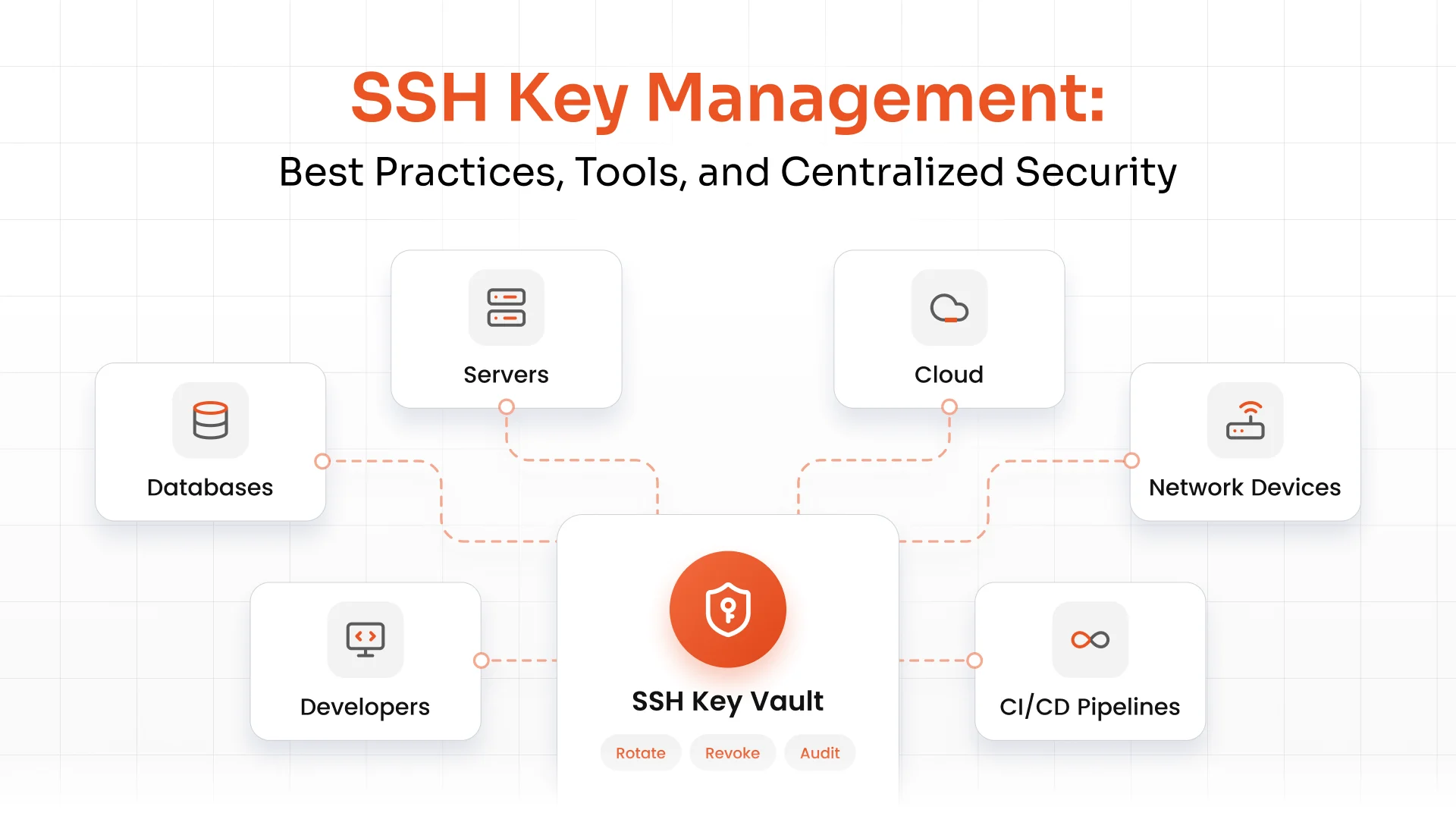
The credential vault encrypts high-value secrets, such as root passwords, domain administrator passwords, SSH keys, and API tokens. When the user requests access, the PAM platform validates their identity, pulls the credential from the vault, and inserts it into the authentication handshake.
The user gains access without needing to know or manually enter the privileged password.
Credential injection also supports better credential management by separating permission to use a resource from permission to know its password.
How Does Credential Injection Work?
To understand the end-to-end flow, let’s break down how credential injection works across a typical PAM session:
1. User Authentication
The user successfully signs in to the PAM platform using their corporate credentials and requests access to an authorized resource.
2. Access Validation
The PAM solution evaluates your request against predefined access policies. It checks your permissions, the requested resource, and applicable request conditions. If additional approval is required, it routes the request to the designated approver before granting access.
3. Credential Retrieval
Once access is authorized, the PAM solution retrieves the required credentials from its protected vault. The user does not need to retrieve the password manually.
4. Credential Injection
The PAM gateway establishes the connection to the target system. It automatically injects the vault credentials directly into the protocol authentication flow without the user having to manually view or enter them.
5. Session Oversight
Once authenticated, PAM monitors and records the session. When the session is over, the credential can be automatically rotated.
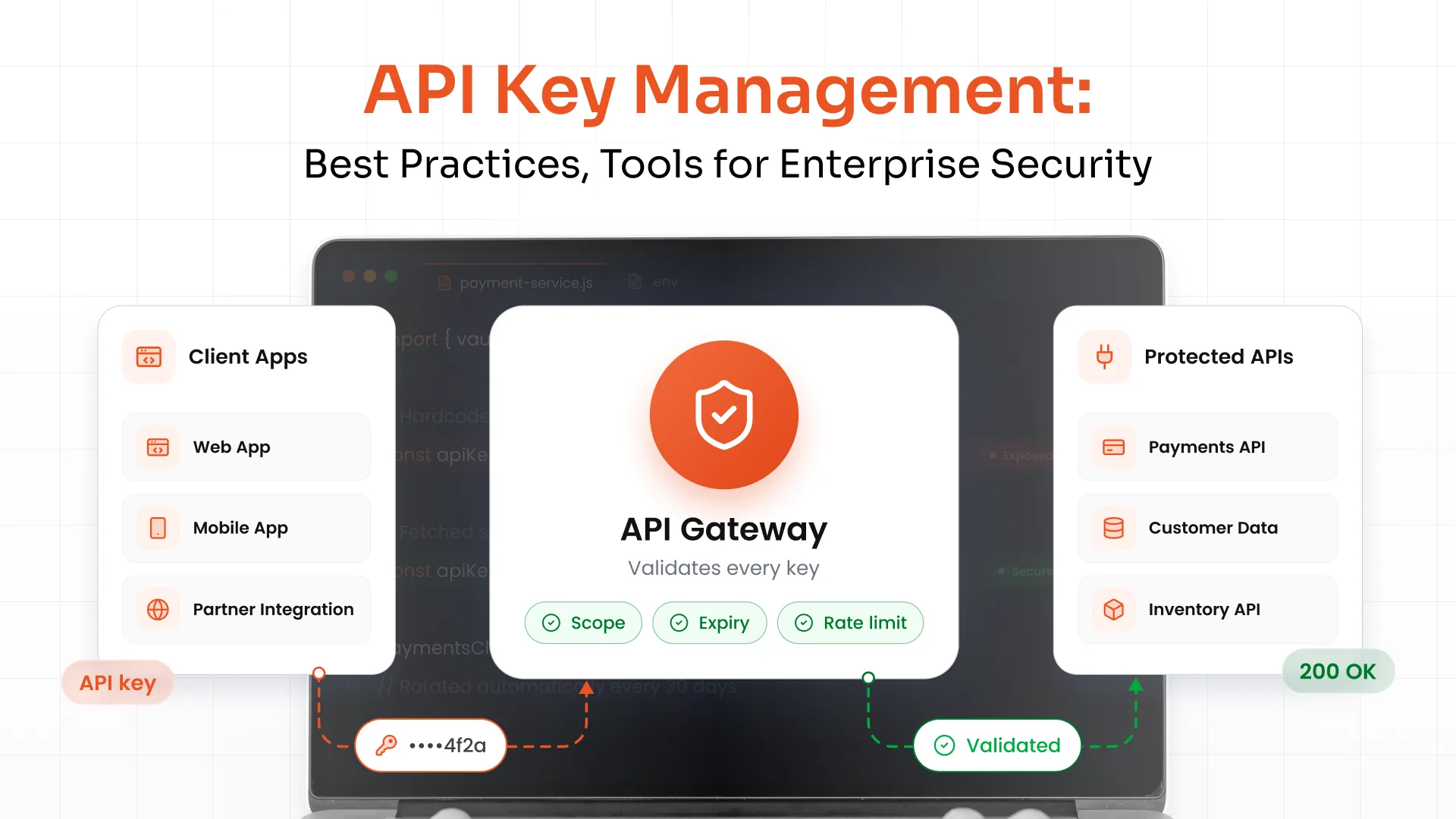
The application-to-application workflow must authenticate the requesting application and restrict which secrets it can retrieve. Simply moving a password out of source code does not guarantee secure access.
This is where secrets management becomes important. It gives organizations a way to manage sensitive application credentials while reducing the risks associated with hardcoded and manually managed secrets.
How Does Runtime and Just-in-Time Credential Injection Work?
Runtime credential injection and just-in-time (JIT) credential injection supply credentials when a supported application, process, or connection needs them. JIT privileged access grants access for an approved task or a defined period, helping reduce unnecessary standing access.
When the authorized period ends, the access grant can expire according to the configured policy. Credential rotation is a separate control that can update the password or secret after checkout, after retrieval, on a schedule, or following another supported policy-defined event.
All of this works alongside credential rotation, session monitoring, and audit logging.
Why Credential Injection Is Important in PAM
Credential injection is a core defensive measure that helps teams follow the best practices for password management. It transforms how organizations control and audit privileged accounts.
Reduces Privileged Password Exposure
It is only human to write passwords on sticky notes, paste them into Slack, or reuse them across systems. Credential injection prevents this, as users never see the passwords. It eliminates accidental exposure and curbs secret sprawl across team endpoints and shared drives.
This is particularly useful when multiple administrators need access to a shared privileged account.
Reduces Manual Credential Handling
Manually retrieving, copying, pasting, and entering credentials create vulnerabilities. Credential injection automates this process. Users request a connection, and the PAM solution handles the associated credentials.
You can also apply consistent access procedures rather than relying on users to follow individual password-sharing practices.
Supports Centralized Credential Management
You can manage credentials alongside access policies and rotation procedures in one centralized PAM platform. You can also limit which users or applications can access specific secrets with granular permissions.
For example, an application administrator may need access to one application account but not the credentials for every production server.
Complements Session Monitoring and Access Controls
Hiding a password does not protect you if an authorized user behaves maliciously once inside. This is why credential injection works alongside session recording, command filtering, and the ability to terminate sessions.
With privileged session management, you can monitor sessions and retain an audit trail for compliance.
Use Cases of Credential Injection
Credential injection is useful across a range of IT, DevOps, and cloud environments.
Server and Remote Desktop Access
Managing remote administrative sessions across Windows and Linux fleets often involves shared domain or local admin accounts. With credential injection, your engineers select a target server from a dashboard.
The PAM gateway retrieves the vaulted credentials and uses them to establish a proxied SSH or RDP session. Engineers can access the server without needing to handle the underlying passwords or private keys.
Web Application Access
Cloud management consoles (AWS, Azure, GCP), internal IT dashboards, and critical SaaS portals frequently require shared administrative logins. Credential injection allows administrators to access these web consoles through supported browser gateways or secure extensions.
The system fills in multi-field login screens automatically. Users gain access to critical panels without seeing the passwords.
Database and Network Device Access
Database administrators and network engineers interact with production databases (PostgreSQL, MySQL, Oracle) and network equipment (switches, routers, firewalls).
For supported database connections, the PAM solution retrieves and uses vaulted credentials to establish the session. Similar workflows can be used for network devices when the device and connection method are supported.
Application-to-Application Authentication
Applications, microservices, and CI/CD tools regularly communicate with backend APIs and databases.
Instead of leaving long-lived tokens in repository configuration files, use application password management. Automation pipelines retrieve secrets through secure API calls when jobs run, allowing services to authenticate without human intervention.
How Does miniOrange PAM Support Credential Injection?
miniOrange PAM provides an enterprise-grade platform designed to secure, monitor, and streamline privileged access across hybrid IT infrastructures.
miniOrange delivers a comprehensive approach to privileged account management:
- Centralized credential vault to manage privileged credentials from a single dashboard.
- Browser-based access to supported web applications.
- Credential management and real-time monitoring for SSH, RDP, and database connections.
- Session management to monitor active connections, record session activity and commands, and pause, restrict, or terminate risky sessions.
- Time-bound access, request-approval workflows, and multi-factor authentication.
miniOrange Privileged Password Management helps keep privileged credentials hidden from users during supported access workflows while allowing authorized teams to access the resources they need.
FAQs
1. Is credential injection the same as single sign-on (SSO)?
No. SSO uses an identity provider to authenticate users across applications. Credential injection supplies stored credentials to a supported login flow. They can complement each other.
2. Can credential injection work with legacy applications?
Yes, when the PAM solution supports the application's login mechanism. Unsupported authentication flows may require a different access method.
3. Does credential injection replace multifactor authentication (MFA)?
No. MFA adds identity verification, while credential injection handles credential delivery. They address different security requirements.
4. What happens when an injected password changes?
The stored credential and target account must remain synchronized. A properly configured rotation process should update the password and verify that access continues to work.
5. What should you check before deploying credential injection?
Verify application compatibility, access permissions, credential rotation, session controls, and audit logging. Test the configuration with a limited set of resources before expanding deployment.
Leave a Comment