
Identity and Access Management (IAM) helps organizations manage digital identities and control access to applications, systems, and data.
The key IAM features include Single Sign-On (SSO), Multi-Factor Authentication (MFA), Role-Based Access Control (RBAC), user provisioning and deprovisioning, password management, identity federation, adaptive authentication, audit logs, and application integrations.
These identity and access management features help organizations strengthen security, simplify access management, improve productivity, and support compliance.
What Are the Key Features of IAM?
The main features of IAM include:
- Single Sign-On (SSO): Allows users to access multiple applications with one login.
- Multi-Factor Authentication (MFA): Adds additional verification to protect user accounts.
- Role-Based Access Control (RBAC): Assigns access based on a user's role and responsibilities.
- User Provisioning and Deprovisioning: Automates granting, updating, and removing user access.
- Password Management: Helps users securely manage and reset passwords.
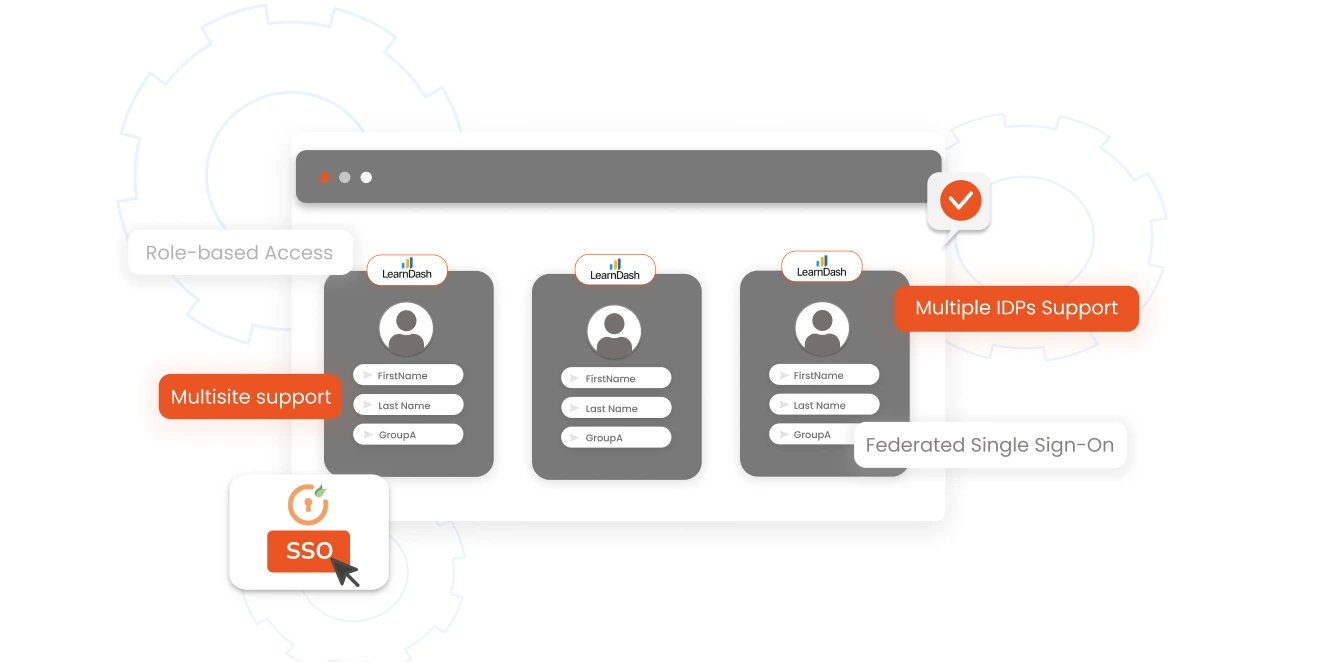
- Identity Federation: Allows users to access multiple systems with a trusted identity.
- Adaptive Authentication: Adjusts authentication requirements based on login risk.
- Audit Logs and Reporting: Tracks access and user activity for visibility and compliance.
- Third-Party Application Integration: Connects IAM with cloud, SaaS, and on-premise applications.
Single Sign-On (SSO)
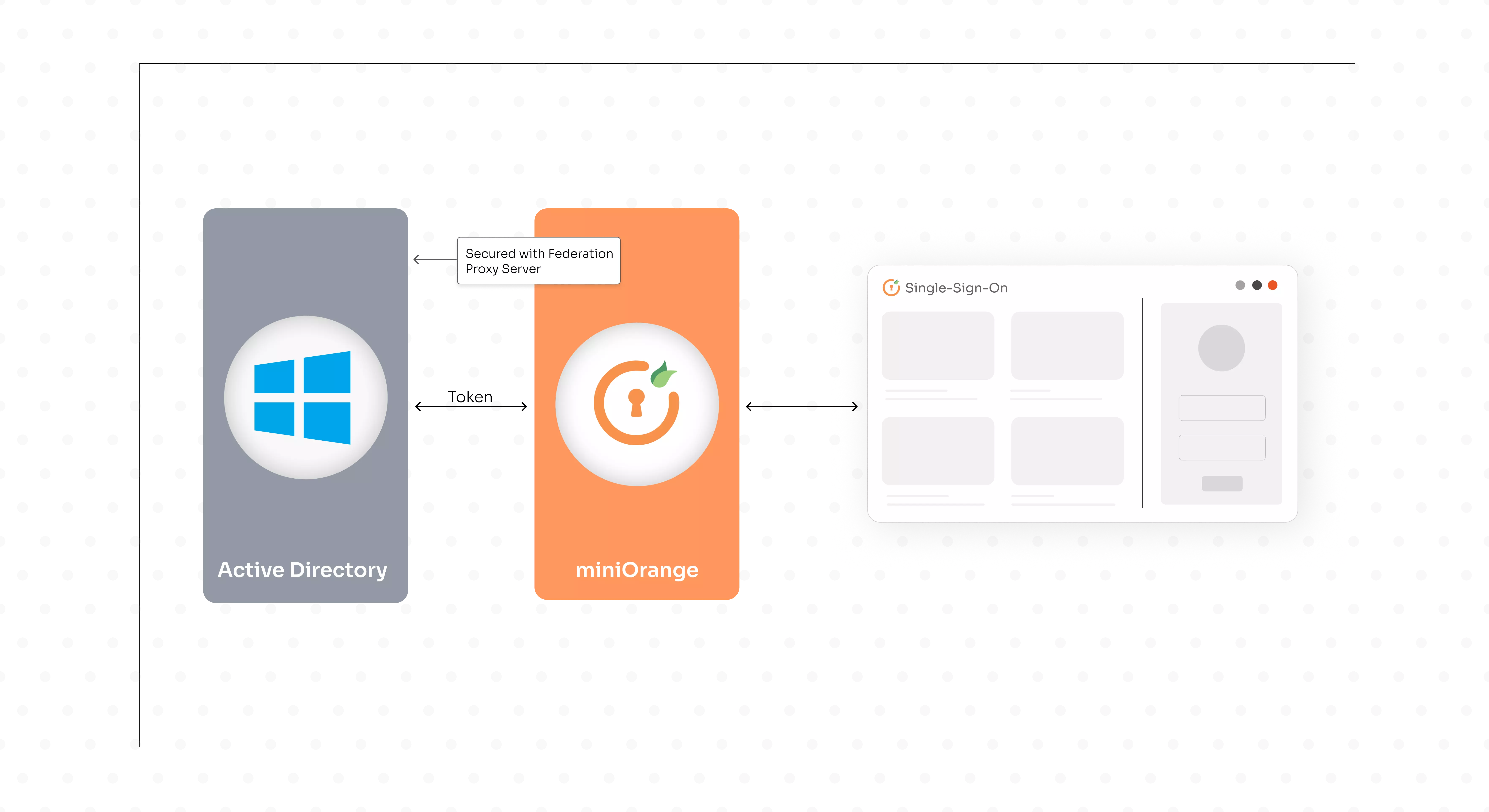
Single Sign-On (SSO) allows users to access multiple applications with one set of login credentials. After authenticating once, users can access connected applications without logging in again.
SSO simplifies application access while allowing organizations to centralize authentication policies.
Key SSO capabilities include:
- Supports protocols such as SAML, OAuth, OpenID Connect, and JWT.
- Reduces the number of passwords users need to manage.
- Helps reduce risks associated with stolen or reused credentials.
- Centralizes authentication across applications.
Learn more about SAML Single Sign-On for secure application access.
Multi-Factor Authentication (MFA)
Multi-Factor Authentication (MFA) requires users to verify their identity using two or more authentication factors.
MFA adds another layer of security and helps protect accounts even when passwords are compromised.
Common authentication factors include:
- Something you know: A password or PIN.
- Something you have: A phone, security key, or authenticator app.
- Something you are: A fingerprint, face scan, or other biometric factor.
Key MFA capabilities include:
- Adaptive MFA that adjusts authentication based on risk.
- Protection against phishing, credential theft, and brute-force attacks.
- Support for security and compliance requirements.
Explore IAM compliance solutions to learn more about supporting regulatory requirements.
Role-Based Access Control (RBAC)
Role-Based Access Control (RBAC) assigns permissions based on a user's role and responsibilities.
For example, an administrator may need access to systems that a regular employee does not. RBAC helps ensure users receive the access they need without unnecessary permissions.
Key RBAC capabilities include:
- Uses predefined roles and permissions to manage access.
- Supports the principle of least privilege.
- Reduces the risk of unauthorized access and insider threats.
- Simplifies access management for large teams.
- Makes it easier to manage access as roles change.
User Provisioning and Deprovisioning
User provisioning and deprovisioning automates the process of creating, updating, and removing user accounts and access.
When an employee joins, provisioning gives them access to the applications they need. When they leave, deprovisioning removes that access.
Key capabilities include:
- Automates identity lifecycle management.
- Integrates with directories such as Active Directory.
- Synchronizes employee information with HR systems.
- Speeds up onboarding and offboarding.
- Removes access promptly when employees leave.
- Reduces manual work and human errors.
Password Management
Password Management helps organizations enforce password policies and gives users secure tools to manage their passwords.
Key password management capabilities include:
- Enforces password complexity and expiration policies.
- Provides secure self-service password resets.
- Helps prevent weak and reused passwords.
- Reduces password-related IT support requests.
Identity Federation
Identity federation services establish trust between identity providers and applications.
Identity federation allows users to use a trusted identity to access different systems without maintaining separate credentials for each one.
Key identity federation capabilities include:
- Establishes trust between multiple identity providers, such as Google and Microsoft Entra ID.
- Supports standards such as SAML, OAuth, and OpenID Connect.
- Simplifies authentication across hybrid and multi-cloud environments.
- Reduces the need to manage multiple user identities and credentials.
Adaptive Authentication
Adaptive Authentication, also known as Risk-Based Authentication (RBA), adjusts authentication requirements based on the risk of a login attempt.
It evaluates signals such as location, device, IP address, user behavior, and time of access. Higher-risk attempts can trigger additional verification, while familiar and low-risk logins can require fewer authentication steps.
Key adaptive authentication capabilities include:
- Uses contextual information to assess login risk.
- Applies additional verification when risk is high.
- Reduces unnecessary authentication friction.
- Helps protect against suspicious login attempts.
Audit Logs and Reporting
Audit logs and reporting provide visibility into user access and activity. They record events such as login attempts, access changes, and other system activities.
This information helps organizations investigate security events, identify unusual activity, maintain accountability, and support compliance requirements.
Key capabilities include:
- Records user access attempts and system events.
- Tracks changes to accounts and permissions.
- Integrates with SIEM tools for security analysis.
- Generates reports to support standards such as GDPR, ISO 27001, and SOC 2.
Third-Party Application Integration
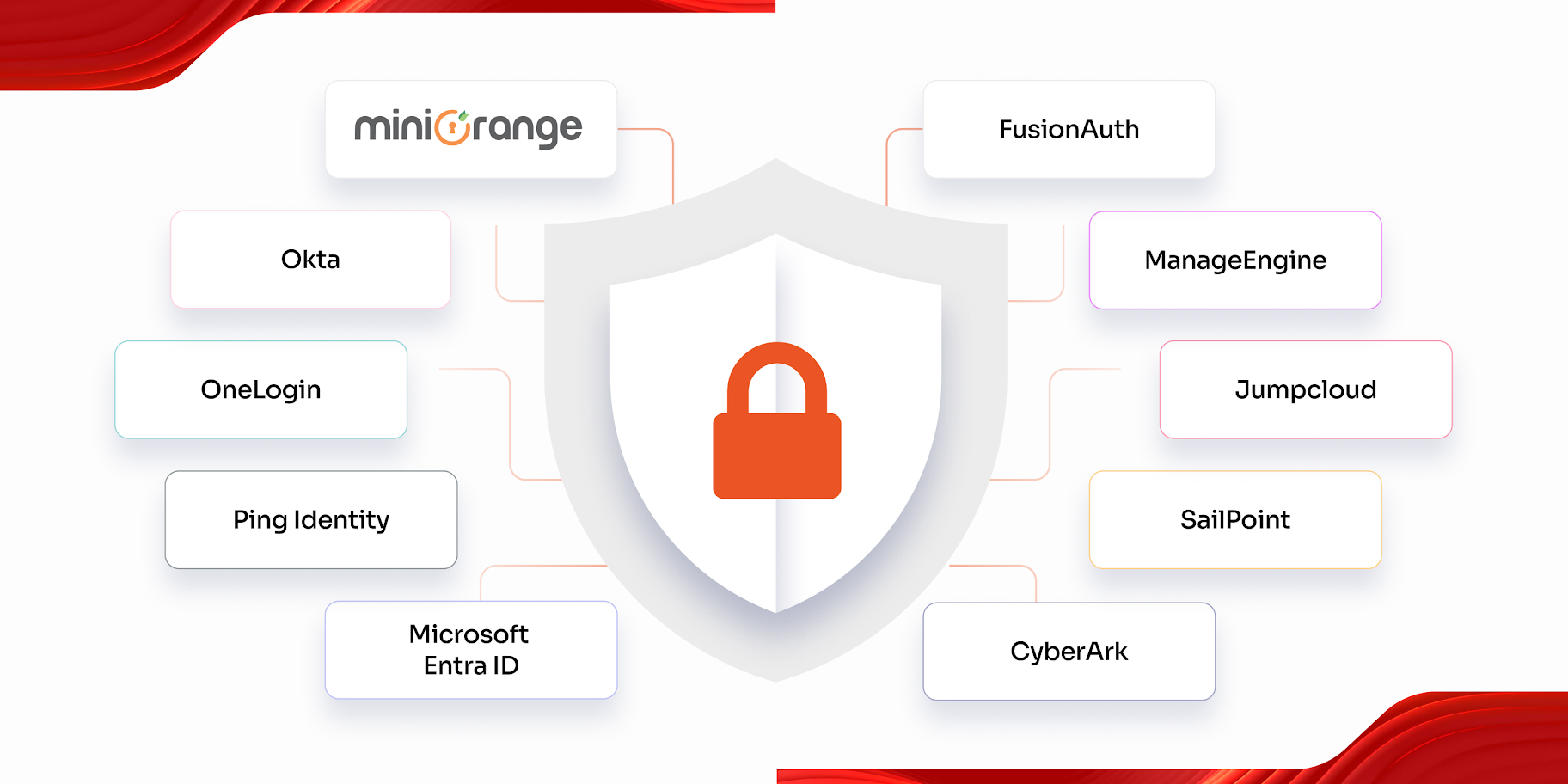
IAM integrations allow IAM systems to connect with applications and infrastructure across an organization's environment.
A modern IAM solution should work with cloud applications, SaaS platforms, on-premise systems, directories, and other business applications.
Key integration capabilities include:
- Supports cloud, SaaS, and on-premise environments.
- Connects IAM with commonly used business applications.
- Supports integrations through APIs and connectors.
- Helps maintain consistent access policies across applications.
What Are the Benefits of Identity and Access Management?
The main identity and access management benefits are stronger security, easier access management, improved productivity, and better compliance.
IAM can help organizations:
- Strengthen security: Protect accounts with stronger authentication and access controls.
- Reduce unauthorized access: Give users only the access they need.
- Improve productivity: Provide faster and easier access to applications.
- Automate identity management: Simplify onboarding, role changes, and offboarding.
- Reduce IT workload: Automate repetitive identity and access management tasks.
- Support compliance: Maintain access records and provide audit information.
- Scale access management: Manage growing numbers of users, applications, and systems.
How to Choose the Right IAM Features for Your Business
The right IAM capabilities depend on your users, applications, security requirements, and IT environment. Consider these factors when evaluating an IAM solution:
1. Authentication and Access Control
Look for essential capabilities such as SSO, MFA, RBAC, and adaptive authentication to secure user access.
2. Identity Lifecycle Management
Check whether the solution can automate user provisioning, deprovisioning, and access changes throughout the identity lifecycle.
3. Integration Support
Make sure the IAM solution integrates with your existing directories, databases, cloud platforms, SaaS applications, and on-premise systems.
4. Security and Compliance
Look for capabilities such as access controls, authentication policies, audit logs, reporting, and compliance support.
5. Scalability and Administration
Choose an IAM solution that can support growing numbers of users, applications, and systems without adding unnecessary management complexity.
Conclusion
IAM provides the capabilities organizations need to manage identities and control access across their digital environment. Features such as SSO, MFA, RBAC, user provisioning, password management, identity federation, adaptive authentication, audit logs, and application integrations address different identity and access management requirements.
The right combination of IAM features can help businesses strengthen security, simplify access management, improve productivity, and support compliance.
miniOrange IAM provides IAM capabilities for managing authentication, identities, access, and applications across enterprise environments.
FAQs
What are the key features of identity management?
The key features of identity management include user provisioning and deprovisioning, authentication, authorization, access control, password management, identity lifecycle management, and audit reporting.
What are the benefits of identity and access management?
The benefits of identity and access management include stronger security, reduced unauthorized access, easier user management, automated onboarding and offboarding, lower IT workload, improved compliance, and better productivity.
What should I look for in an IAM solution?
Look for an IAM solution that supports your authentication, access control, identity lifecycle, integration, security, reporting, and compliance requirements. Scalability and ease of integration are also important.
Leave a Comment