

AI agents are no longer just answering queries or summarizing documents. They are booking meetings, pulling customer data, triggering workflows, and even making decisions across systems.
And they don’t ask for permission every time. That’s where the real problem starts.
Because once an AI agent is connected to your tools, APIs, and internal systems, the question isn’t what it can do, it’s what it should be allowed to do.
Give it broad access, and a single bad prompt or misstep can expose sensitive data, trigger unintended actions, or quietly create risk you won’t notice until it’s too late.
This is exactly why least privilege for AI agents is becoming a core security requirement in 2026. It’s not about limiting capability. It’s about controlling it with precision. As organizations adopt autonomous systems at scale, PAM for AI agents is emerging as a critical control layer for enforcing task-scoped access, just-in-time permissions, and continuous governance for AI agents.
What is Least Privilege for AI Agents?
Least privilege for AI agents means granting only the minimum access required to complete a specific task. Nothing more, and nothing persistent.
It builds on the principle of least privilege (PoLP), where access is limited to what’s necessary. But in AI environments, this can’t be static.
AI agents switch tasks frequently, interact with multiple systems, and act based on prompts and context.
So the least privilege principle for AI agents has to be dynamic.
In practice, access becomes task-based, where permissions change based on what the agent is doing, time-bound, where access expires after the task, and identity-driven, where every action is tied to a defined identity.
An AI agent can perform multiple actions across systems in seconds. If access is too broad, the risk spreads just as fast.
Why Least Privilege is Critical for AI Security?
AI doesn’t introduce entirely new risks. It amplifies the ones that already exist. When access control is weak, even small gaps can turn into serious security issues. Here are the key reasons why least privilege for AI agents is critical for AI security:
1. The Supercharged Insider Problem
An over-permissioned AI agent behaves like an insider with far more access than it actually needs. The difference is that it operates at speed and scale. It does not pause, question intent, or validate context. It simply executes.
If something goes wrong, whether it is a flawed prompt, a misconfiguration, or a compromise, the impact spreads quickly across systems. What might have been a contained issue in a traditional setup can escalate within seconds when an AI agent has broad access.
2. Prompt Injection Is Not Just About Responses
Prompt injection is often seen as a way to manipulate what an AI says. In reality, the bigger concern is what the AI is allowed to do.
When an AI agent has access to internal documents, customer databases, or financial systems, a carefully crafted input can push it to retrieve or act on data it should not touch. The risk is not just incorrect output, but unintended actions.
This is where least privilege for AI agents becomes important. Even if the agent is influenced by a malicious or misleading prompt, its ability to act is restricted by the access it has been given.
3. Over-Permissioned APIs Increase Exposure
AI agents rarely operate in isolation. They depend on APIs to interact with different tools, fetch data, and trigger workflows. The problem is that many APIs are designed with broad permissions for convenience.
When an AI agent connects to these APIs, it inherits that wide access. As a result, a task that should have been limited in scope can end up affecting multiple systems.
Without proper control, this creates a situation where small actions can have much larger consequences than intended.
4. Data Exposure Often Goes Unnoticed
AI agents do not break into systems in the traditional sense. They work within the access they are given. They retrieve data, process it, and generate outputs.
If that access is not tightly controlled, sensitive information can surface in responses, logs, or downstream workflows without raising immediate alarms. There is no obvious breach, just gradual and often unnoticed exposure.
This is why AI security access control needs to treat AI agents as real identities with defined permissions and clear boundaries, rather than as background processes or temporary scripts.
Features of Least Privilege in AI Agents
Unlike traditional access control, AI environments need flexibility without losing control, because agents are constantly switching tasks and interacting with different systems. Here are some of the key features of least privilege for AI agents:
- Task-Scoped Permissions: Access is defined around the task, not assigned permanently to the agent. A research agent analyzing documents, for example, only needs read access and nothing beyond that. This approach ensures the agent gets exactly what it needs for that moment, reducing unnecessary exposure.
- Identity and User-Delegated Access: Treating AI agents as identities instead of using shared credentials brings clarity and control. Permissions are tied to the user or system initiating the task, which makes every action traceable. This creates accountability and forms the foundation of AI agent identity governance.
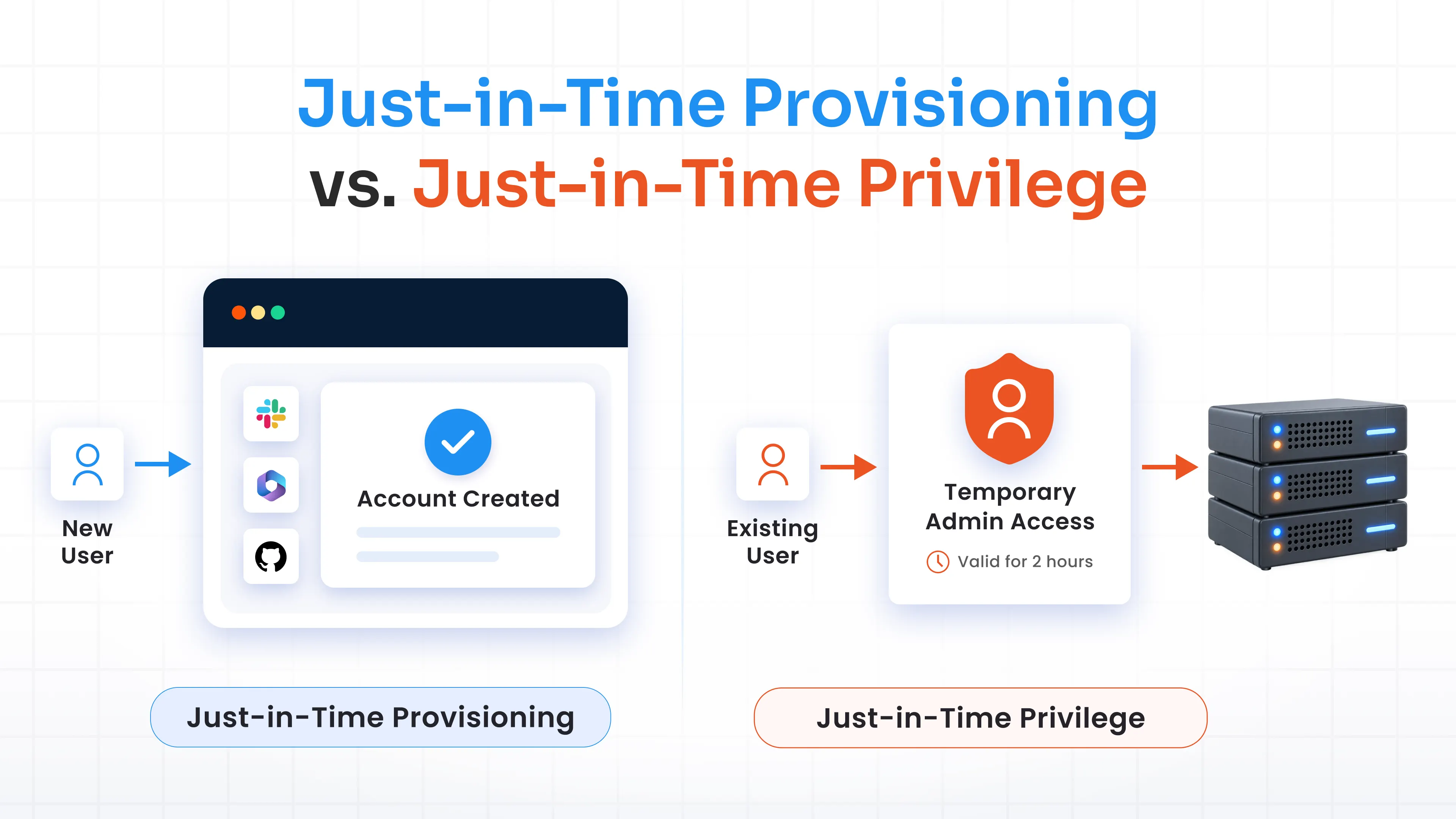
- Just-in-Time (JIT) Access: Permanent access creates long-term risk, especially in dynamic AI environments. With Just-in-Time access, permissions are granted only when needed and automatically revoked once the task is complete. This reduces the window of exposure and supports zero standing privileges in AI.
- Policy Enforcement Layer: Access decisions should be driven by policies rather than hardcoded rules. These policies take into account identity, context, task type, and risk level before allowing any action. This makes access control adaptive and consistent, which is essential for managing autonomous systems.
How Least Privilege Works in AI Agents?
Implementing least privilege for AI agents is not a one-time setup. It’s an ongoing system that evolves as agents, tasks, and environments change.
It requires continuous visibility, control, and adjustment to ensure access always stays aligned with what the agent actually needs. Here’s what that looks like in practice:
1. Discover and Classify Sensitive Data
Before you control access, you need clarity on what you’re protecting. AI agents often interact with multiple systems, and not all data carries the same level of risk. Identifying sensitive data helps define where strict controls are required and where flexibility is acceptable.
This typically includes:
- Personal data (PII)
- Financial records
- Healthcare information (PHI)
- Internal intellectual property
Once identified, you map how this data flows across your environment. This means understanding:
- Which systems store or process this data
- Which AI agents or tools can access it
This step creates the foundation for AI security access control, ensuring that policies are built around actual data sensitivity, not assumptions.
2. Remove Excessive and Unused Access
Most systems already have permission sprawl, and AI agents inherit that complexity. Over time, users and roles accumulate access that is no longer needed, creating unnecessary risk.
Before adding new controls, it’s important to clean up what already exists. This involves:
- Identifying over-permissioned roles and accounts
- Removing unused or stale access
- Breaking down broad permissions into more specific scopes
This step reduces the attack surface immediately. It also makes it easier to enforce least privilege later, since you’re working with a cleaner and more controlled environment.
3. Enforce Task-Scoped and Just-in-Time Access
Once the environment is cleaned up, the focus shifts to controlling how access is granted. Instead of giving AI agents persistent permissions, access is limited to what is required for a specific task.
In practice, this means:
- Permissions are temporary and expire after execution
- Access is granted based on the task being performed
- Scope is limited to only the required systems or data
This is how applying least privilege to autonomous AI agents becomes effective. Instead of full API access, agents receive a narrow, time-bound window to perform a specific action. This reduces the risk of misuse and limits the impact of any compromise.
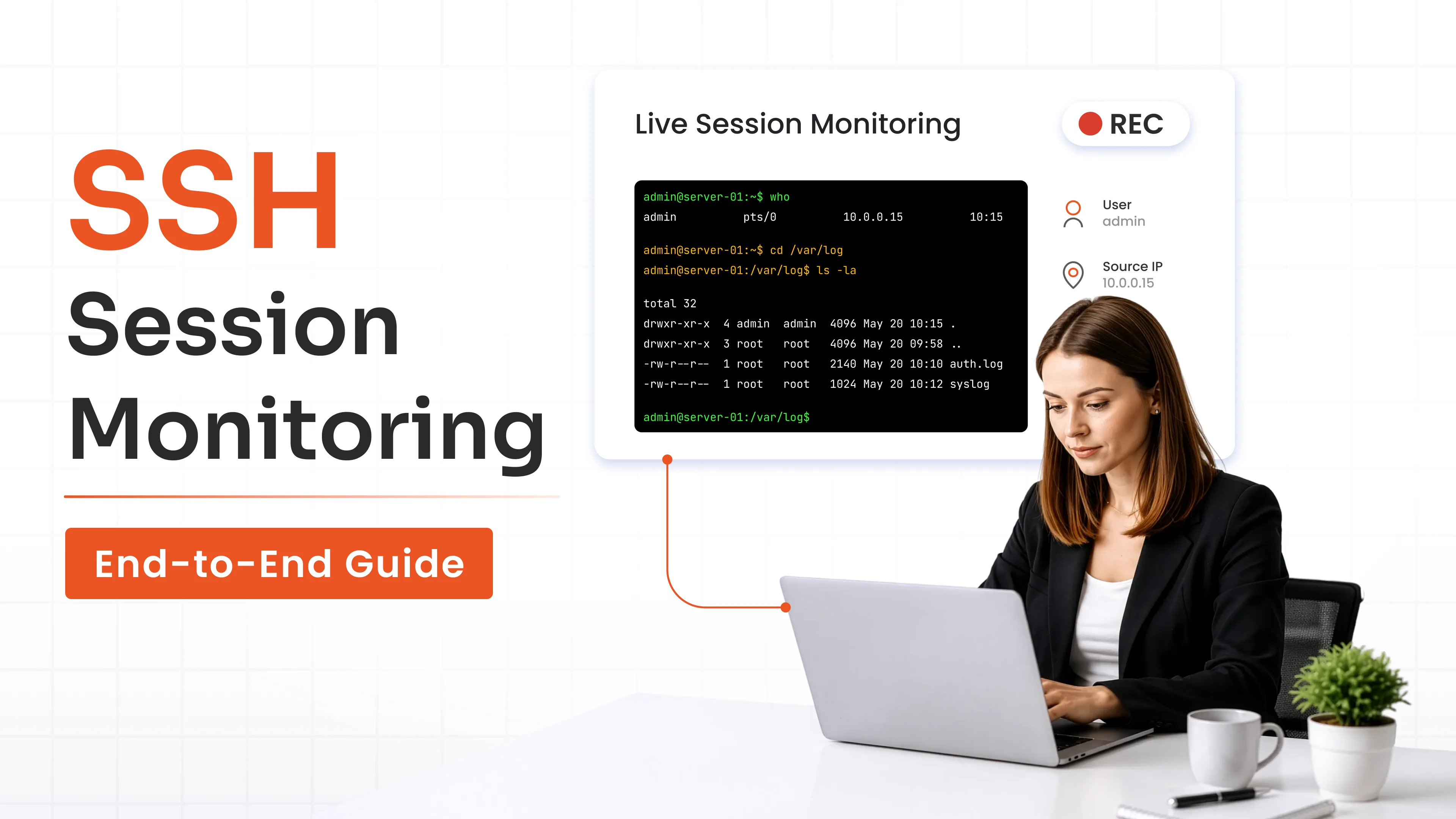
4. Monitor AI Activity in Real Time
AI agents operate quickly, so visibility has to keep pace. Without monitoring, it’s difficult to detect when something goes wrong or when an agent behaves outside its intended scope.
To maintain control session monitoring is crucial, you need to track:
- The prompts being executed
- The tools and APIs being used
- The data being accessed
- The outputs being generated
With behavioral analytics, you can:
- Detect unusual or unexpected activity
- Identify policy violations
- Stop risky actions while they are happening
This level of monitoring ensures that even if something slips through, it can be caught and controlled before it escalates.
5. Enable Continuous Access Governance
Access control in AI environments cannot remain static. Agents evolve, tasks change, and systems are constantly updated. Permissions that were appropriate yesterday may not be suitable today.
Continuous governance ensures access remains aligned with risk. This includes:
- Regularly reviewing and adjusting permissions
- Enforcing policies dynamically at runtime
- Maintaining compliance without slowing down operations
This is where PAM for AI agents becomes critical. It provides the structure needed to manage access consistently, even as environments grow more complex.
Real-World Use Cases of Least Privilege in AI Agents
Most teams don’t struggle with using AI agents. They struggle with controlling them. Once an agent is connected to your systems, unrestricted access quickly becomes the real risk. Here are some real-world use cases of least privilege for AI agents:
Customer Support AI
Customer support AI agents are connected to CRM systems to retrieve customer details and resolve queries. With least privilege in place, their access is limited to only the data required for that specific interaction, usually in a read-only format. They are not allowed to access billing systems or make account-level changes, even if those systems are integrated. This ensures the agent can assist effectively without having the ability to modify sensitive information or trigger unintended actions.
Finance AI
Finance AI agents are used to analyze financial data, generate reports, and support planning decisions. Under a least privilege model, they are restricted from executing transactions or making direct changes to financial systems. Any high-risk action, such as approving payments or transferring funds, requires explicit human approval. This keeps financial control intact while still allowing automation to improve visibility and efficiency.
DevOps AI
DevOps AI agents help monitor infrastructure, detect anomalies, and suggest fixes. Their access is scoped to observation and recommendation rather than direct execution. They cannot deploy changes or interact freely with production systems without validation. This reduces the risk of outages or misconfigurations while still enabling faster response to issues.
Healthcare AI
Healthcare AI agents handle sensitive patient data for tasks like record retrieval or clinical support. Least privilege ensures they only access the minimum data required for each request. All interactions are tightly controlled, logged, and aligned with compliance standards like HIPAA. This protects patient privacy while still enabling efficient workflows.
HR AI
HR AI agents assist with employee queries, onboarding, and internal workflows. Their access is limited to viewing or processing specific employee data required for the task. They are not allowed to modify sensitive records such as salary details or trigger payroll actions. This ensures that critical HR decisions remain controlled and secure.
Sales AI
Sales AI agents analyze pipelines, track leads, and generate performance insights. Their access is restricted to sales-related systems and relevant datasets. They cannot access financial systems, contracts, or sensitive backend data. This separation ensures that while sales teams benefit from automation, critical business information remains protected.
Legal AI
Legal AI tools are used to review contracts, extract clauses, and assist with compliance checks. With least privilege applied, they are given read-only access to specific documents relevant to the task. They cannot edit, approve, or finalize agreements, ensuring that legal control remains with authorized personnel. This allows teams to use AI for efficiency without risking unauthorized changes.
How miniOrange PAM Enables Least Privilege for AI Agents?
Managing privileged access for AI agents gets complicated fast. They interact with multiple systems, switch tasks frequently, and often need access that changes in real time. Trying to control all of this manually or with static roles just doesn’t work.
You either end up over-permissioning agents for convenience or constantly chasing access issues.
This is where you need an identity layer.
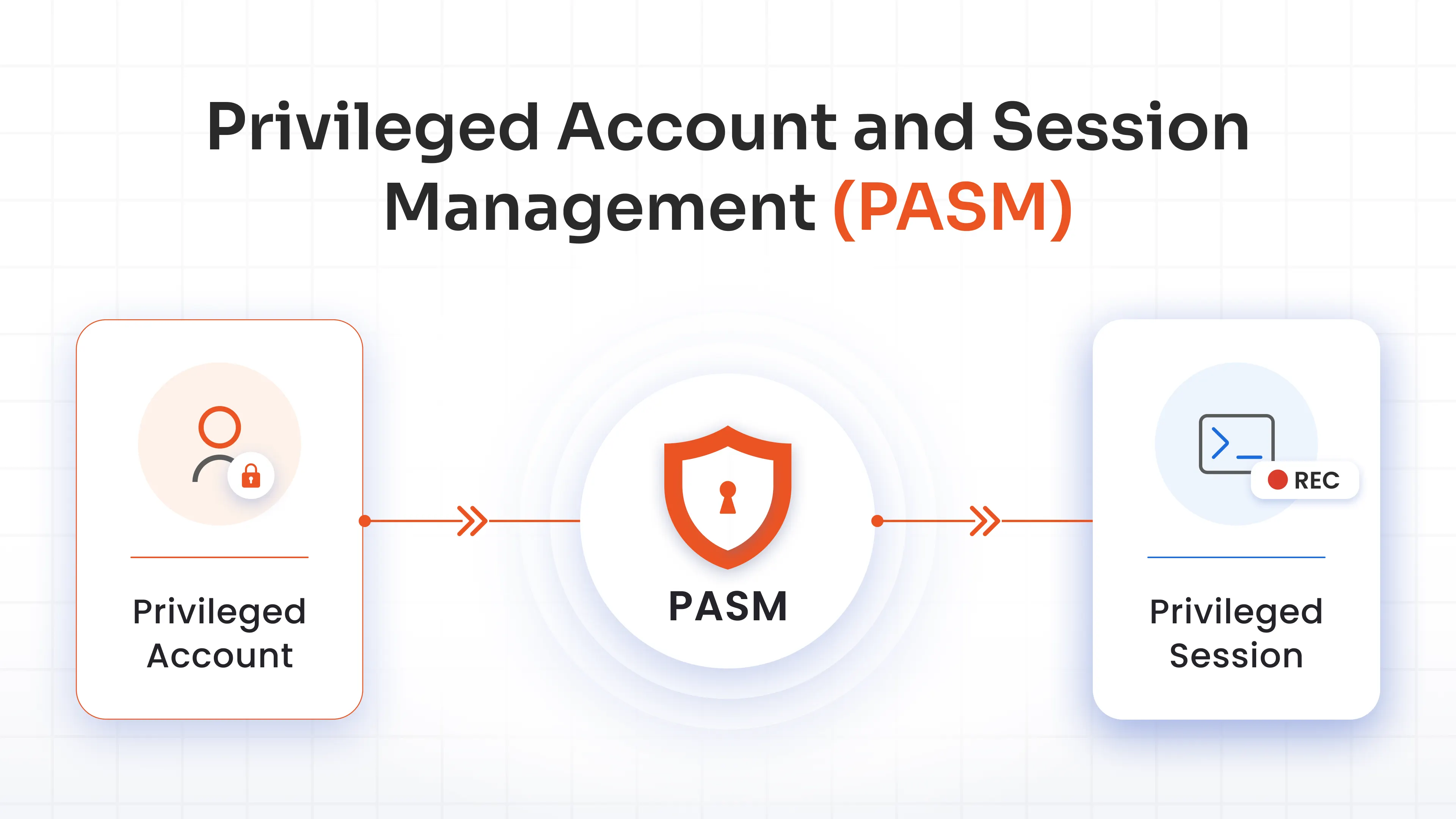
miniOrange provides an Identity centric PAM platform that helps manage identities, enforce access policies, and control how AI agents interact with systems. It brings structure to how access is granted, used, and monitored across environments.
Here’s how miniOrange PAM helps enable least privilege for AI agents:
- Policy-Based Access Control: miniOrange lets you define access through policies instead of fixed roles. This makes it easier to control access based on identity, context, and the task being performed. As a result, permissions become more precise and adaptable. You can enforce consistent rules across systems without making access rigid or difficult to manage.
- Identity Lifecycle Management: AI agents are treated as identities, not shared credentials or background processes. This means their access can be managed from creation to deactivation. You can provision access when needed, update it as responsibilities change, and remove it when it’s no longer required. This helps prevent permission sprawl and keeps access aligned with actual usage.
- Just-in-Time Access: Permanent access is where most risk builds up. miniOrange enables Just-in-Time access so permissions are granted only when needed and removed once the task is complete. This reduces the exposure window significantly. Even if something goes wrong, there is no long-standing access left open.
- Integration Across Systems: AI agents don’t operate in one place. They connect to APIs, SaaS apps, and internal systems. miniOrange integrates across these environments to keep access control consistent. This ensures that policies follow the agent wherever it operates, instead of being limited to a single system.
- Centralized Governance and Visibility: miniOrange gives you a centralized view of how access is being used. You can track who accessed what, when access was granted, and what actions were performed. This improves visibility and strengthens AI agent identity governance, making it easier to stay in control and audit-ready.
As AI agents become more embedded in everyday workflows, controlling their access becomes critical. Least privilege helps you reduce risk without limiting what these systems can achieve.
FAQs
What is the least privilege principle in AI?
The least privilege principle in AI means giving an agent only the exact access it needs to complete a specific task, nothing more and nothing persistent. This ensures the agent cannot access unnecessary data or systems, keeping exposure limited and aligned with its actual role.
Why is least privilege important for AI agents?
AI agents operate across multiple systems and act quickly, which increases the impact of any mistake or misuse. If they have excessive access, even a small issue can lead to data exposure or unintended actions. Least privilege limits what the agent can access, helping contain risk even if something goes wrong.
How is least privilege different for AI vs traditional systems?
Traditional systems rely on static roles where permissions remain fixed until manually changed. This works for users but not for AI agents. AI agents need dynamic access control, where permissions adjust based on tasks, context, and real-time activity.
Leave a Comment