Hello there!
Need Help? We are right here!

Need Help? We are right here!
Search Results:
×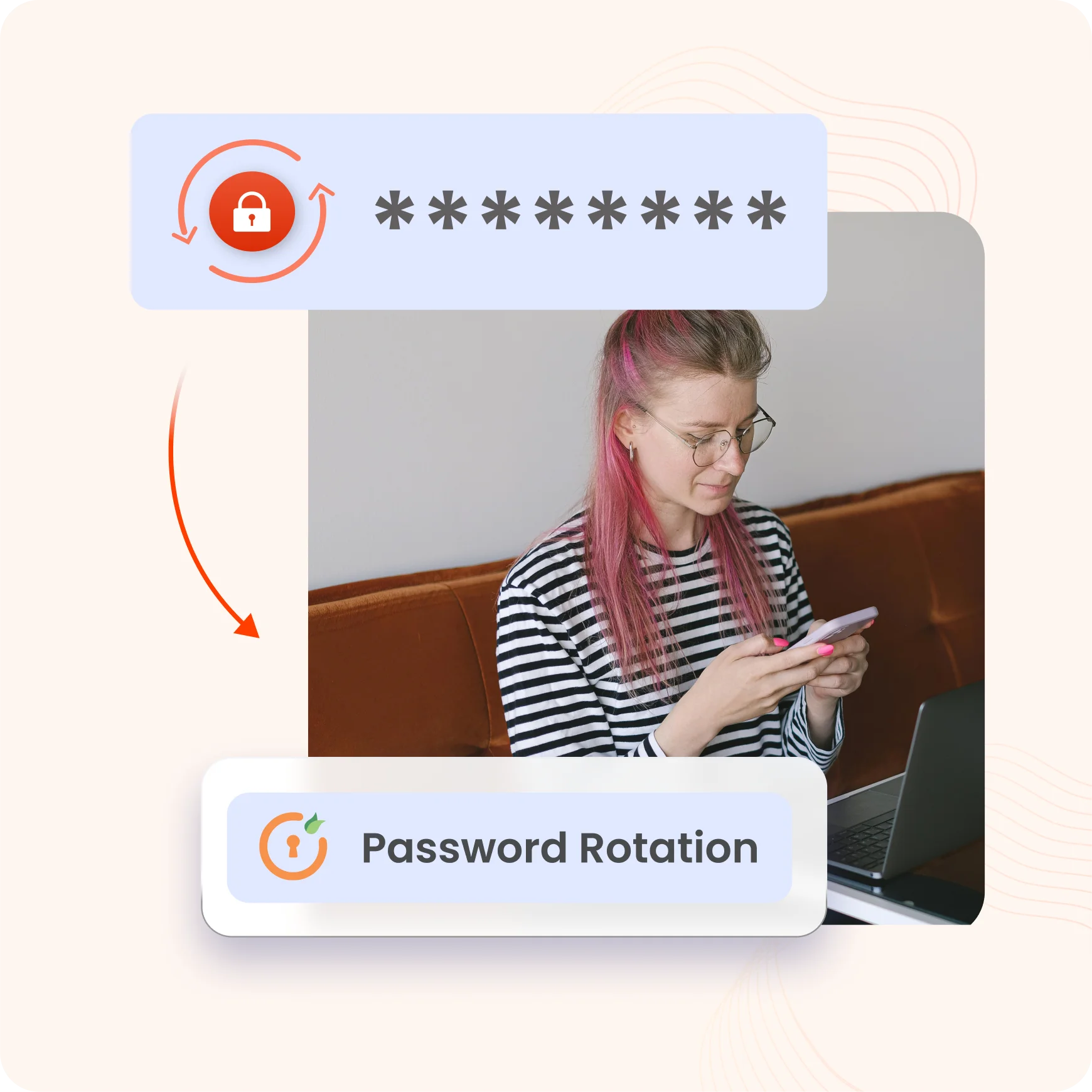
Password rotation is the process of regularly changing a password or credential to reduce the risk of unauthorized access if that credential is exposed or compromised. For privileged accounts, automated rotation can replace passwords without requiring administrators to make each change manually.
Establishing a clear password rotation policy is a fundamental pillar of modern Privileged Access Management (PAM). Replacing static access with automated updates reduces your overall attack surface and ensures exposed credentials quickly become useless.
Password rotation automation is a core capability of privileged password management, helping organizations automatically discover, update, and synchronize privileged credentials.
miniOrange PAM discovers local admin accounts, domain accounts, SSH keys, and database credentials across hybrid environments, then securely stores them in the PAM password vault.
Set how often credentials should change and configure the password requirements that apply to generated credentials.
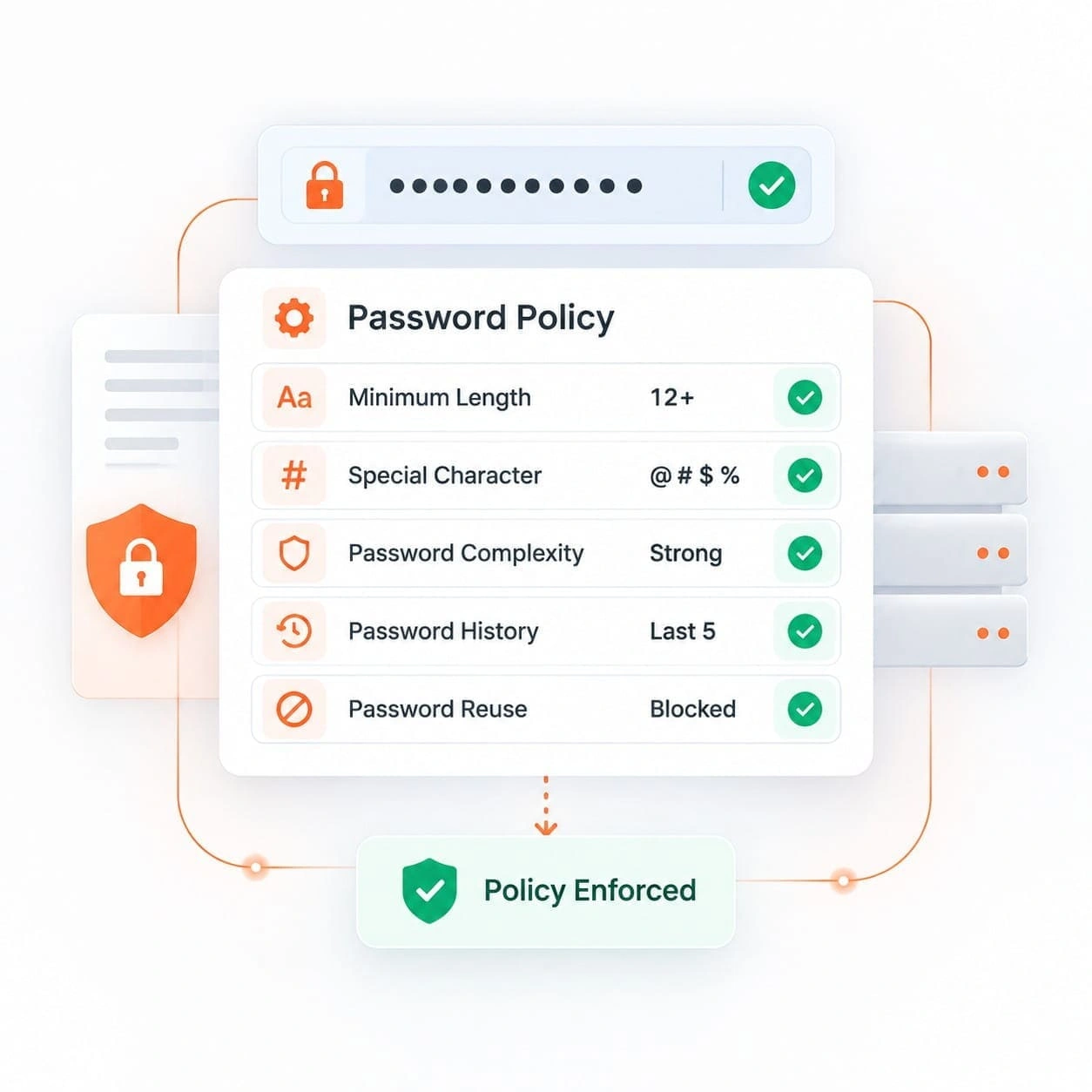
Generates a new password based on your configured password policy, such as password length, character types, complexity, password history, and reuse restrictions.
Connects securely to the target endpoint (e.g., Active Directory, Linux server, network appliance) and executes the password change.
The updated credential is synchronized with the credential stored in the PAM password vault, helping keep the vault and target system aligned.
Logs the entire operation in detailed audit trails for real-time monitoring and compliance verification.

Explore comprehensive PAM features, integration methods, compliance benefits, and everything you need in one place.
Your download should start now. If not, please email us at idpsupport@xecurify.com.
Please enter a valid email-id

Take the manual work out of credential rotation while increasing security and control.
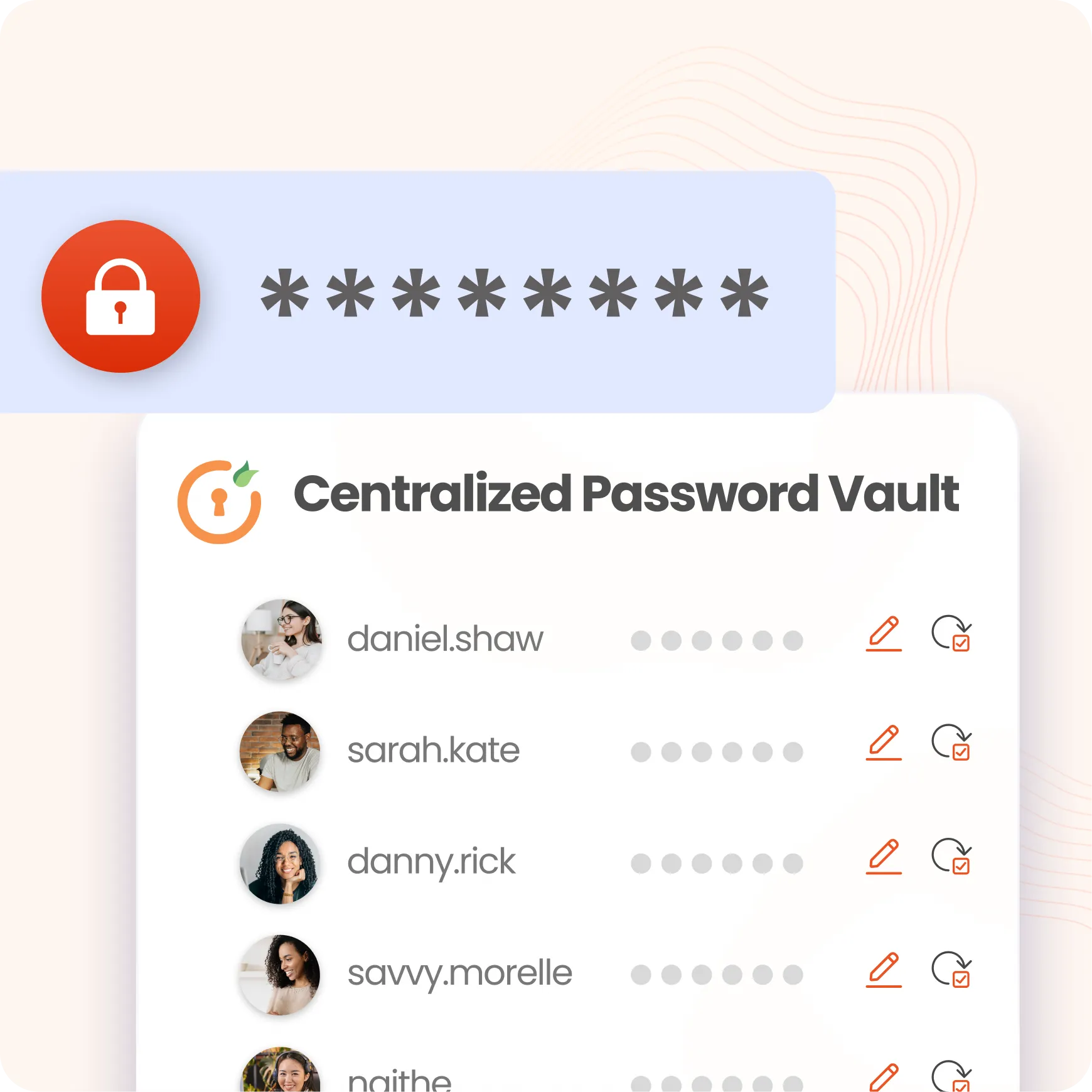
Securely store and manage privileged credentials in a central vault, with granular controls governing checkout permissions. Manage privileged credentials in a centralized place.
Automatically create strong passwords according to configured policies and rotate them on a scheduled basis, before every use, or after every use.
Define and enforce rules for password length, special character rules, complexity standards, history limits, and strict reuse restrictions.
Natively rotate credentials across Active Directory, local Windows/Linux accounts, SSH keys, RDP, VNC, databases, and network devices with PAM password rotation.
Know whether credential rotations completed successfully. Track successful and failed rotation operations and maintain audit records of rotation activity.


Scheduled password rotation helps you maintain a consistent rotation routine without requiring you to remember when each credential needs to change.
Change the credential after a privileged session or credential checkout to limit how long the same credential remains valid after it has been used.
Automatically change the password before the credential is provided for use to give you a fresh credential for each use of the managed account.
You can manually trigger a rotation when required instead of waiting for the next scheduled rotation. Useful during incident response or suspected account compromises.
Automating privileged password rotation can help you consistently enforce credential policies and maintain audit records to help meet compliance requirements.
Requires non-MFA administrative passwords to be rotated every 90 days or governed by dynamic posture evaluation. miniOrange automates compliance across cardholder data environments.
Requires appropriate security policies, procedures, and access controls based on the environment. Password rotation supports broader credential management and security policies.
Under NIST SP 800-63B, forced password resets aren't recommended for standard users unless credentials are compromised. Automated rotation remains useful for privileged accounts.
ISO/IEC 27001 does not prescribe a universal password-change interval. But you should define and enforce credential-management controls based on their information-security risks, policies, and control requirements.
SOC 2 does not prescribe a universal 30-, 60-, or 90-day password-rotation requirement. You need to establish appropriate controls for authentication where password rotation is one control.
Automated password rotation is the process of automatically changing credentials based on a defined rotation method or policy. With miniOrange PAM, administrators can rotate privileged credentials on a schedule, before every use, or after every use. Administrators can also trigger an on-demand rotation when needed.
There is no single rotation interval that applies to every privileged account or environment. Your password rotation policy should consider your organization's risk, credential type, security requirements, and applicable compliance controls.
miniOrange PAM supports scheduled rotation with a configurable rotation interval, as well as rotation before or after credential use.
A strong password rotation best practice is to avoid relying on manual changes for high-value privileged credentials. Use a centralized PAM password vault, define clear password policies, automate credential changes where appropriate, and monitor rotation activity.
For additional guidance, see our Password Management Best Practices resource.
A PAM solution stores privileged credentials in a centralized password vault and controls who can retrieve or use them. For rotation, it generates a new credential according to configured password requirements, updates the target system, synchronizes the new credential with the vault, and records the rotation activity.
With miniOrange PAM, you can configure scheduled, before-use, after-use, and on-demand password rotation.
NIST SP 800-63B does not require periodic password changes for standard memorized secrets. It recommends changing a password when there is evidence that the authenticator has been compromised.
For privileged and other high-risk credentials, organizations can use automated credential rotation as part of a broader risk-based security strategy. miniOrange PAM supports automated rotation based on configured schedules and usage-based rotation methods.
Start by storing the privileged credentials in a centralized PAM password vault. Then define your password requirements and choose a rotation method, such as scheduled rotation, before every use, or after every use.
miniOrange PAM can generate new passwords, update supported target systems, synchronize the updated credentials, and record rotation activity.