
VPNs have long been considered the backbone of secure remote access, especially as organizations shifted to distributed work environments. By encrypting data in transit, they create a secure tunnel between users and corporate systems. On the surface, this appears sufficient to protect sensitive business operations and internal resources.
However, encryption alone does not guarantee security. VPNs do not verify who is accessing the network, only that the connection is valid. This gap in identity verification has become one of the most exploited weaknesses in modern cybersecurity, contributing to a growing number of VPN-related breaches.
Why VPN Security Fails Without MFA
VPNs are designed to secure communication, not enforce identity. This distinction is often overlooked, leading organizations to assume that a protected connection automatically means protected access. In reality, most VPNs rely heavily on username and password combinations, which are among the weakest forms of authentication today. Once credentials are compromised, the VPN cannot distinguish between a legitimate user and an attacker.
The Identity Gap in VPN Authentication
Many organizations attempt to strengthen VPN access using device-based authentication, such as machine certificates. While this adds a layer of control, it still does not verify the actual user. A device can be stolen, shared, or compromised, and the certificate travels with it.
If an attacker gains access to both the device and credentials, they can authenticate without triggering suspicion. This creates a false sense of security. Device trust validates the endpoint, not the identity behind it. Without verifying the user, access control remains incomplete.
Rising Exposure of VPN Entry Points
The rise of remote and hybrid work has significantly expanded the attack surface. VPNs are now exposed to the internet and serve as direct entry points into corporate environments. At the same time, attackers have access to massive databases of leaked credentials, making it easier to target organizations at scale.
This combination of increased exposure and readily available credentials has made VPNs one of the most attractive and efficient entry points for cyberattacks today.
The Hidden Risk of Credential-Based Access
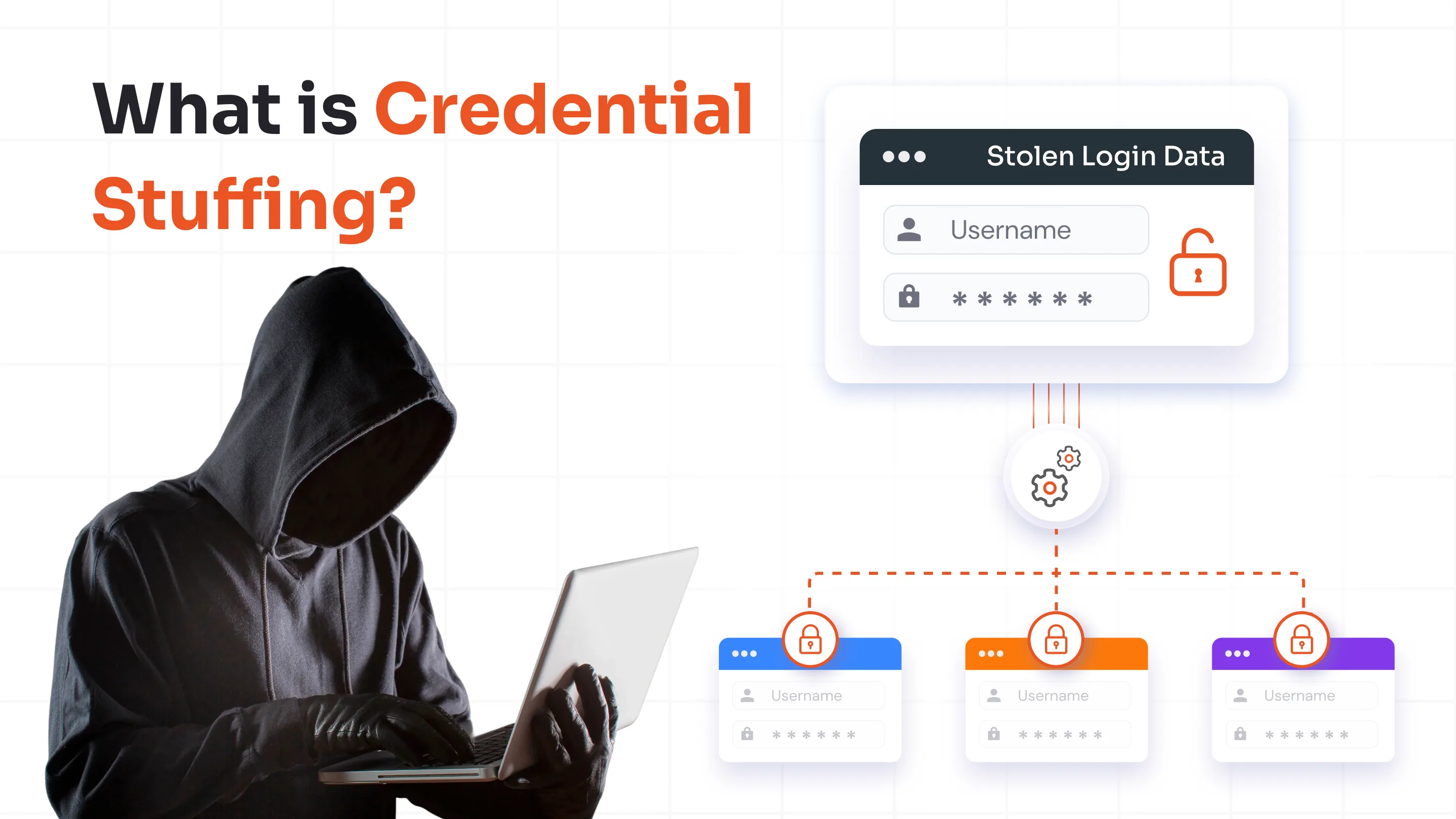
Passwords are inherently vulnerable. Employees often reuse them across multiple platforms, and once exposed in a breach, they become part of automated attack campaigns. Credential stuffing tools allow attackers to test thousands of login combinations in minutes, requiring minimal effort to gain access.
Even a single compromised account can provide entry into critical systems. Without additional verification, VPNs accept these credentials at face value, granting access without questioning legitimacy.
Common VPN Security Myths
Misconceptions around VPN security are one of the biggest reasons organizations remain exposed. These assumptions create a false sense of protection, allowing critical identity gaps to go unnoticed until a breach occurs.
VPN Ensures Secure Access
A VPN encrypts data in transit, which is essential, but it does not control who is accessing the network. Security is often mistaken for encryption alone, when in reality, access control is equally critical.
Without verifying user identity, a VPN simply creates a secure pathway for anyone with valid credentials. If those credentials are compromised, the VPN does nothing to stop unauthorized entry.
Device Trust Equals User Trust
Many organizations rely on managed devices or certificates as a form of authentication. While this ensures that only approved devices can connect, it does not confirm who is actually using the device.
Devices can be stolen, shared, or accessed by unauthorized individuals. Treating device trust as user verification creates a blind spot where attackers can operate undetected if they gain access to a trusted endpoint.
Passwords Are Enough for Protection
Passwords remain the most common authentication method, but they are also the most vulnerable. Phishing attacks, credential leaks, and password reuse make it easy for attackers to obtain valid login details.
Relying solely on passwords means that once credentials are compromised, there are no additional barriers to prevent access. This makes VPN environments highly susceptible to credential-based attacks.
MFA Creates Friction for Users
One of the most persistent concerns is that adding MFA will negatively impact user experience. While this may have been true with older methods, modern MFA solutions are designed to be fast and minimally intrusive.
Push notifications, number matching, and adaptive authentication reduce unnecessary prompts while maintaining strong security. In practice, the few extra seconds required for verification are negligible compared to the impact of a potential breach.
How VPN Access Becomes Vulnerable Without MFA
When a VPN is breached, the consequences extend far beyond unauthorized login. Because VPNs provide direct access to internal networks, a single compromised account can quickly escalate into a widespread security incident.
Unauthorized Access to Internal Systems
Once inside the VPN, attackers gain the same level of access as the compromised user. This can include internal applications, databases, and sensitive business systems. Since the access appears legitimate, it often bypasses traditional security alerts, allowing attackers to operate without immediate detection.
Data Breaches and Sensitive Information Exposure
Attackers can access and extract confidential data, including customer information, financial records, and intellectual property. This not only impacts business operations but also damages trust and reputation. In many cases, organizations are unaware of the breach until the data has already been exfiltrated or publicly exposed.
Lateral Movement Across the Network
VPN access is rarely limited to a single system. Attackers use the initial entry point to explore the network, identify additional targets, and expand their access. By moving laterally, they can escalate privileges, access critical infrastructure, and deepen their foothold within the environment.
Ransomware Deployment and Operational Disruption
With sufficient access, attackers may deploy ransomware to encrypt systems and disrupt operations. This can bring entire business processes to a halt, leading to downtime, financial loss, and recovery costs. Because the attack originates from within the network, containment becomes significantly more difficult.
Compliance Violations and Financial Impact
A VPN breach can trigger regulatory consequences, especially if sensitive or personal data is involved. Organizations may face fines, legal action, and increased scrutiny from regulators. Additionally, failure to implement strong authentication measures like MFA can result in denied cyber insurance claims, further amplifying financial risk.
How MFA Strengthens VPN Security and Access Control
MFA plays a critical role in transforming VPN access. It not only addresses the core weaknesses of credential-based access but also aligns VPN security with modern compliance and architectural expectations.
Adds Identity Verification Beyond Passwords
Passwords alone cannot reliably verify user identity, especially in an environment where credentials are frequently exposed or reused. An MFA solution introduces an additional verification step, ensuring that access is granted only after confirming the user through a second factor, such as a device, OTP, or biometric input. This added layer shifts authentication from basic credential validation to true identity verification.
Prevents Access Using Compromised Credentials
One of the biggest advantages of MFA for VPN is its ability to block unauthorized access even when login credentials are compromised. Attackers who obtain valid usernames and passwords cannot proceed without completing the second authentication factor. This significantly reduces the effectiveness of credential-based attacks such as phishing, brute force, and credential stuffing.
Reduces Overall Risk of Unauthorized Access
By requiring multiple forms of verification, MFA minimizes the likelihood of unauthorized entry into the network. It creates an additional barrier that attackers must overcome, increasing the complexity and reducing the success rate of attacks. As a result, organizations experience fewer security incidents tied to compromised credentials.
Meets Compliance and Security Requirements
MFA is no longer optional in modern security frameworks. Regulations and standards such as NIST, PCI DSS, and others mandate strong authentication controls for remote access. In addition, cyber insurance providers increasingly require MFA as a baseline condition for coverage. Failing to implement MFA can lead to compliance gaps, financial penalties, and increased liability in the event of a breach.
Supports a Layered and Zero Trust Security Approach
Effective security is built on multiple layers rather than a single control. While VPNs provide encryption for data in transit, MFA ensures that only verified users can access that data.
Together with additional controls such as device posture checks and behavioral monitoring, MFA contributes to a layered security model. This approach aligns with Zero Trust principles, where access is continuously verified rather than assumed.
VPN Alone Is No Longer Enough
VPNs were designed to secure data in transit, not to verify who is accessing the network. That distinction has become critical as attackers increasingly rely on stolen credentials rather than complex exploits. Without MFA, VPN access remains vulnerable, turning a secure connection into an exposed entry point.
Adding MFA is not about adding friction; it is about closing a fundamental security gap. It ensures that access is tied to a verified identity, not just valid credentials. As remote access continues to expand and compliance expectations tighten, relying on VPNs alone is no longer sufficient. Securing VPN access today means combining encryption with identity verification.
FAQs
Is a VPN secure without MFA?
No, a VPN is not secure without MFA. While it encrypts data in transit, it does not verify user identity, making it vulnerable to credential-based attacks.
Why is MFA important for VPN security?
MFA adds an extra layer of identity verification, ensuring that even if passwords are compromised, unauthorized users cannot access the VPN.
Can a VPN be hacked without MFA?
VPNs are rarely hacked directly. Instead, attackers use stolen credentials to log in. Without MFA, there is no additional barrier to stop them.
What are the risks of using VPN without MFA?
The main risks include unauthorized access, data breaches, lateral movement within networks, and ransomware attacks.
Is a device certificate enough to secure VPN access?
No, a device certificate only verifies the device, not the user. It does not prevent unauthorized access if credentials are compromised.
What is the best MFA method for VPN access?
Push-based authentication with number matching is widely considered the most secure and user-friendly method for VPN access.
About the Author

Content Writer
Minal is an experienced B2B content writer. She has written over 250 articles across industries like UI/UX, real estate, automotive, digital marketing, SaaS, AI & ML, and cybersecurity. She brings her interest in cybersecurity to life by creating clear, engaging content tailored for technical, non-technical, and creative pieces. Her aim is to simplify complex topics, highlight product value, and connect with both technical and non-technical audiences.
Leave a Comment