Hello there!
Need Help? We are right here!

Need Help? We are right here!
Search Results:
×
Explore comprehensive PAM features, integration methods, compliance benefits, and everything you need in one place.
Your download should start now. If not, please email us at idpsupport@xecurify.com.
Please enter a valid email-id

External vendors need privileged access to maintain apps and manage systems. Unmanaged access increases security and compliance risks.
Standing privileged accounts that remain active
Lack of visibility into privileged activity
miniOrange enables identity-driven vendor access with least-privilege enforcement while protecting sensitive financial and customer data.
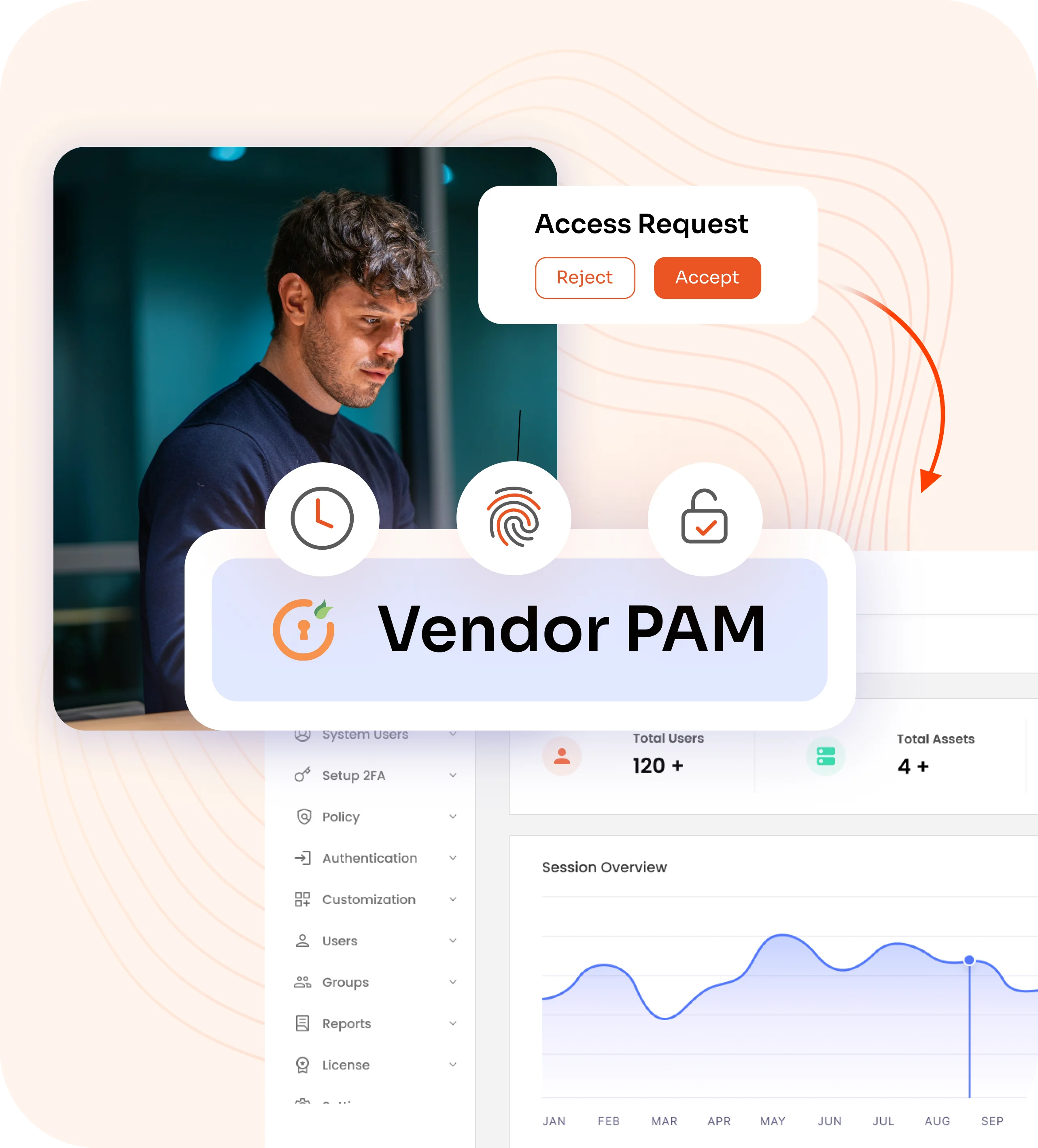
Time-bound, task-specific access through approvals
Continuous monitoring and session recording
A modern VPAM tool must go beyond basic remote access by enforcing strict controls, eliminating standing privileges, and delivering complete visibility over third-party activity.
Grant task-specific, just-in-time access and automatically revoke privileged to eliminate standing accounts and reduce the attack surface.
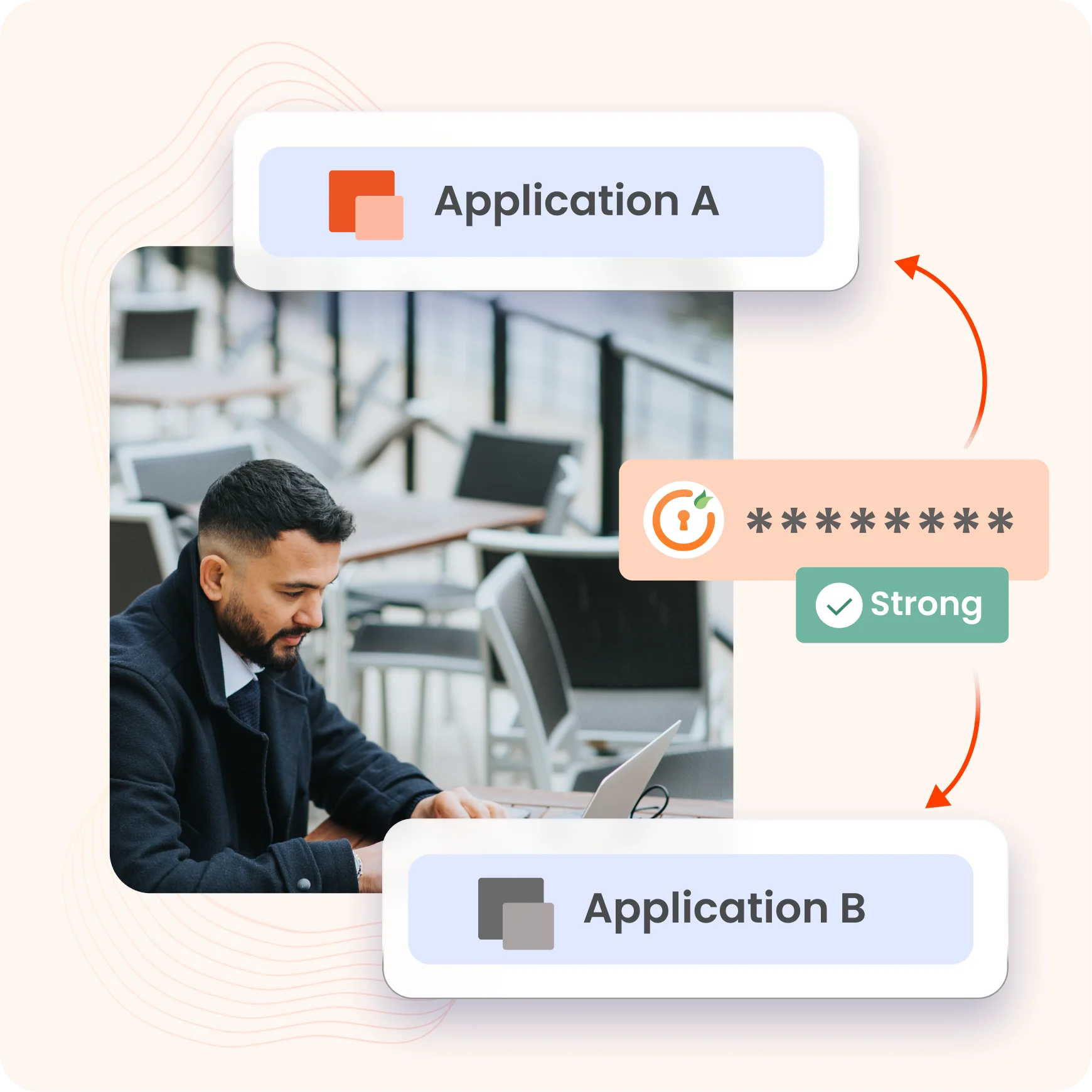
Enforce MFA and secure credential vaulting with automated password rotation to prevent shared, exposed, or misused privileged credentials.
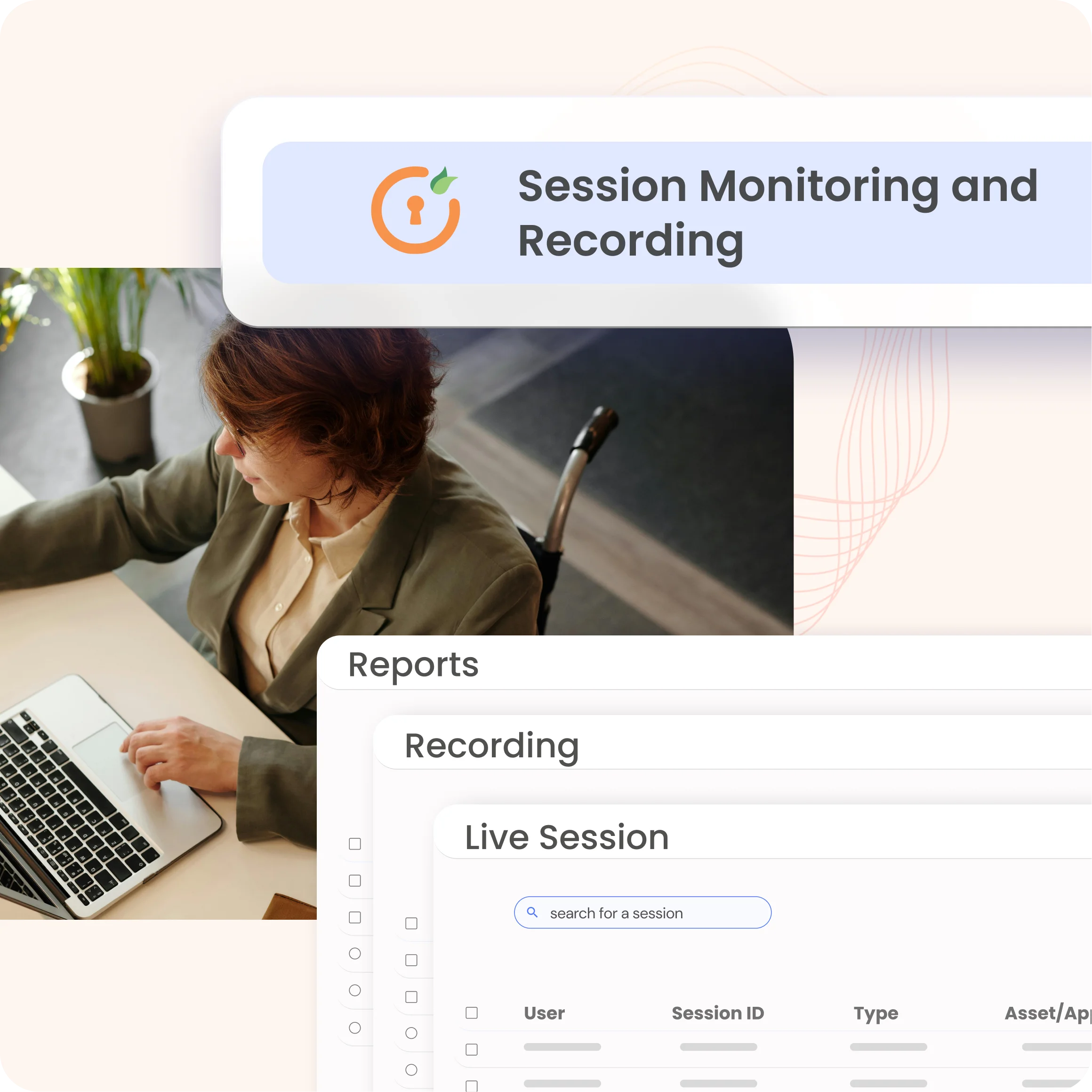
Track, record, and audit every vendor session with searchable logs for complete visibility, forensic analysis, and regulatory readiness.
Enable browser-based or VPN-integrated access to critical systems without exposing internal networks or deploying endpoint agents.
Continuously verify identity and context while enforcing least-privileged policies to block unauthorized actions and lateral movement.
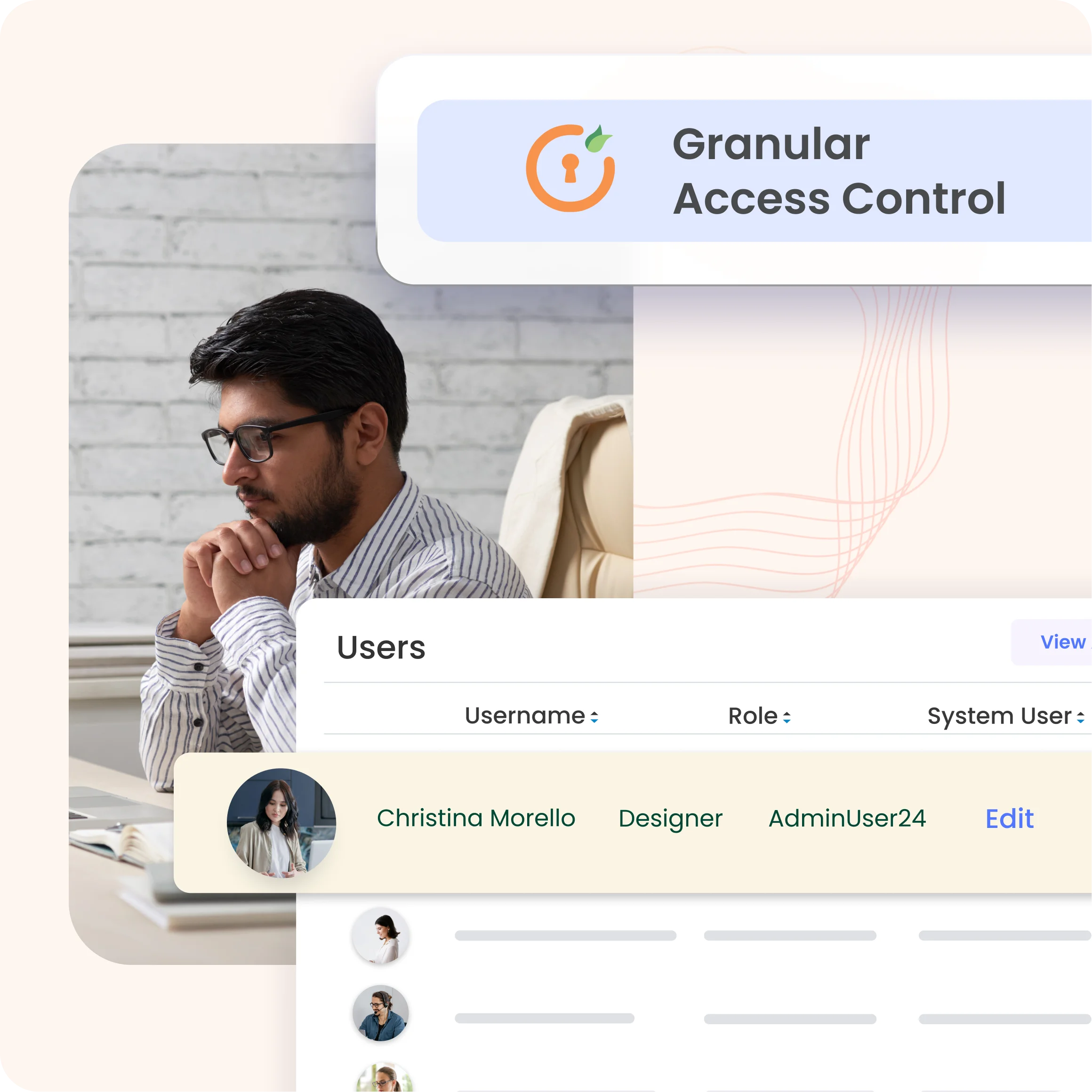
Onboard third-party users without creating Active Directory accounts and organize them into role-based groups. Centralize identities to enable consistent, policy-driven governance across all vendor access.
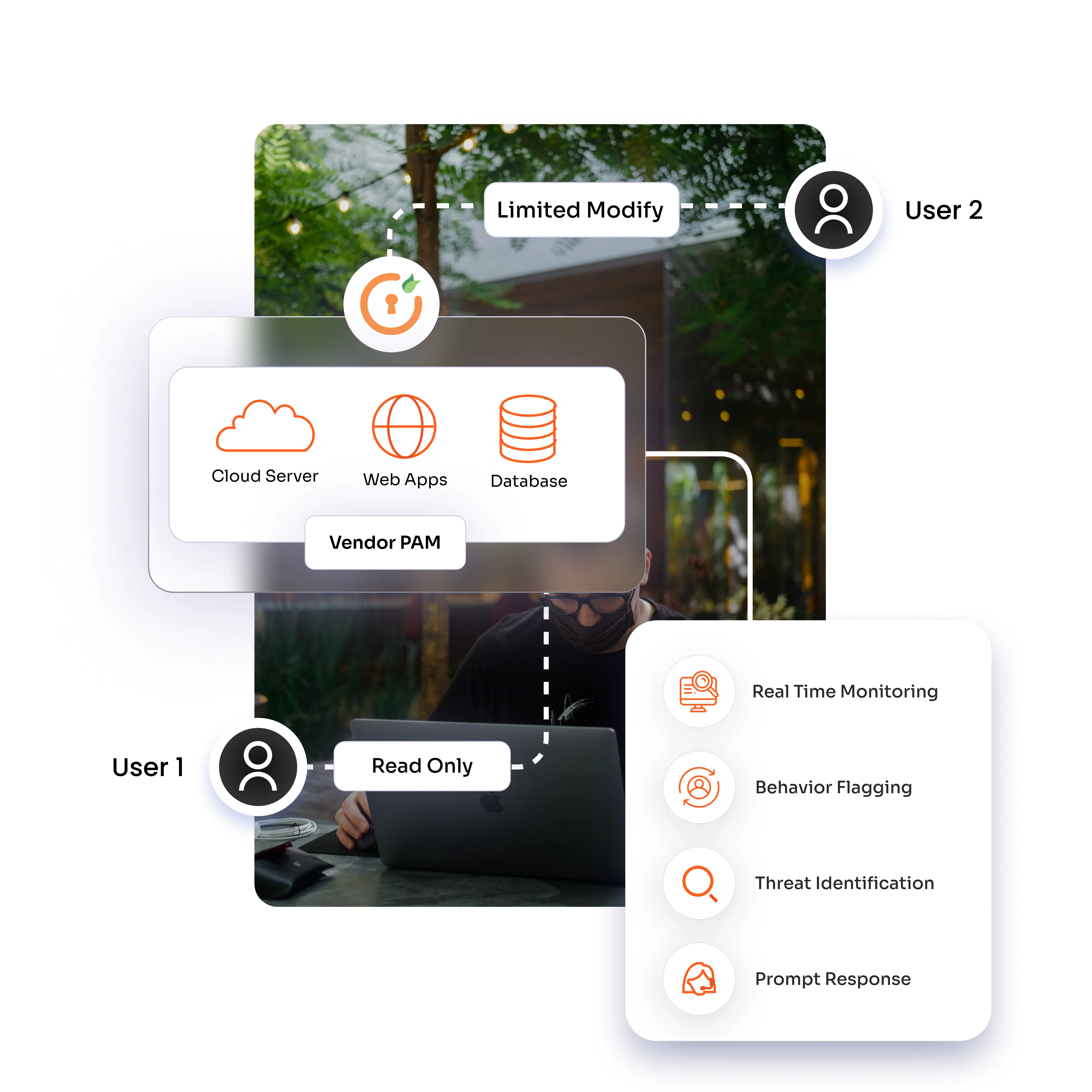
Define accessible assets, apply granular command restrictions, and configure time-bound access through approval workflows. Ensure vendors receive only task-specific privileges, which are automatically revoked upon completion.
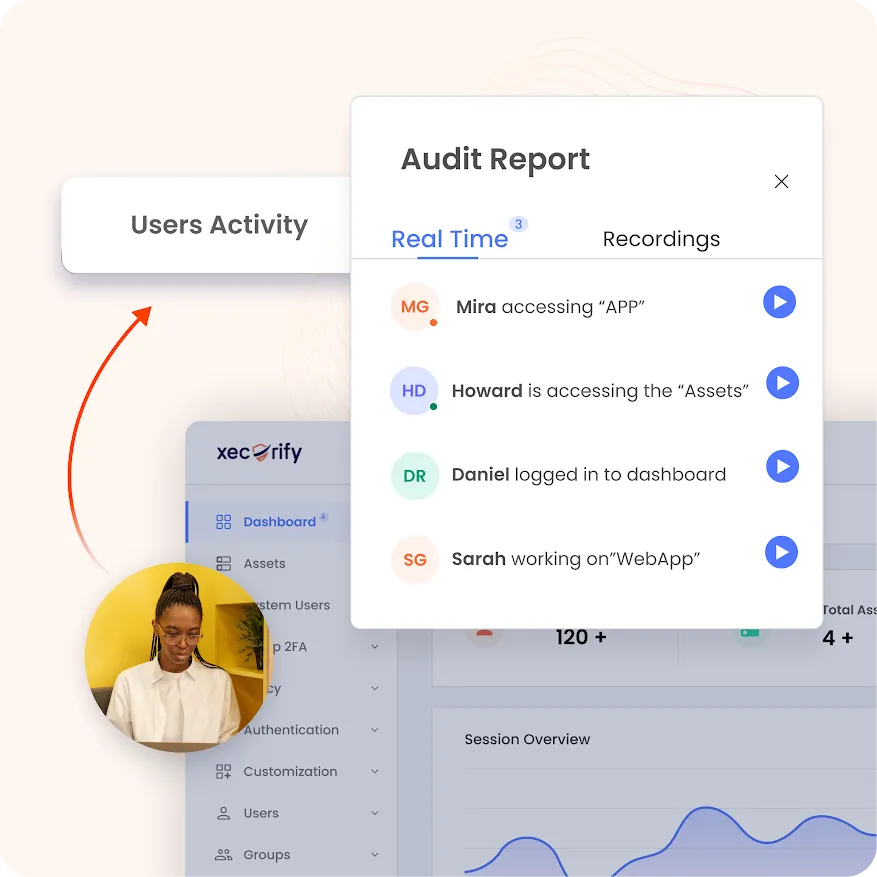
Enable real-time activity tracking with session recording, monitoring and detailed audit logs for every privileged interaction. Allow administrators to terminate suspicious sessions while maintaining complete accountability instantly.
| Factors | VPN-less Access (Identity-Driven) | VPN-Based Access (Infrastructure-Driven) |
|---|---|---|
| Primary Advantage | Fast, agentless onboarding for external vendors | Extends governance to existing VPN-connected environments |
| Ideal For | Third-party support, short-term access, web-based resources | Long-term vendors, legacy systems, internal network workflows |
| Access Experience | Secure browser-based access from any location | Controlled access within the corporate network tunnel |
| Security Controls | Policy enforcement at the identity and application layer | Network-layer enforcement with centralized tunnel control |
| Business Outcome | Accelerated third-party collaboration without network exposure | Controlled access continuity for legacy-critical infrastructure |
Fulfill compliance requirements across highly regulated industries, including healthcare , financial services , manufacturing , hospitality, retail, energy, and government sectors.
Support NIS2 Compliance with strict privileged access governance, continuous monitoring, and detailed identity-linked activity trails for accurate incident response and regulatory reporting.
Provide verifiable records of time-bound access, approval workflows, and controlled privileged operations to simplify audits and strengthen third-party risk management (TPRM).
Protect sensitive healthcare environments with least-privilege access, strong authentication, and complete visibility into all vendor activities for secure regulatory reporting.
Restrict and govern vendor access to cardholder data environments with Just-in-Time provisioning and centralized controls that align with audit and compliance mandates.
Meet the changing cyber insurance security requirements by eliminating standing privileges, enforcing strong access controls, and maintaining a complete, auditable access history.
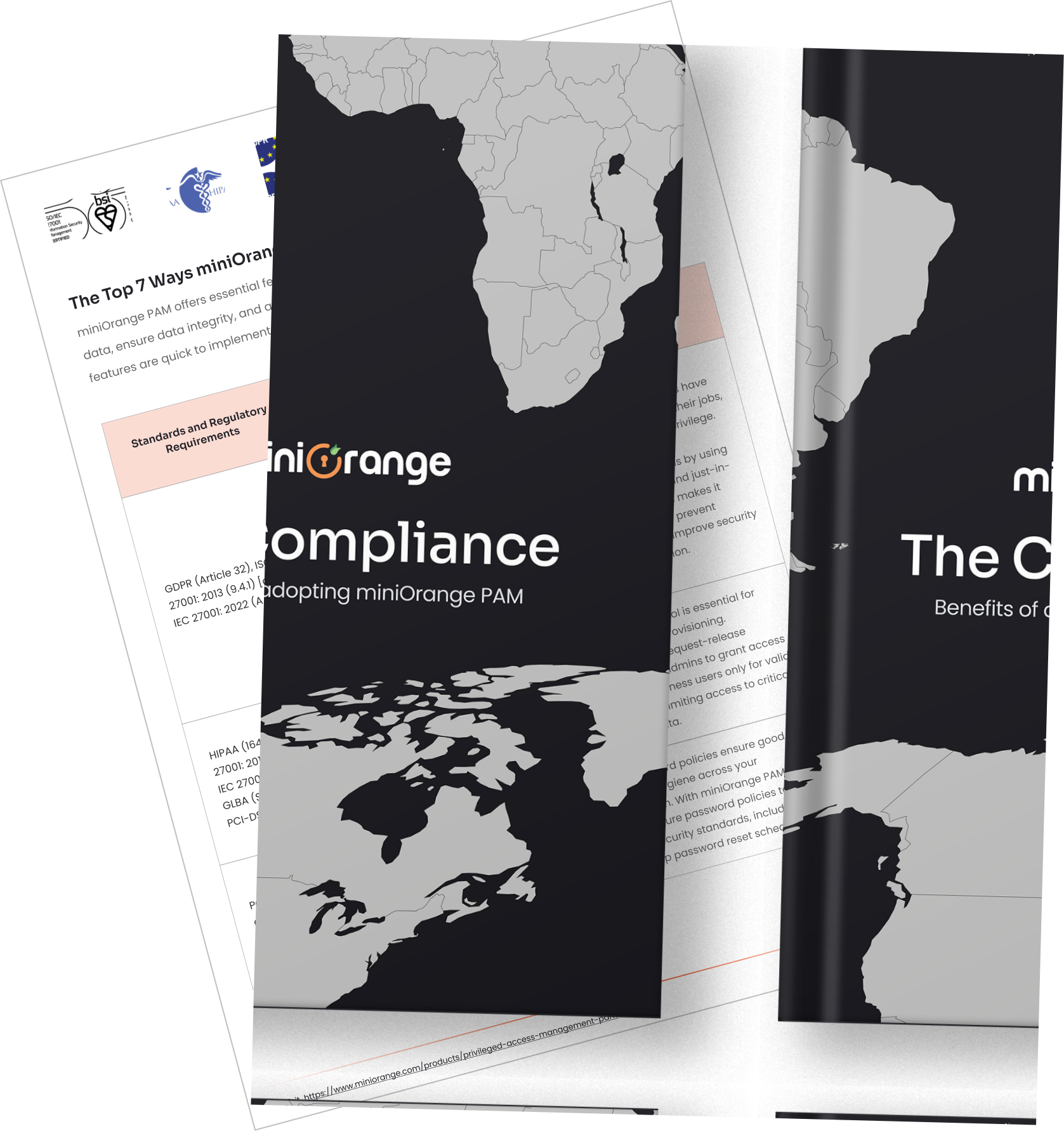
Discover how miniOrange PAM can help your organization meet regulatory requirements and strengthen your security framework.
Learn More About PAM Compliance