Hello there!

Need Help? We are right here!

miniorange Support~
miniOrange Email Support
success

Thanks for your Enquiry.

If you don't hear from us within 24 hours, please feel free to send a follow-up email to info@xecurify.com

Search Results:

×

Truth About Mythos

Mythos -
Myth or Reality!

What can you do right now, to prepare your organization for when Mythos becomes available to everyone.

Download Presentation →
Mythos — Myth or Reality AI security defense in depth

Mythos - Myth or Reality


MYTH – the sky is falling
  • Mythos will instantly hack every system — there's nothing you can do to stop it
  • Mythos is locked away safely — restricted access means we're all protected for now
  • AI creates brand new vulnerabilities that never existed before
  • AI attacks are unstoppable because they operate at superhuman speed
  • Traditional security tools are obsolete in the age of AI
REALITY – basics still win
  • Mythos targets weak posture - MFA, least privilege, and patching stop most attacks cold
  • Similar capabilities are spreading to other labs and open-weight models - restricted access is a window, not a wall
  • AI exposes existing flaws faster - your unpatched CVEs are the real threat
  • Speed amplifies both sides - automated detection, rate limiting, and anomaly monitoring can shut down attacks just as fast
  • Your existing stack still matters - EDR, WAF, IAM, and SIEM become even more effective when tuned and integrated properly


Security That Actually Stops AI-Driven Attacks


Build-time hygiene

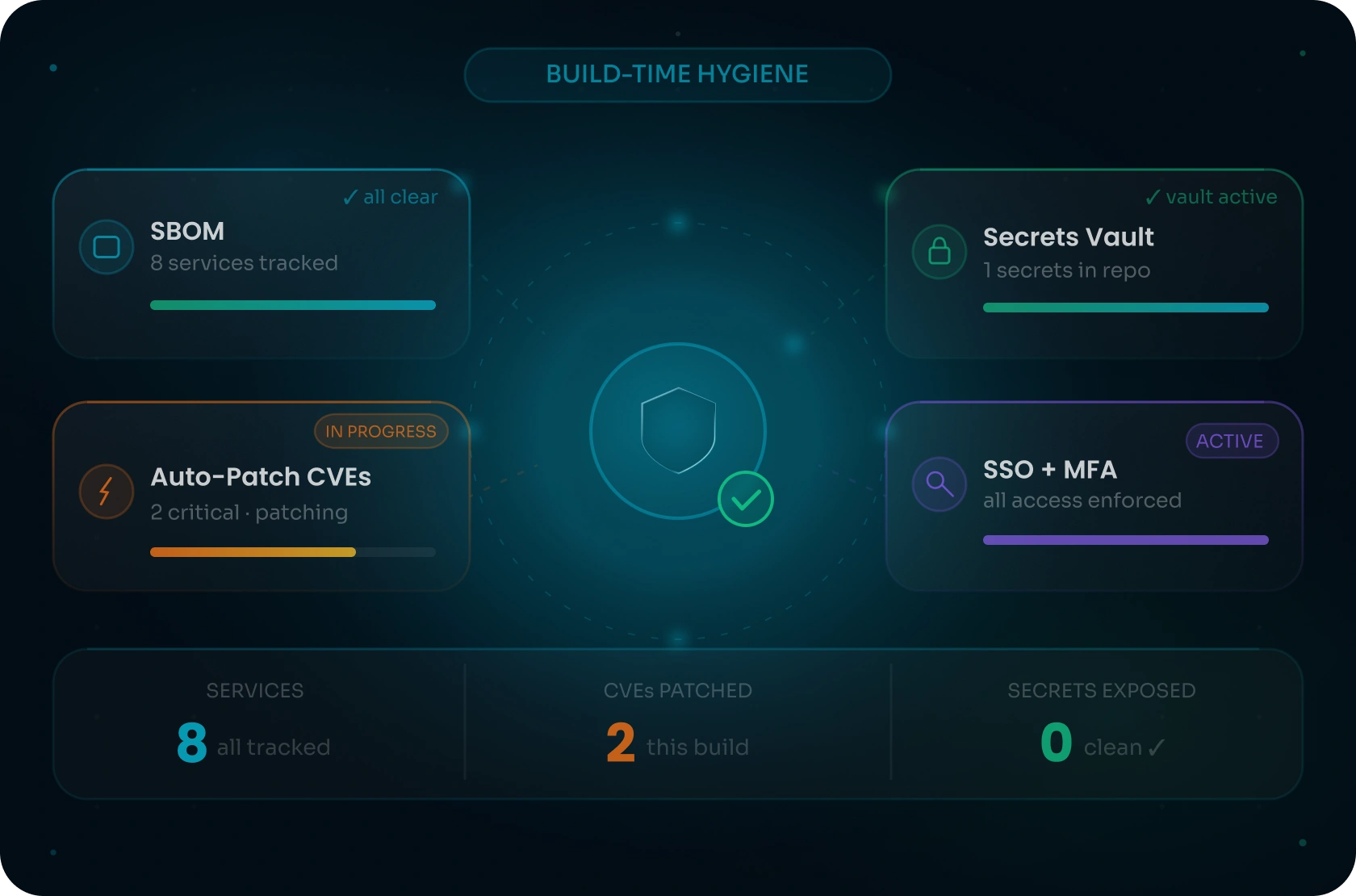
Build-time hygiene (SBOM, patching dependencies)

This is your first line of defense

  • Maintain SBOM for all services
  • Track and update vulnerable dependencies regularly
  • Auto-patch critical CVEs (don't wait for quarterly cycles)
  • Use trusted sources for libraries/models only
  • Lock dependency versions (no random latest pulls)
  • Secrets management (no creds in repo, use vaults)
  • Least privilege IAM everywhere
  • Enforce SSO + MFA for all access
  • Validate configs (no open buckets, public endpoints, etc.)

Black-box testing (attacker mindset)

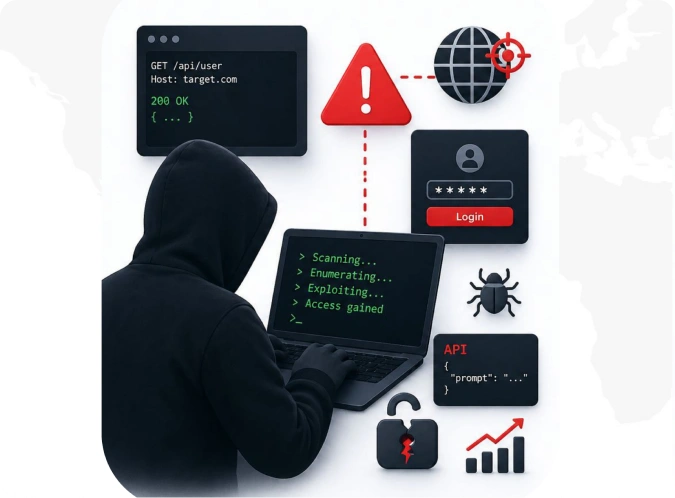
Now assume you're already exposed—try to break yourself

  • Run regular pentests (internal + external)
  • Fuzz APIs and inputs (especially AI prompts)
  • Test for prompt injection / data exfiltration
  • Abuse rate limits
  • Check auth bypass scenarios
  • Simulate real attacker flows
  • Test exposed endpoints + misconfigs
Attacker mindset


SAST

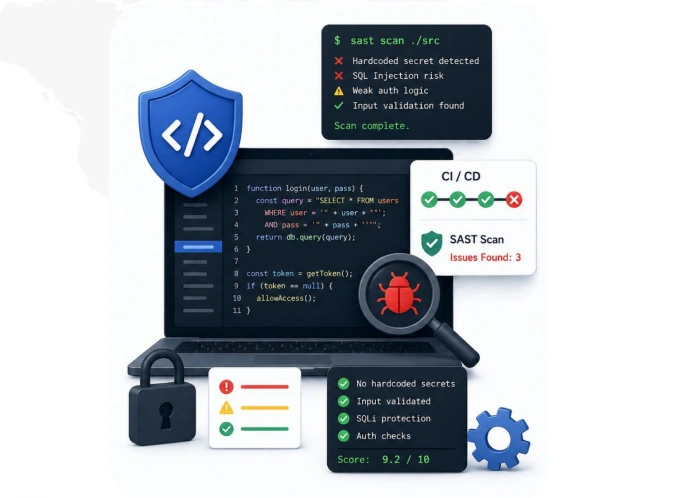
SAST (code-level security)

Catch issues before runtime

  • Run SAST on local code and in CI/CD
  • Scan for hardcoded secrets
  • Catch injection issues (SQL, command, etc.)
  • Validate input sanitization paths
  • Check auth logic (broken access control)
  • Use linters + security rulesets
  • Enforce secure coding standards
  • Do manual code reviews for critical flows


Download the Mythos PPT and Start Securing Your Organization Now


User & Identity Hygiene (Biggest real-world gap)

  • Enforce MFA (phishing-resistant if possible)
  • Use unique passwords per app
  • Apply least privilege access
  • Conduct regular access reviews
  • Rotate API keys, tokens, credentials

👉 "Identity is the new perimeter—and attackers know it."
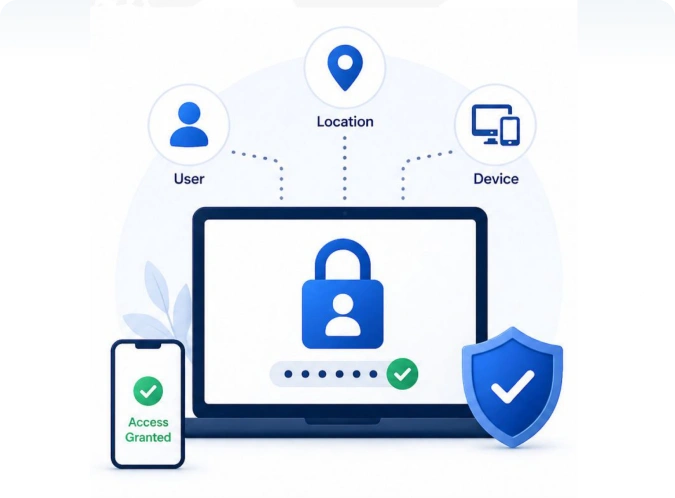
Context-aware access control

Behavioral monitoring


Infrastructure & Runtime Defense

  • Segment networks (critical vs non-critical)
  • Keep systems patched and updated
  • Encrypt sensitive data
  • Use context-aware access controls
  • Monitor behavior (anomaly detection, SIEM)

👉 "Speed cuts both ways—defenders can automate too."

Controlling AI Risk - Visibility, Governance, Guardrails

AGENT TRAFFIC DETECTION GOVERNANCE LLM GUARDRAILS
What it means Identify and monitor AI agents interacting with your systems. Define and enforce rules for how AI is used in your org. Runtime protections that filter, validate, and constrain AI inputs and outputs.
Why it matters AI agents can scale attacks or misuse rapidly. Visibility first. Prevent data leakage, ensure compliance, and avoid shadow AI. Stops prompt injection, prevents data exfiltration, and keeps outputs aligned with policy.
How it's done Behavior analysis, fingerprints, API gateways, and correlation. Access control, policies, logging, audit trails, and approval workflows. Input/output filtering, context isolation, policy rules, and retrieval constraints.
Think Think: Who/what is actually calling my system? Think: Are we using AI responsibly and within boundaries? Think: Even if something goes wrong, the AI stays within safe boundaries.