Hello there!
Need Help? We are right here!

Need Help? We are right here!
Search Results:
×As healthcare becomes more connected, organizations must secure access across increasingly diverse identities, systems, and care environments.
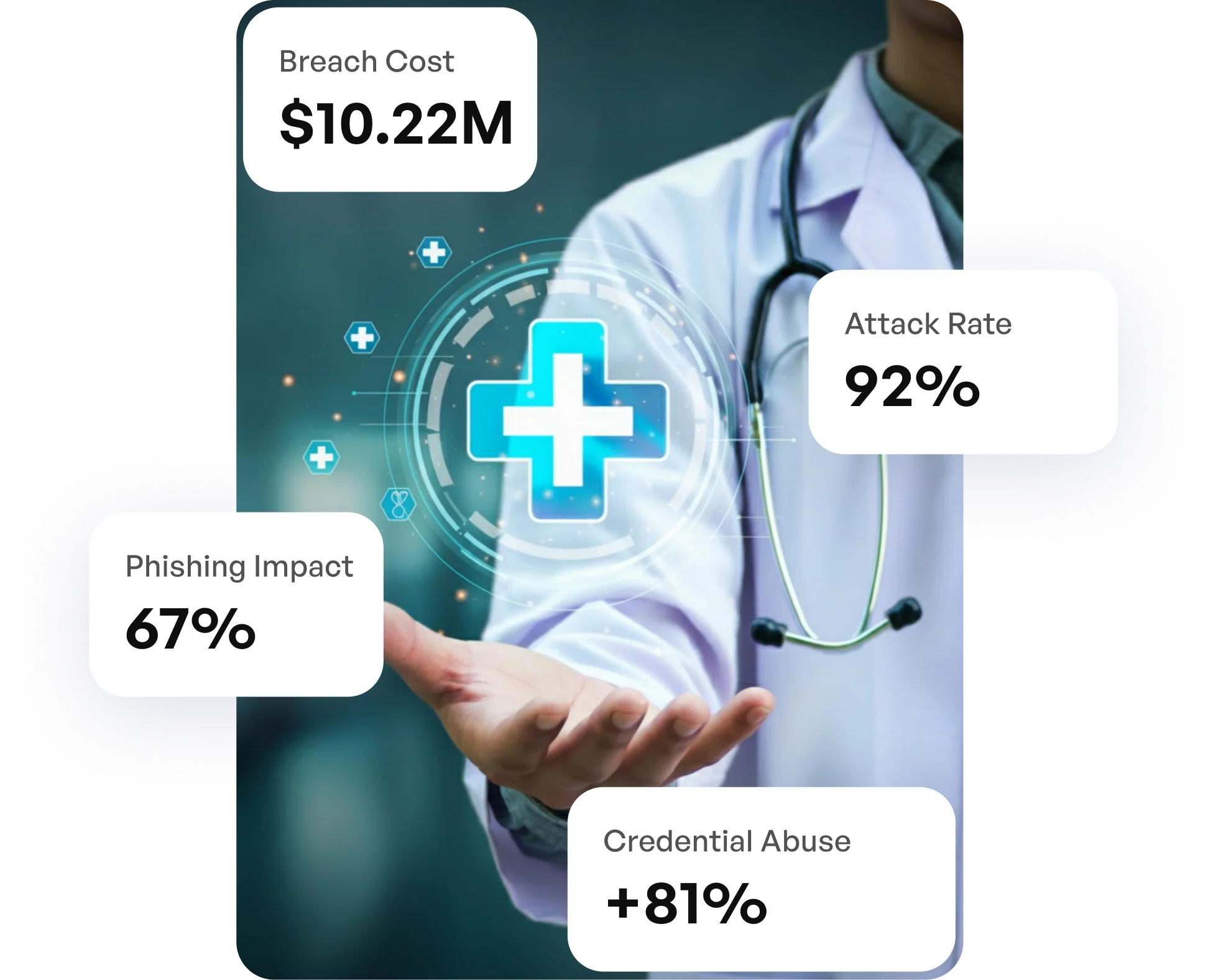
Average cost of a healthcare data breach
Individuals affected by healthcare breaches in 2026
Confirmed healthcare breaches analyzed in 2026
From first-day onboarding to changing clinical roles and eventual offboarding, keep identity controls aligned with
how healthcare teams actually work.
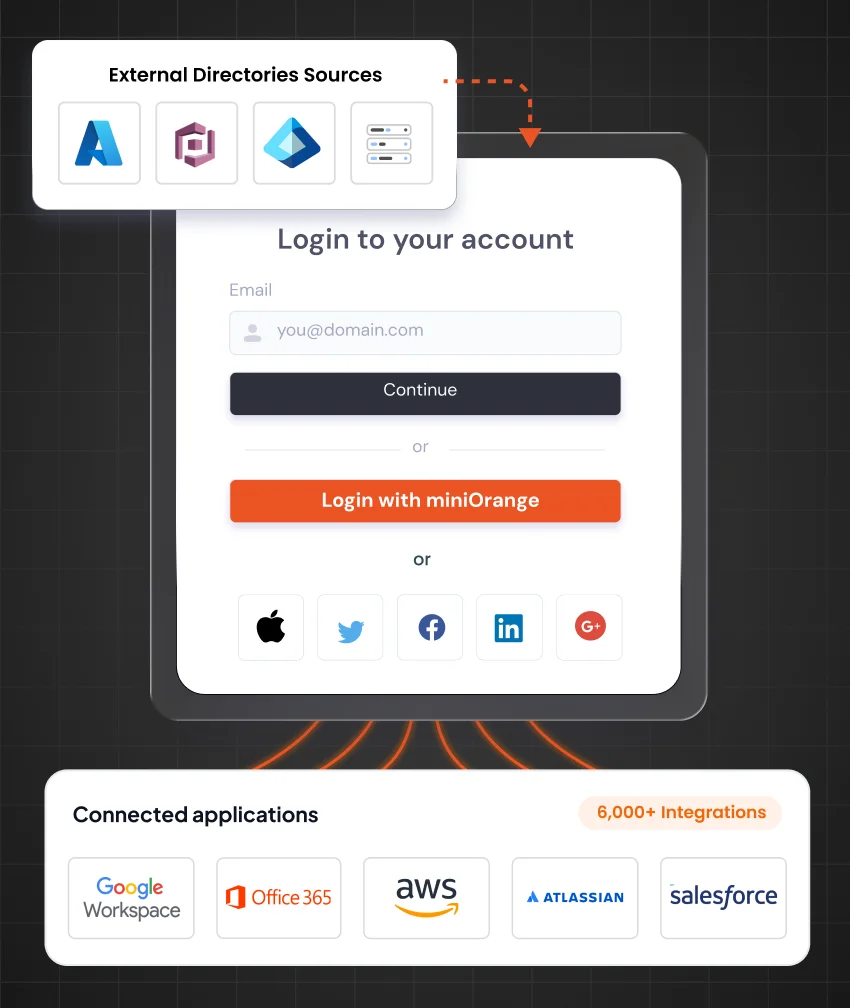
Simplify clinician access across EHRs, clinical applications, and shared workstations, giving authorized users a consistent way to reach the systems they need.
Know More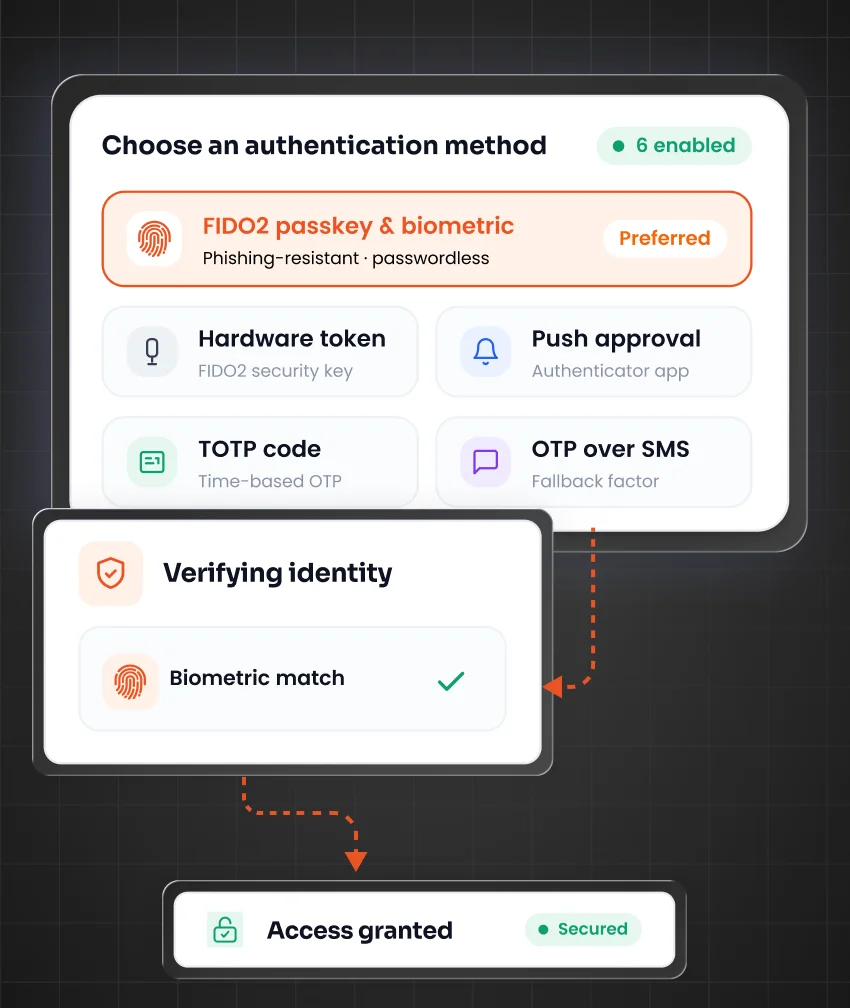
Strengthen authentication for privileged access, remote care, and sensitive healthcare applications with phishing-resistant MFA that helps defend against credential theft.
Know More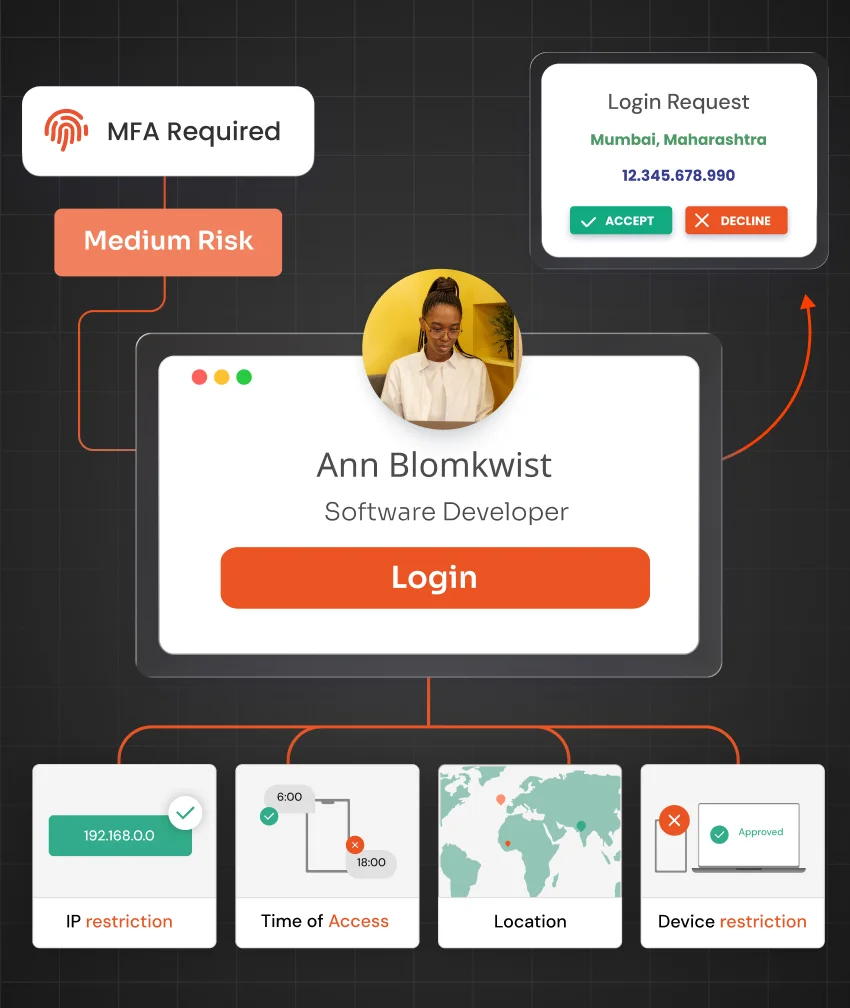
Apply context-aware controls across shared workstations, mobile devices, and remote access, evaluating device and access conditions before granting entry.
Know More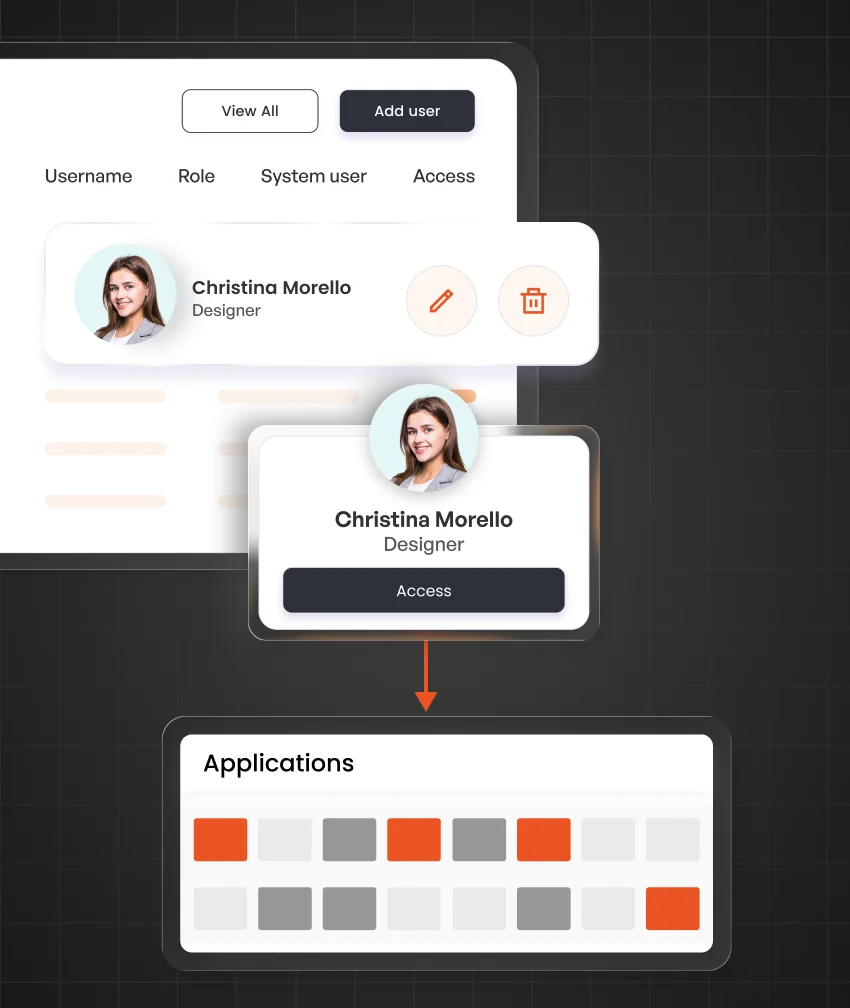
Automate provisioning and deprovisioning as clinicians, contractors, and staff join, change departments, take temporary assignments, or leave the organization.
Know More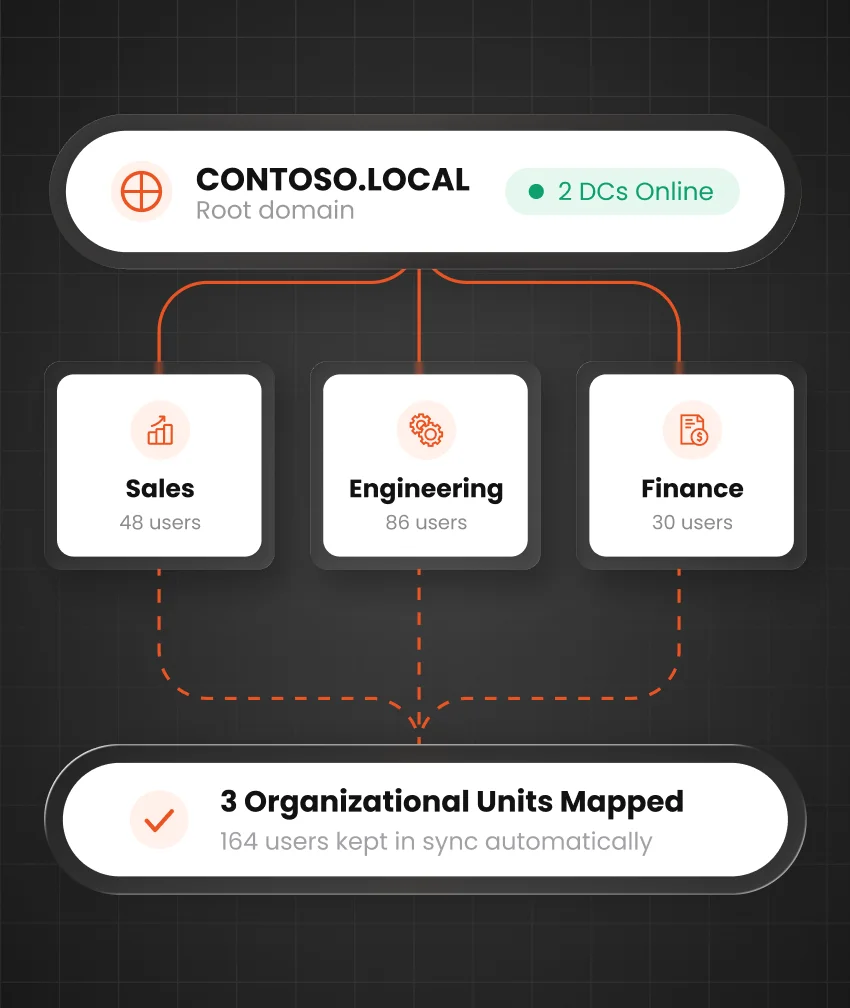
Unify identities across existing directories while supporting role-based access and least privilege for clinical, administrative, and third-party users.
Know More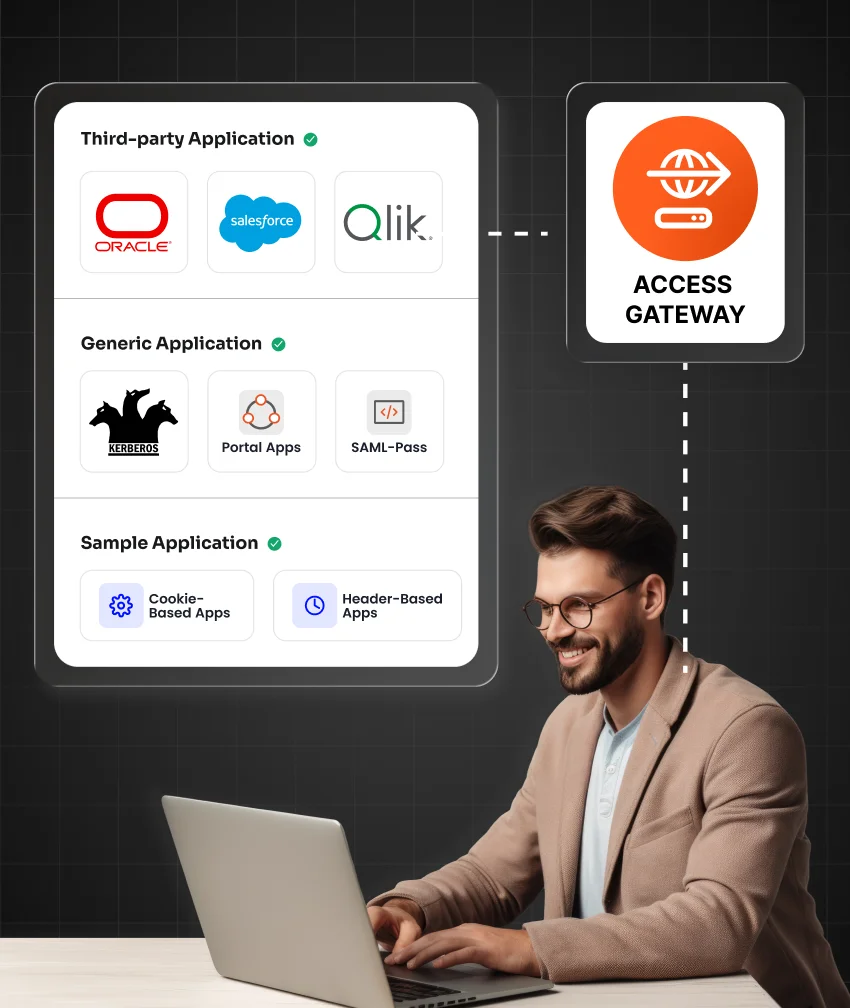
Modernize access to legacy applications that cannot support contemporary authentication, extending SSO and stronger authentication without replacing established healthcare systems.
Know MoreCreate a stronger digital foundation for clinicians, patients, partners, and the critical systems they depend on every day for care.
Secure authentication across EHRs, clinical applications, patient platforms, directories, cloud services, and legacy systems.











Extend modern authentication to cloud applications, on-premises systems, legacy platforms, and distributed care environments as your IAM needs evolve.


Shared workstations serve multiple clinicians throughout shifts, making individual accountability difficult. Individual authentication keeps access personalized without leaving credentials or active sessions exposed.
Emergency care can demand immediate access to restricted systems. Controlled break-glass workflows provide timely entry while preserving authorization, accountability, and auditability throughout critical events.
Contractors and external partners need temporary access to specific resources. Granular permissions limit exposure while automated lifecycle controls help remove access when engagements end.
Distributed teams access healthcare systems from hospitals, clinics, homes, and telehealth settings. Context-aware policies maintain consistent protection wherever healthcare services are delivered.
Adapt identity and access management to the people, applications, workflows, and technology environments unique to each healthcare segment.

Manage access across multiple facilities, clinical departments, EHR environments, shared workstations, and large healthcare workforces.

Simplify secure access for physicians, nurses, administrative staff, and patients across clinical and business applications.

Secure digital access for clinicians and patients across virtual consultations, remote care platforms, and patient-facing applications.

Control access to laboratory systems, diagnostic applications, patient information, and specialized healthcare technology.

Manage workforce access across distributed pharmacy locations, patient services, pharmacy applications, and operational systems.

Secure access across connected medical technologies, service teams, healthcare partners, and supporting applications.
Create secure, intelligent digital experiences that protect every interaction, simplify access, and build trust from the first connection through the last.
Bring authentication, access management, lifecycle controls, and governance together across existing healthcare infrastructure in one IAM platform.
Put identity at the center of secure, contextual healthcare access decisions.
Strengthen HIPAA compliance with authentication, least privilege, lifecycle controls, and auditing.
Get round-the-clock expert support for deployment, integration, troubleshooting, and ongoing operations.
Connect EHRs, legacy applications, directories, cloud services, and custom systems seamlessly.

Build a secure IAM strategy for clinical, research, corporate, and regulated environments.
Read the GuideRESOURCES
Explore resources covering IAM, secure access, and identity management across healthcare and pharmaceutical environments.
Healthcare IAM can authenticate each user individually on shared devices, apply appropriate access policies, and help prevent credentials or sessions from carrying over between users.
Yes. IAM can enable controlled emergency access while maintaining authentication requirements, authorization controls, accountability, and audit trails for actions taken during critical events.
IAM can provision, limit, review, and remove external access based on requirements, helping organizations enforce least privilege throughout a contractor or partner’s engagement.
Yes. miniOrange can extend modern authentication to legacy applications and integrate with existing EHR, directory, cloud, and on-premises environments through established identity protocols.
IAM supports HIPAA-related safeguards through strong authentication, controlled access, least privilege, lifecycle management, policy enforcement, and audit capabilities that help demonstrate appropriate access governance.
Yes. miniOrange supports cloud, on-premises, and hybrid deployment scenarios, allowing healthcare organizations to introduce modern identity controls while retaining existing infrastructure where required.
x
Your download should start now. If not, please email us at idpsupport@xecurify.com or contact us.