New Clinicians Face Access Delays
Manual onboarding across HR and credentialing teams delays EHR access and keeps clinicians waiting for required applications.
Need Help? We are right here!

Search Results:
×
Manual access processes create gaps in ePHI protection and slow care when healthcare staff cannot receive the right access on time.
Manual onboarding across HR and credentialing teams delays EHR access and keeps clinicians waiting for required applications.
Transfers and rotations leave clinicians with permissions from previous roles, creating unnecessary access to patient data.
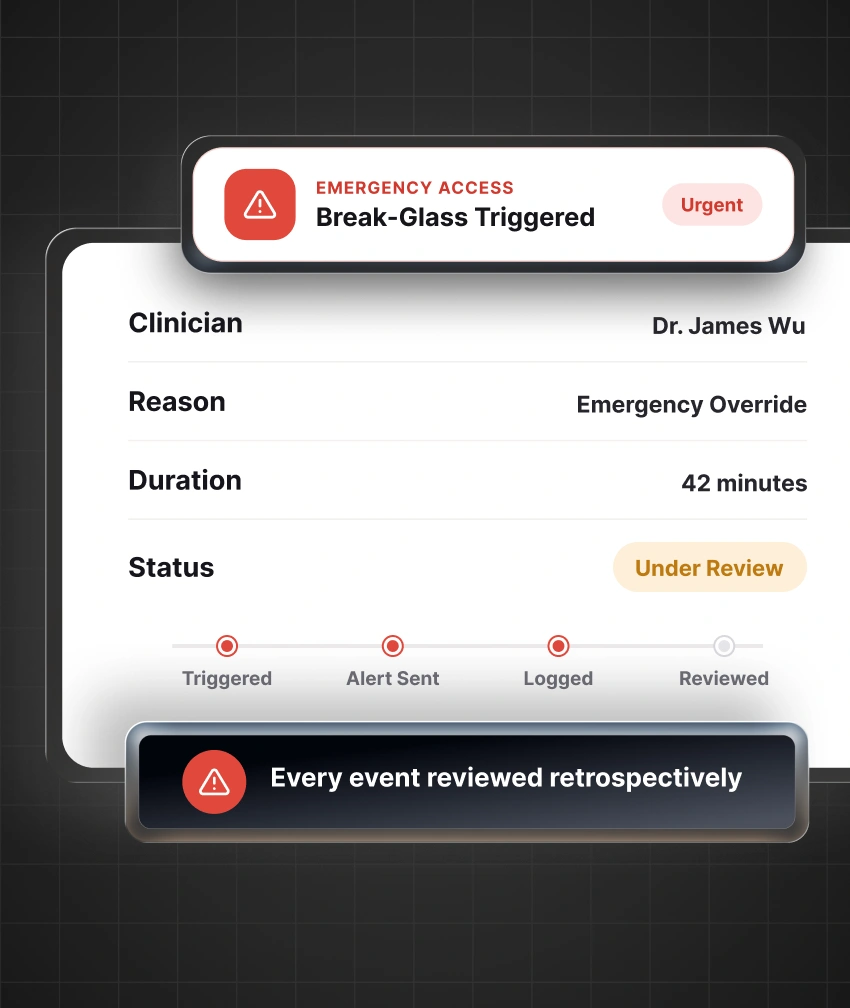
Break-glass access supports urgent treatment, but teams often lack timely alerts and follow-up reviews for each event.
Disconnected records make it difficult to provide complete access histories and approval records during OCR investigations and HITRUST assessments.
Healthcare identity governance manages who gets access to patient data, what they can access, and how long they should retain that access. It covers clinicians, nurses, administrators, contractors, vendors, and other identities across hospitals, clinics, EHRs, and healthcare applications.
miniOrange IGA manages their identity lifecycle from onboarding and role changes to access reviews and offboarding. It strengthens access management while helping healthcare organizations meet HIPAA, HITECH, HITRUST CSF, SOC 2, and other requirements.
One connected workflow keeps every clinician's access rights from first shift to final day.

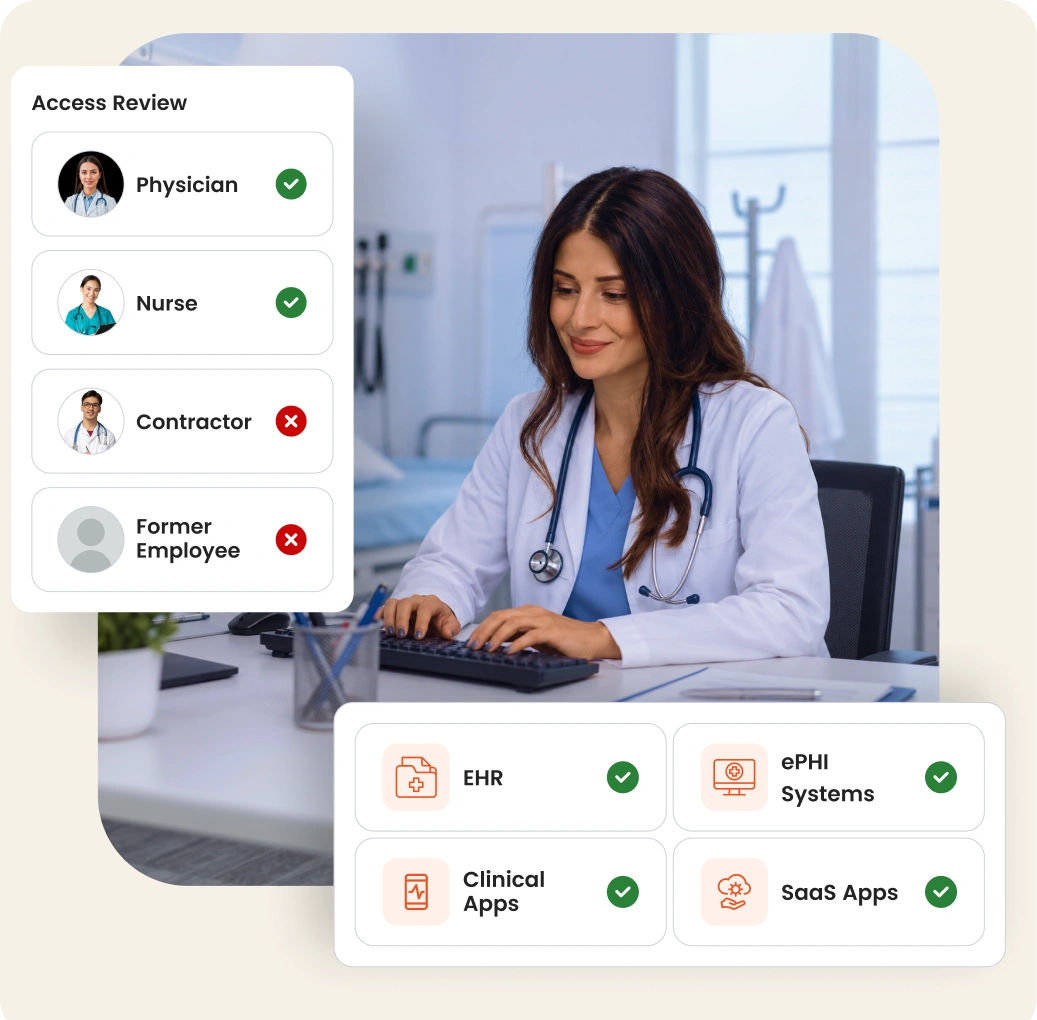
Get one clear view of every identity, clinical role, and entitlement.

Provision, update, and remove access from HR and credentialing events.

Let managers review EHR templates and ePHI access on a defined schedule.

Every approval and review is captured as ready-to-share audit evidence.
A complete IGA platform for healthcare, shaped around how clinical teams manage people and patient data.

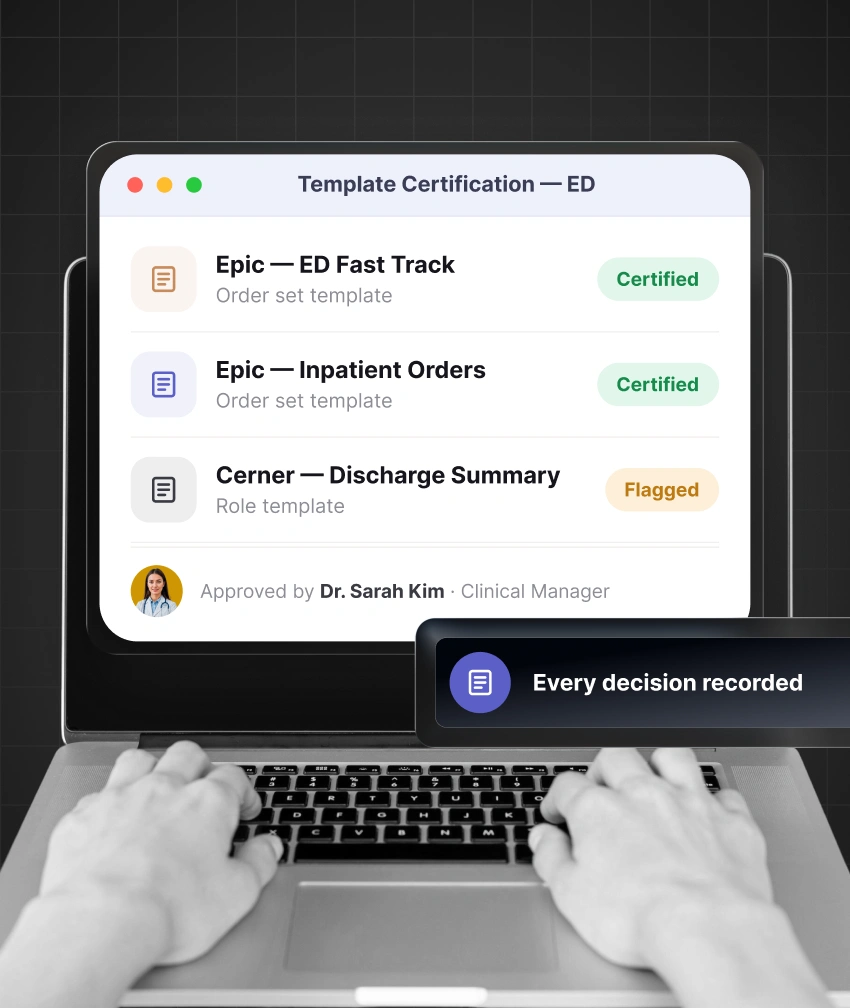
Govern EHR templates, roles, and entitlements directly, so access to the systems holding the most ePHI is provisioned, reviewed, and revoked with the same rigor as everything else.

Drive access from HR and credentialing events so physicians, nurses, and staff have the right EHR and clinical system access before their first shift, with no over-granting under deadline pressure.

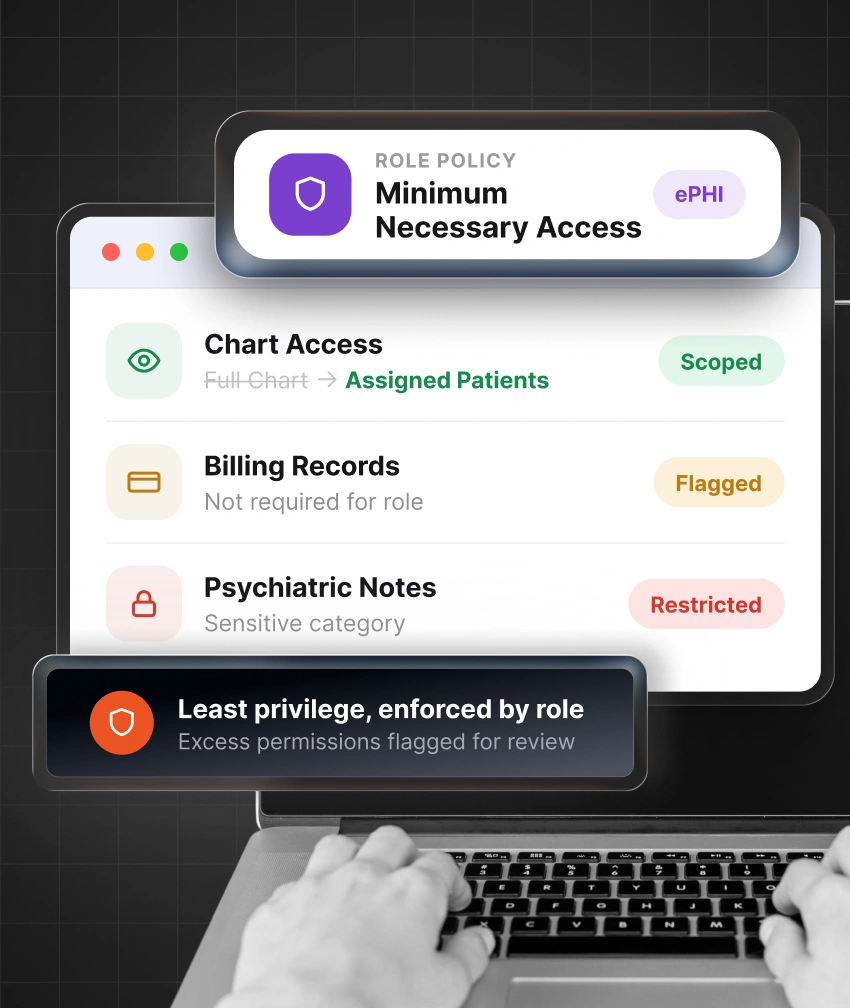
Turn the minimum necessary standard into enforceable, role-based policy. Map each clinical role to required ePHI permissions, flag exceptions with expiry and justification, and prevent permission drift.

Keep emergency access fast for patient safety while wrapping it in the controls HIPAA expects: automatic alerts, enhanced logging, and mandatory retrospective review of every break-glass event.

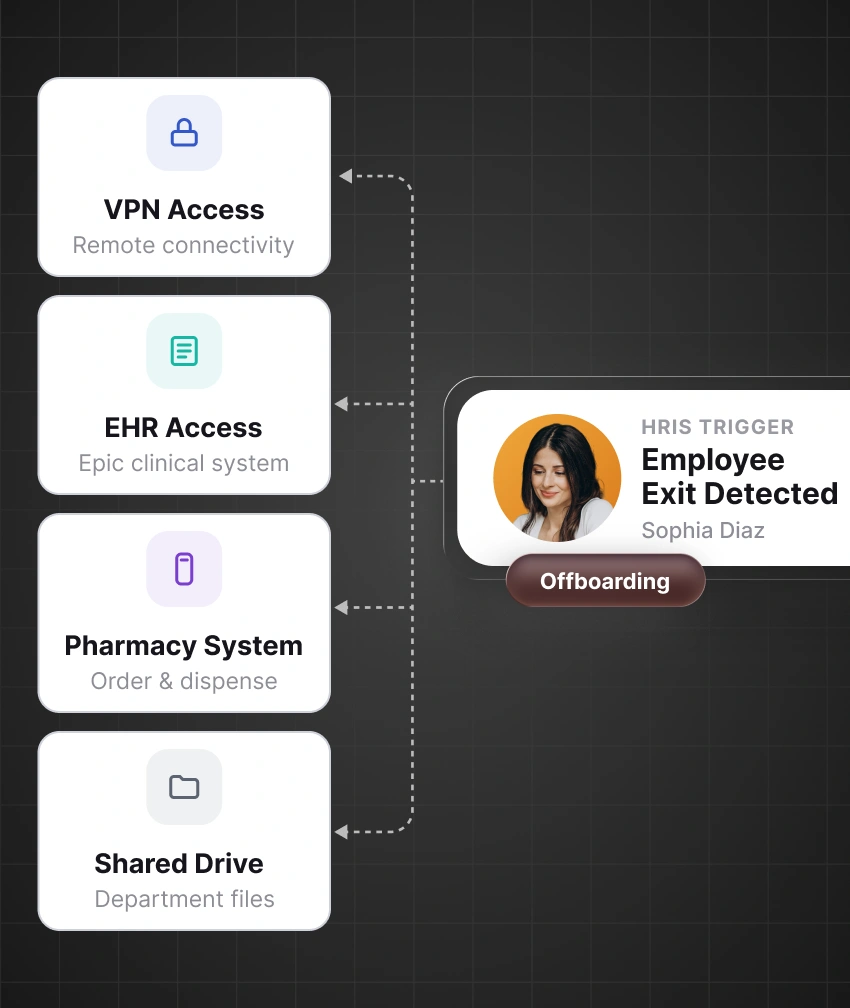
Deactivate access across EHR and downstream systems the moment someone leaves, then continuously sweep for orphaned accounts left behind by turnover, rotations, and clinic acquisitions.

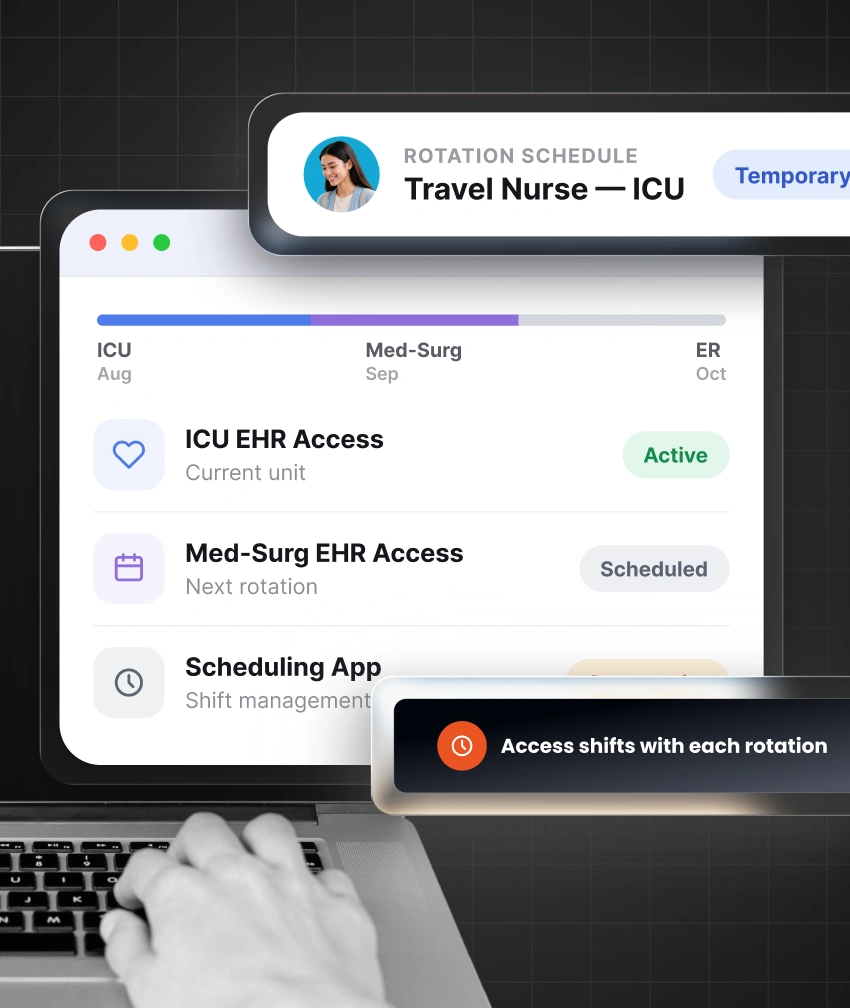
Manage travel nurses, residents, students, affiliated physicians, and locums with sponsored, time-bound identities that expire automatically at the end of the rotation or contract.

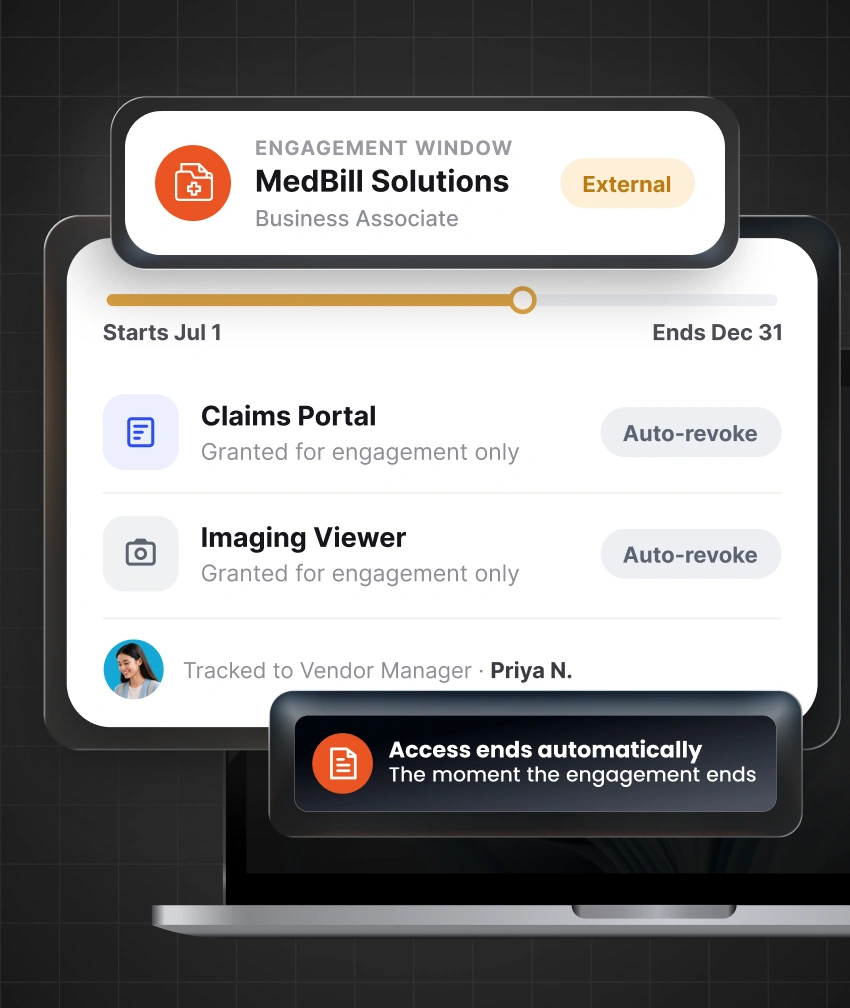
Give vendors, business associates, and support engineers time-bound, purpose-limited access to systems holding ePHI. Align permissions with BAA requirements instead of relying on standing credentials.

Generate evidence mapped to HIPAA Security Rule access controls and HITRUST CSF requirements on demand: complete access histories, review sign-offs, and termination proof, ready for OCR or your assessor.
Connect your applications and govern access across the full identity lifecycle.
Link Epic, Cerner, Oracle Health, MEDITECH, HR, and credentialing systems.
Align each clinical role with the access its responsibilities require.
Update permissions as clinicians join, transfer, rotate, or leave.
Recertify EHR templates and ePHI access on a set schedule.
Store approvals and decisions for audits and compliance reviews.
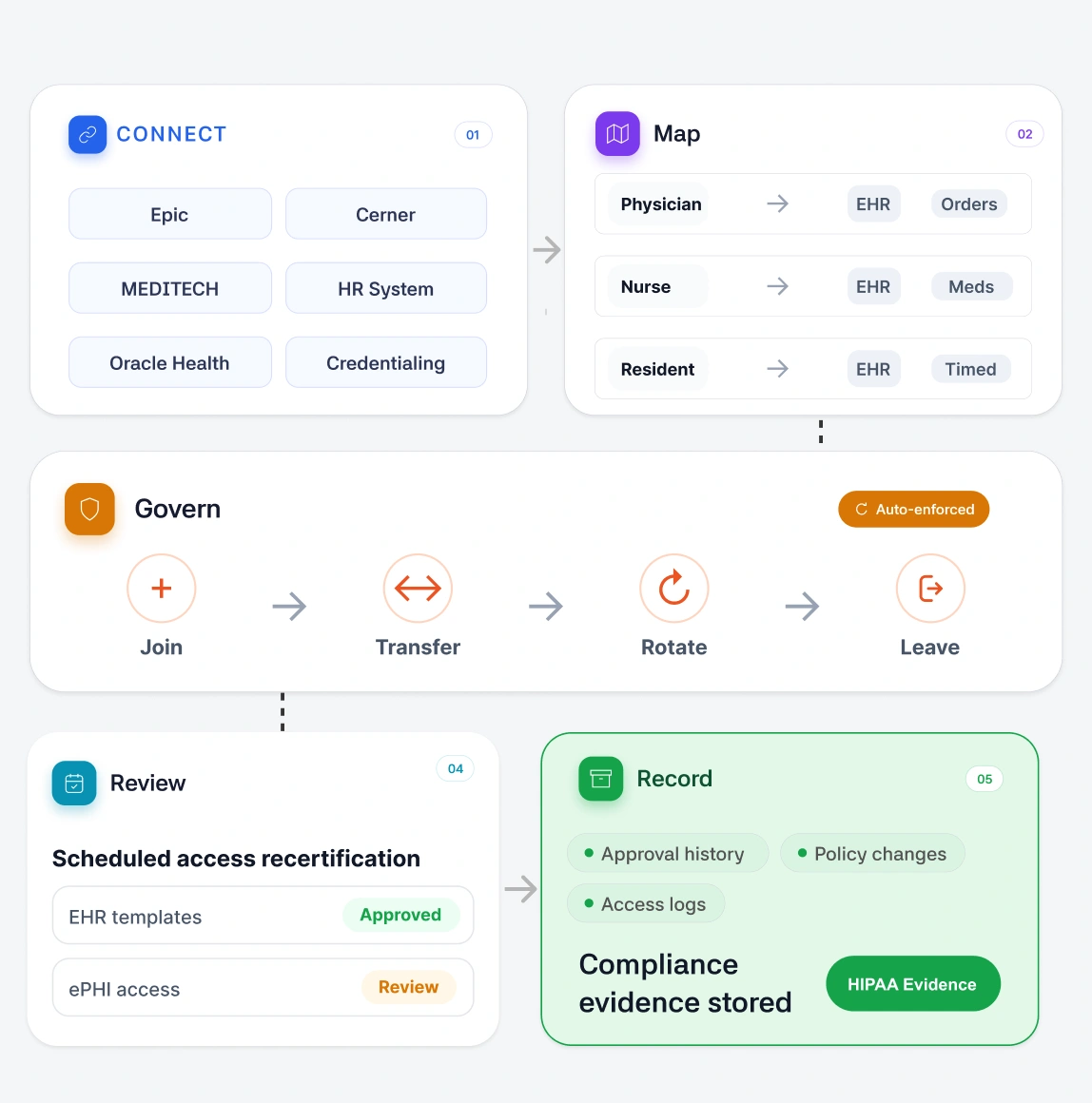
See how teams govern access across onboarding, workforce changes, and patient data.
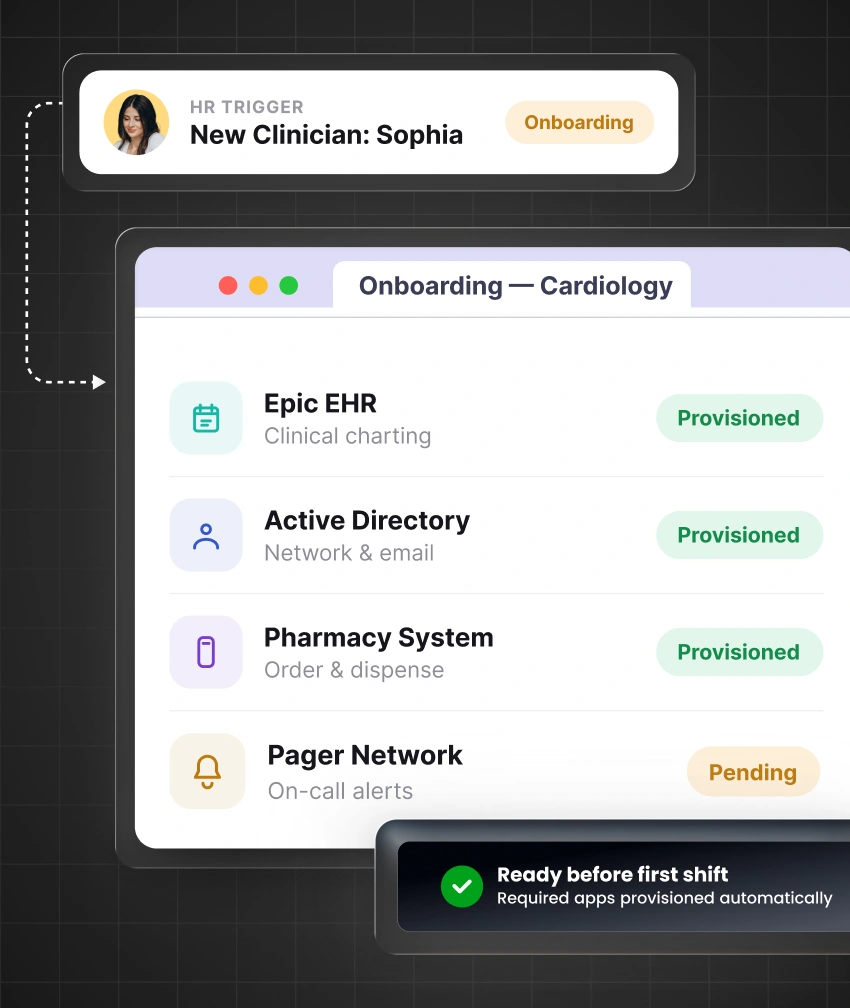
Get physicians and nurses into required applications before their first shift through HR and credentialing events.
miniOrange IGA supports identity and access controls across key healthcare regulations and security frameworks.
View Compliance Frameworks
Healthcare Privacy
ePHI Security

Healthcare Security

Type II

ISMS

Substance Use Records

Cybersecurity

Patient Data Privacy
Apply deep identity security expertise to the access, compliance, and workforce challenges of regulated healthcare environments.
Start governing identities in weeks instead of committing to the multi-quarter implementation cycles associated with legacy IGA platforms.
Enforce minimum-necessary access across requests, approvals, and reviews so patient privacy stays central to every decision.
Access identity and security specialists 24/7 when your team needs help managing critical access workflows.
Choose a cloud or hybrid deployment model based on your infrastructure, security requirements, and operations.
Connect EHRs, clinical applications, HR, and credentialing platforms through integrations built for your healthcare environment.
Healthcare identity governance is how you control who can reach patient data, what they can do with it, and how long that access lasts. It manages the full identity lifecycle, from onboarding and role changes to access reviews and offboarding, across your EHR and clinical systems.
IGA supports HIPAA access controls through least privilege, role-based permissions, access reviews, lifecycle workflows, and access records. These controls help healthcare teams manage ePHI access and produce evidence for compliance assessments.
Yes, miniOrange IGA supports access governance for Epic, Oracle Health (Cerner), and MEDITECH. It also connects EHR permissions with HR and credentialing workflows.
miniOrange IGA supports non-employee identities with defined roles and time-bound permissions. Teams can manage travel nurses, students, affiliated physicians, and locums based on their assignment or contract.
No, emergency access remains available when patient care requires it. miniOrange IGA adds alerts, detailed logging, and retrospective reviews to maintain oversight of each break-glass event.
Healthcare identity governance adds clinical context to standard IGA. It accounts for EHR access, clinical roles, rotating staff, minimum necessary access, and break-glass workflows, so access aligns with how healthcare teams actually work.