Hello there!
Need Help? We are right here!

Need Help? We are right here!
Search Results:
×Redmine SSO (Single Sign-On) is a method that provides secure Single Sign-On access into Redmine using a single set of login credentials. With miniOrange's SSO services, along with Redmine you can also login into other On-Premise and Cloud Applications using your existing Identity Providers/User Store.
With miniOrange Redmine SSO, you can:
miniOrange offers free help through a consultation call with our System Engineers to Install or Setup Redmine SSO solution in your environment with 30-day free trial.
For this, you need to just send us an email at idpsupport@xecurify.com to book a slot and we'll help you in no time.
miniOrange Redmine SAML integration supports the following features:
miniOrange provides user authentication from various external sources, which can be Directories (like ADFS, Microsoft Active Directory, OpenLDAP, AWS etc), Identity Providers (like Microsoft Entra ID, Okta, AWS), and many more. You can configure your existing directory/user store or add users in miniOrange.
Click here to check out the redmine installation steps.
plugins/redmine_omniauth_saml/init.rb file.RAILS_ENV=production bundle exec rake redmine:pluginssample-saml-initializers.rb file from plugins
to~redmine_root_directory/config/intializers/.
Rename file tosaml.rb (name doesn’t matter as long as file is ruby file).
This saml.rb file is used for configuring saml sso with miniorange as mentioned below.config/initializers/saml.rb in the redmine root directory.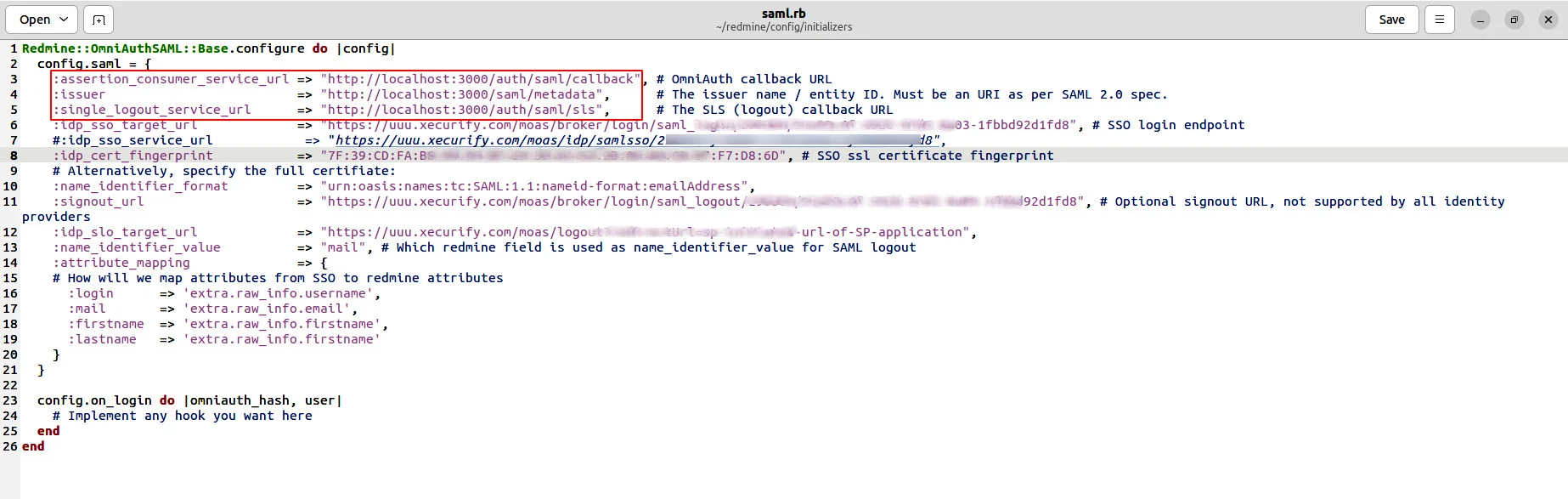
saml.rb file you can update the following urls : assertion_consumer_service_url, issuer, single_logout_service url, which will be required in step 1 while configuring Redmine with miniOrange.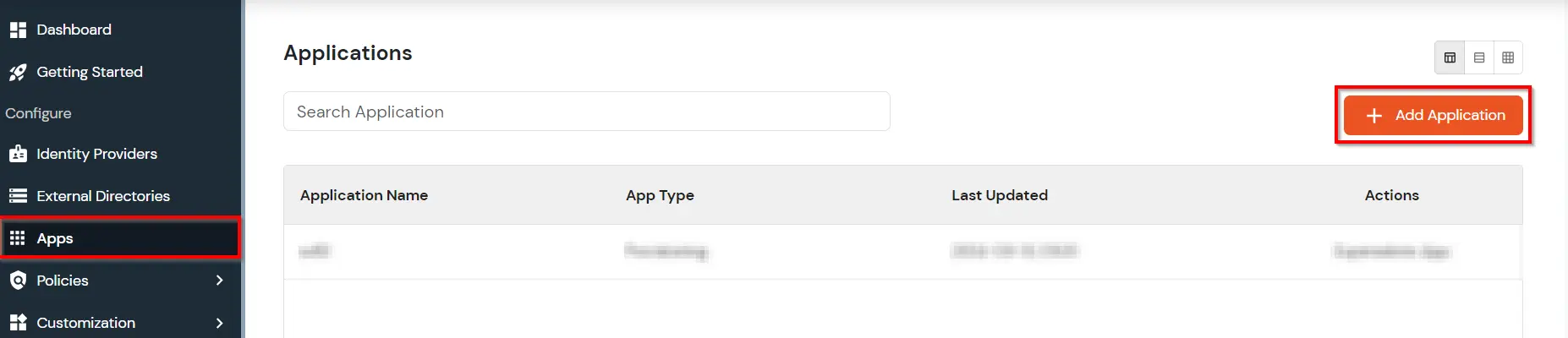
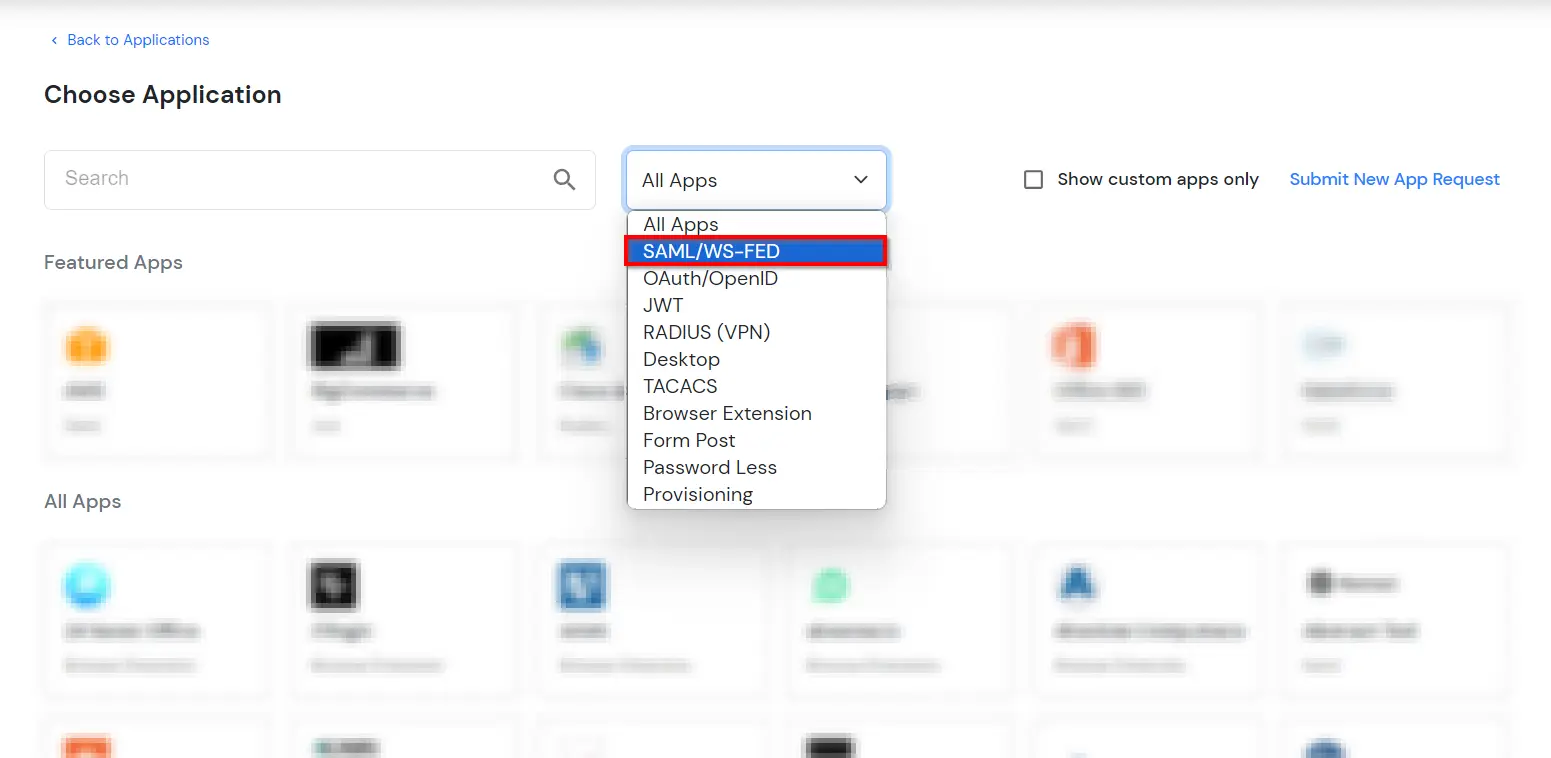
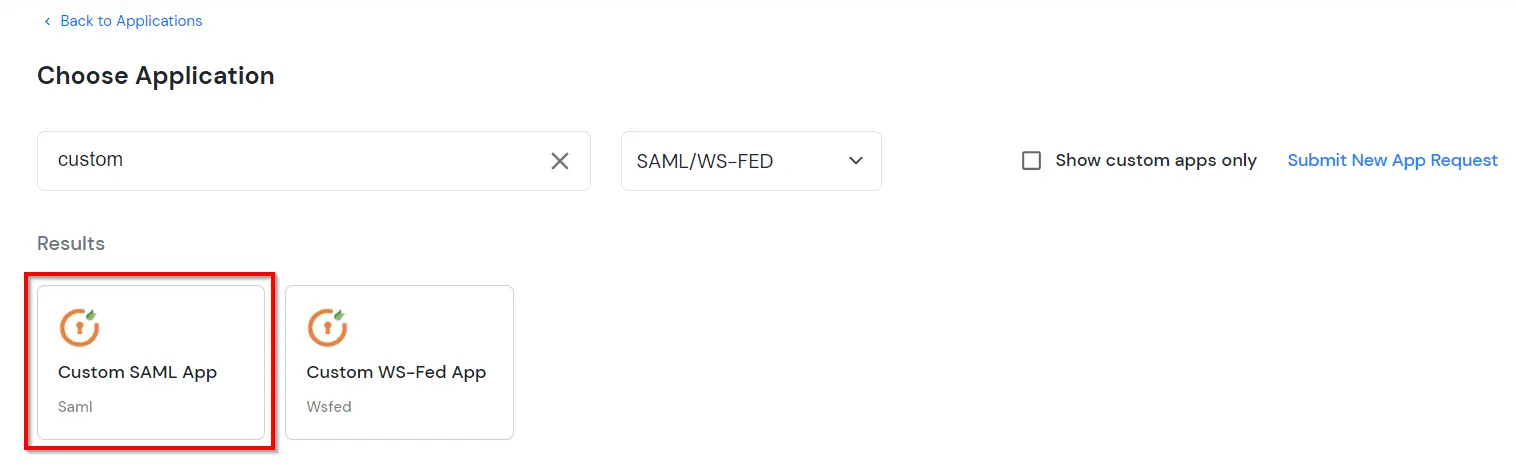
http://localhost:3000/saml/metadatahttp://localhost:3000/auth/saml/callbackhttp://localhost:3000/auth/saml/slsNote: The http://localhost:3000 should be replaced by your redmine site url.
| Source (saml.rb file) | Destination (saml.rb file only) |
|---|---|
| single_logout_service_url | signout_url |
| single_logout_service_url | idp_slo_target_url |
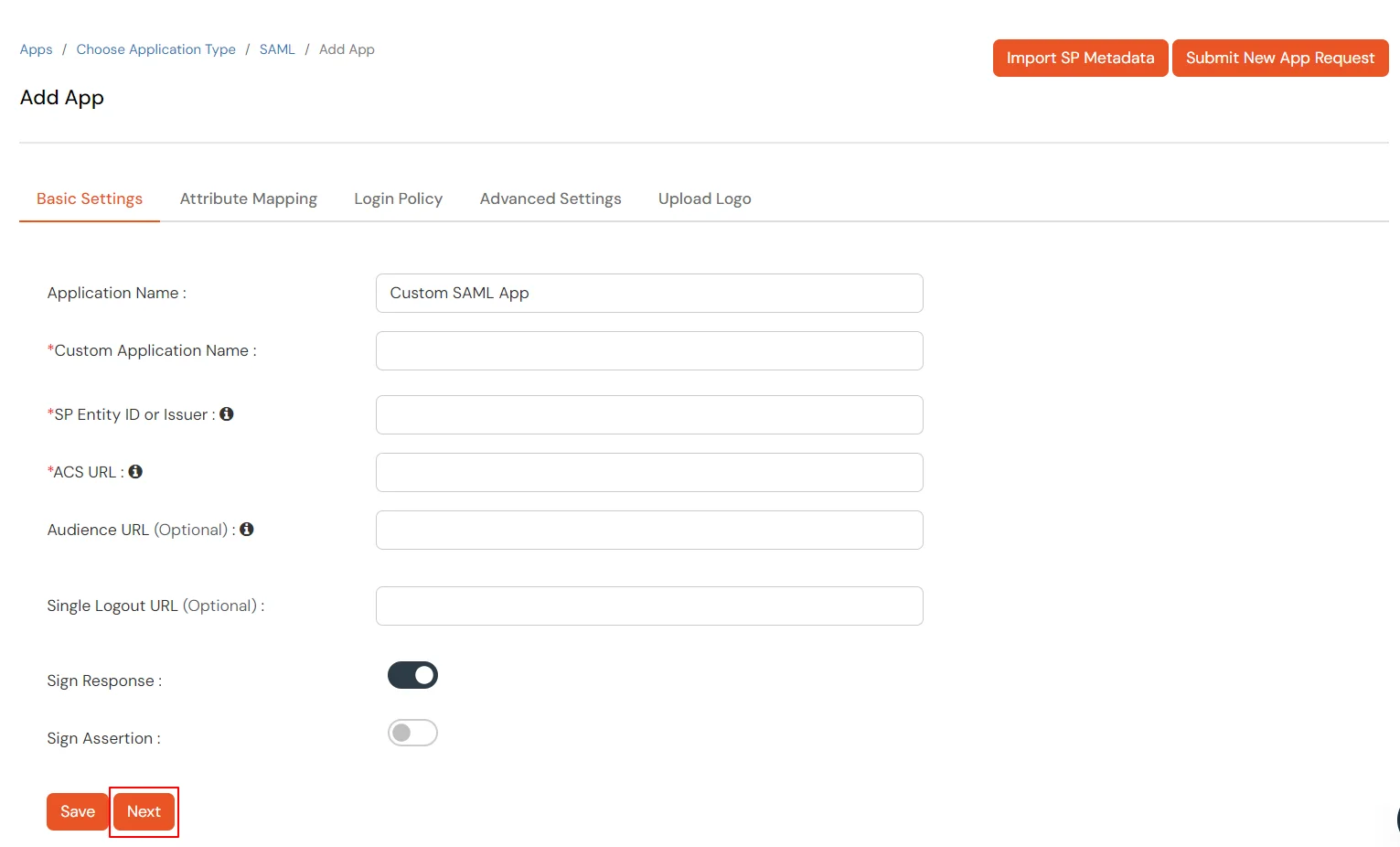
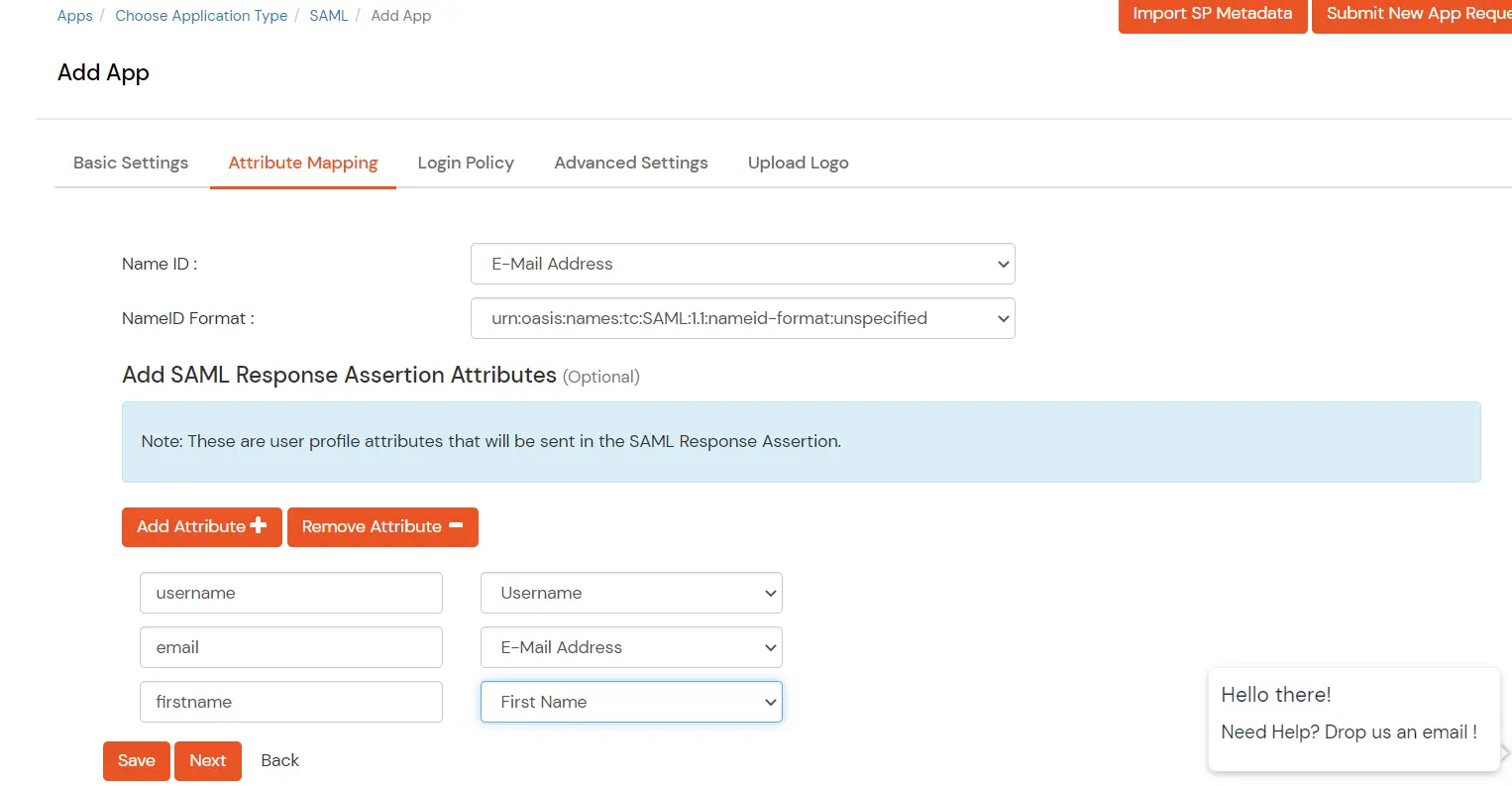
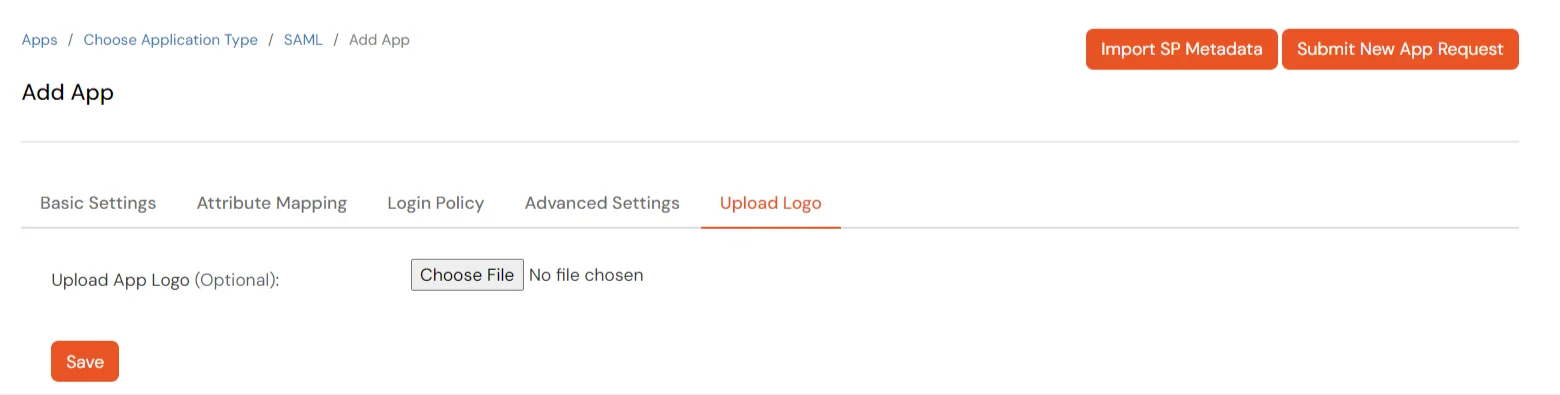
To get miniOrange metadata details in order to configure Datto:
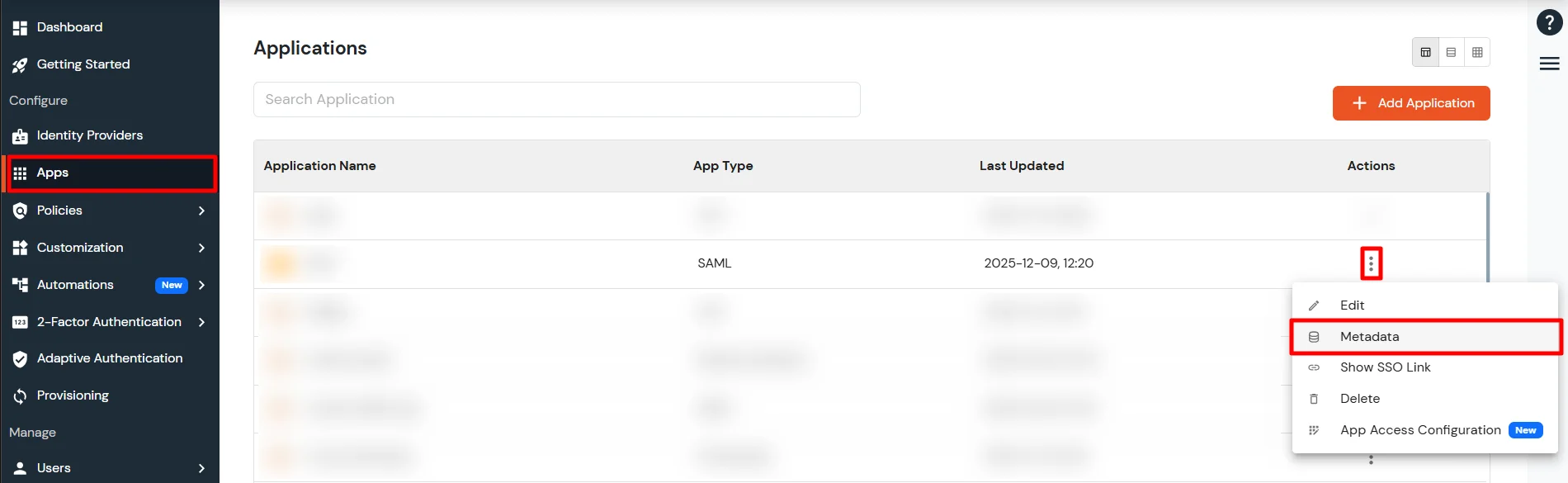
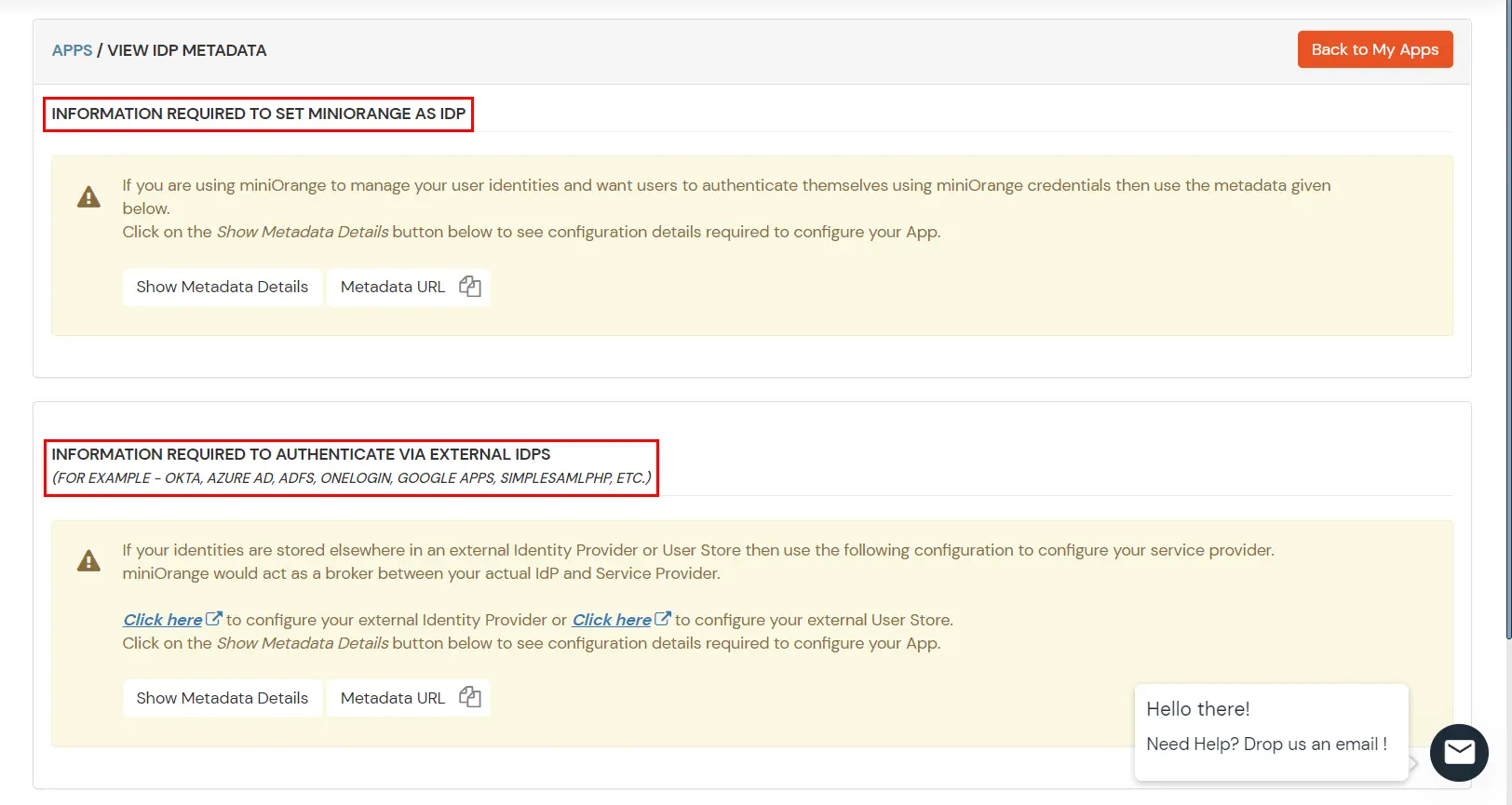
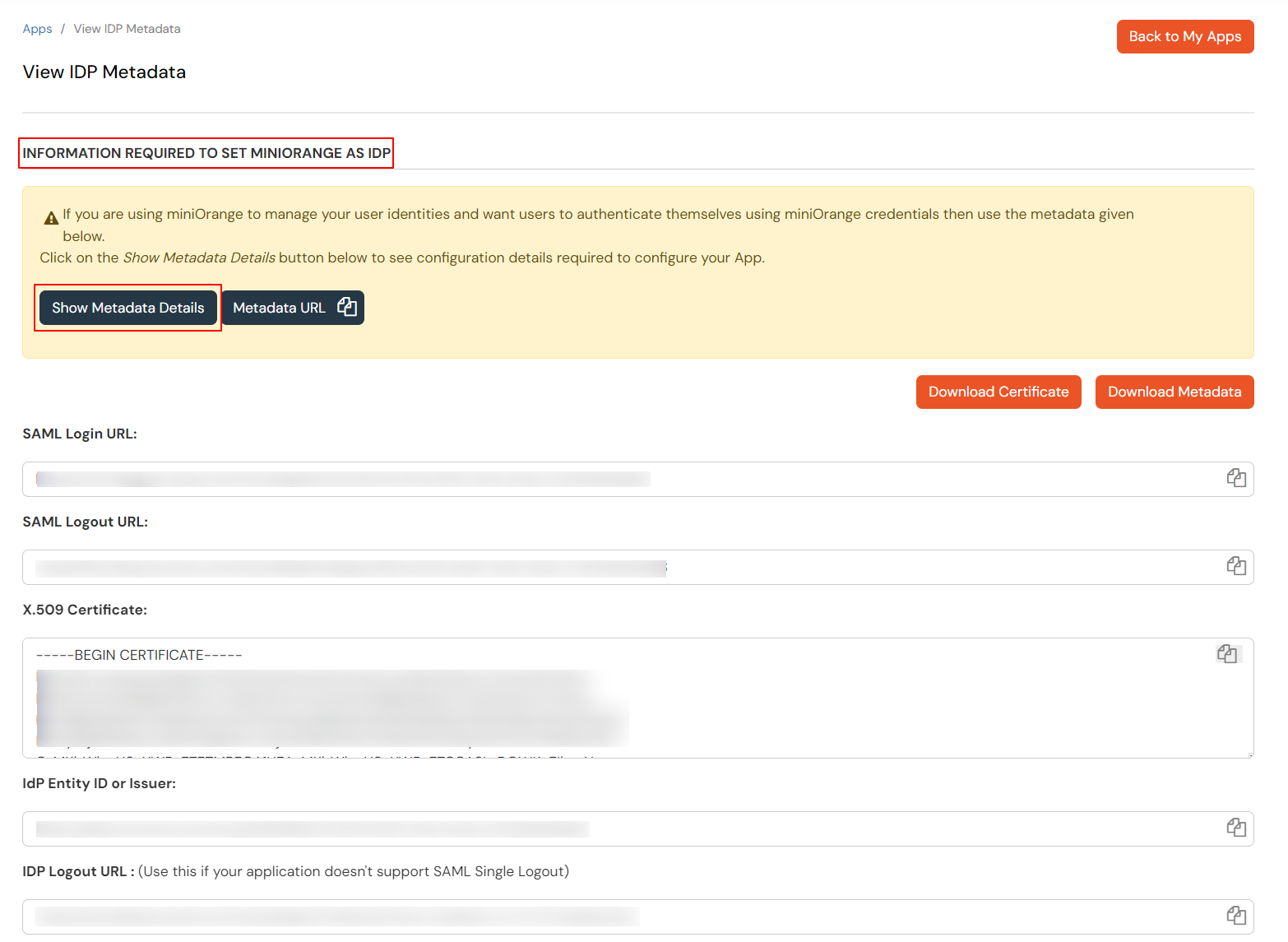
config/initializers/saml.rb in the redmine root directory.saml.rb file in redmine.| Source (miniOrange metadata) | Destination (saml.rb file in redmine) |
|---|---|
| SAML Login URL | idp_sso_target_url |
| X.509 Certificate | idp_cert_fingerprint |
idp_cert_fingerprint in saml.rb file.
idp_cert and comment out fingerprint line.:idp_cert => "-----Paste your miniorange cert fingerprint here-----"Note : Make sure certificate is string format if going for second one.
Finally, we set up our redmine and did SSO with the redmine omniauth SAML plugin.
Test SSO login to your Redmine account with miniOrange IdP:
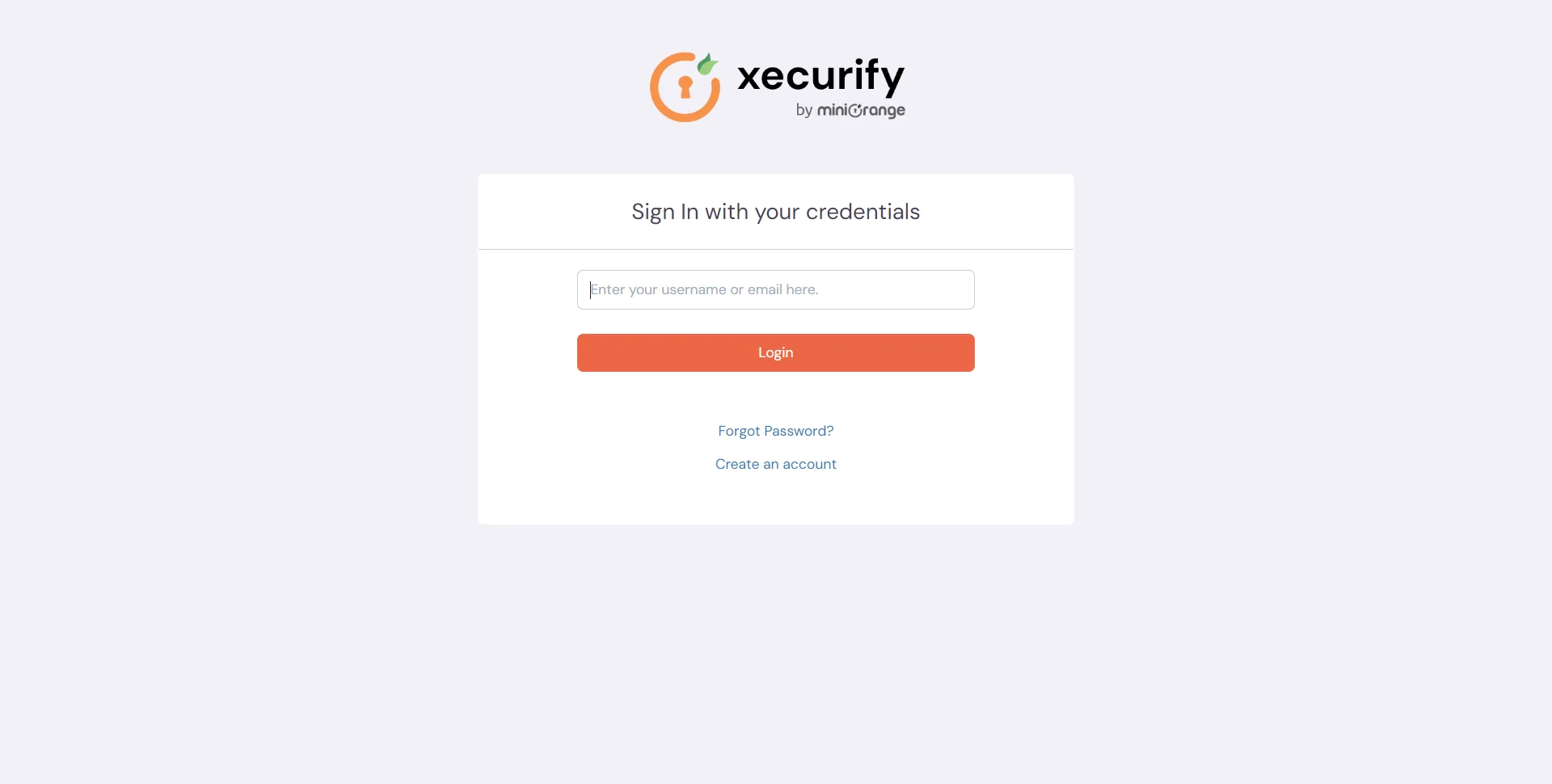
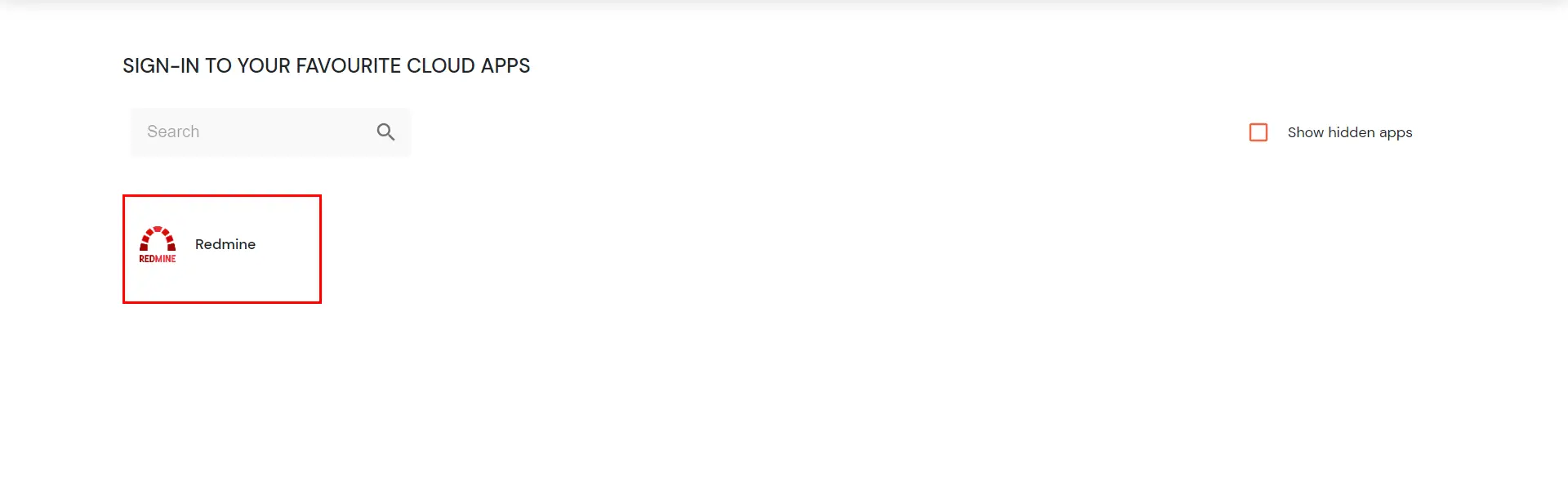
Contact us or email us at idpsupport@xecurify.com and we'll help you setting it up in no time.
miniOrange provides user authentication from various external sources, which can be Directories (like ADFS, Microsoft Active Directory, Microsoft Entra ID, OpenLDAP, Google, AWS Cognito etc), Identity Providers (like Okta, Shibboleth, Ping, OneLogin, KeyCloak), Databases (like MySQL, Maria DB, PostgreSQL) and many more. You can configure your existing directory/user store or add users in miniOrange.
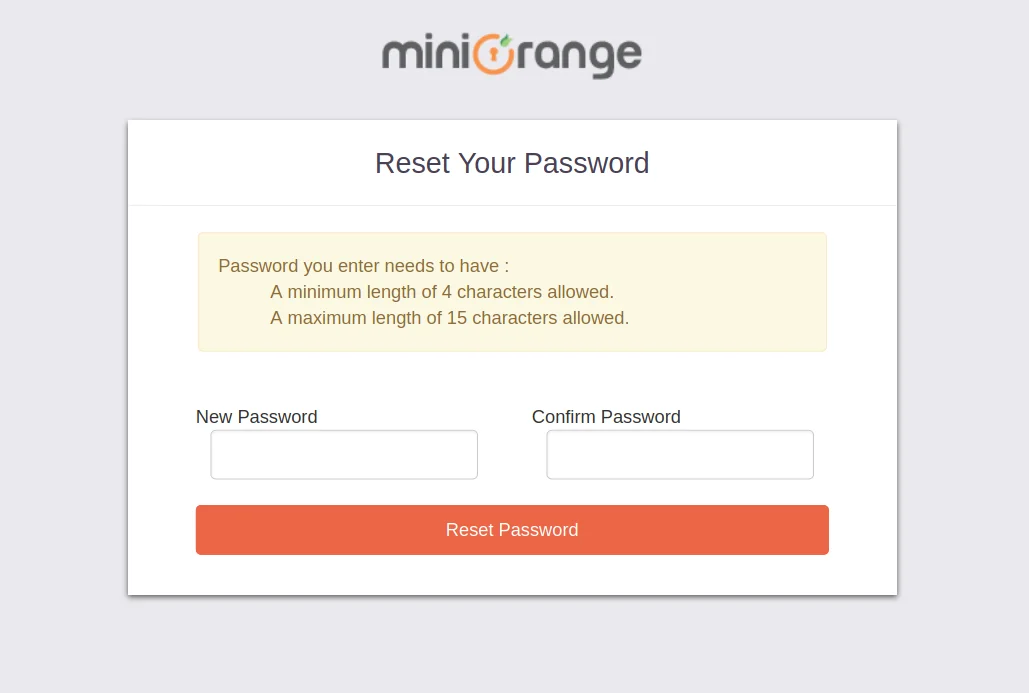
1. Create User in miniOrange
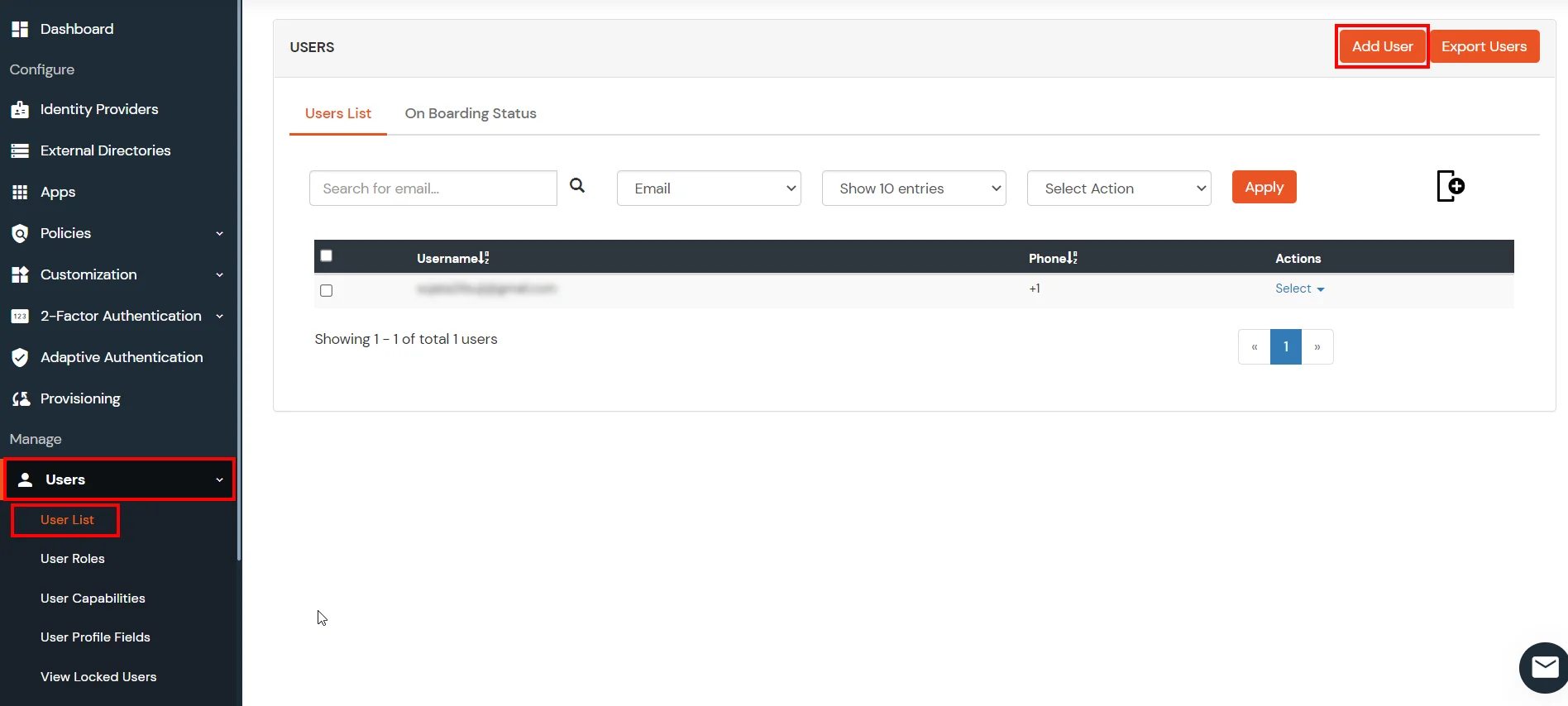
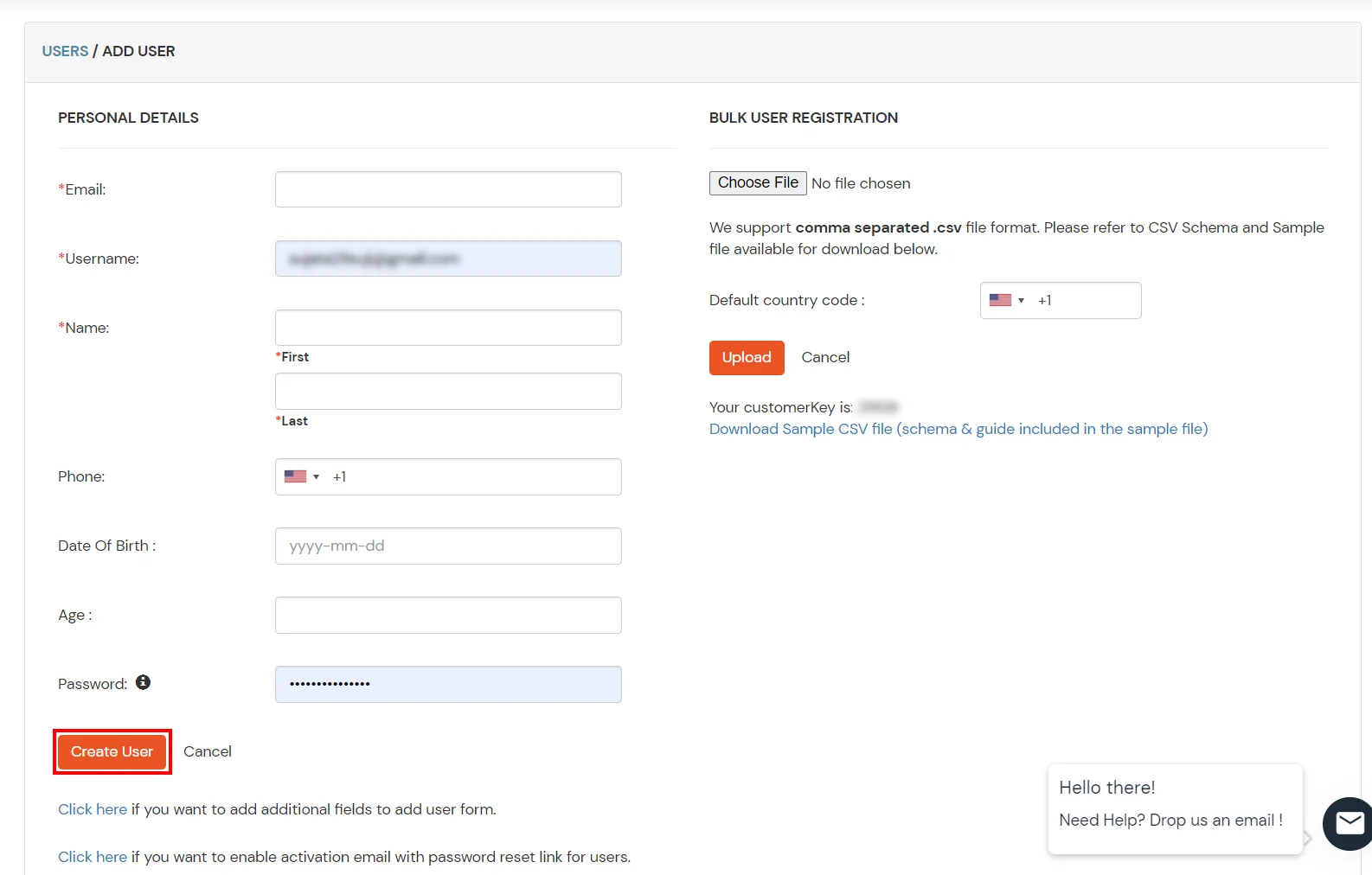
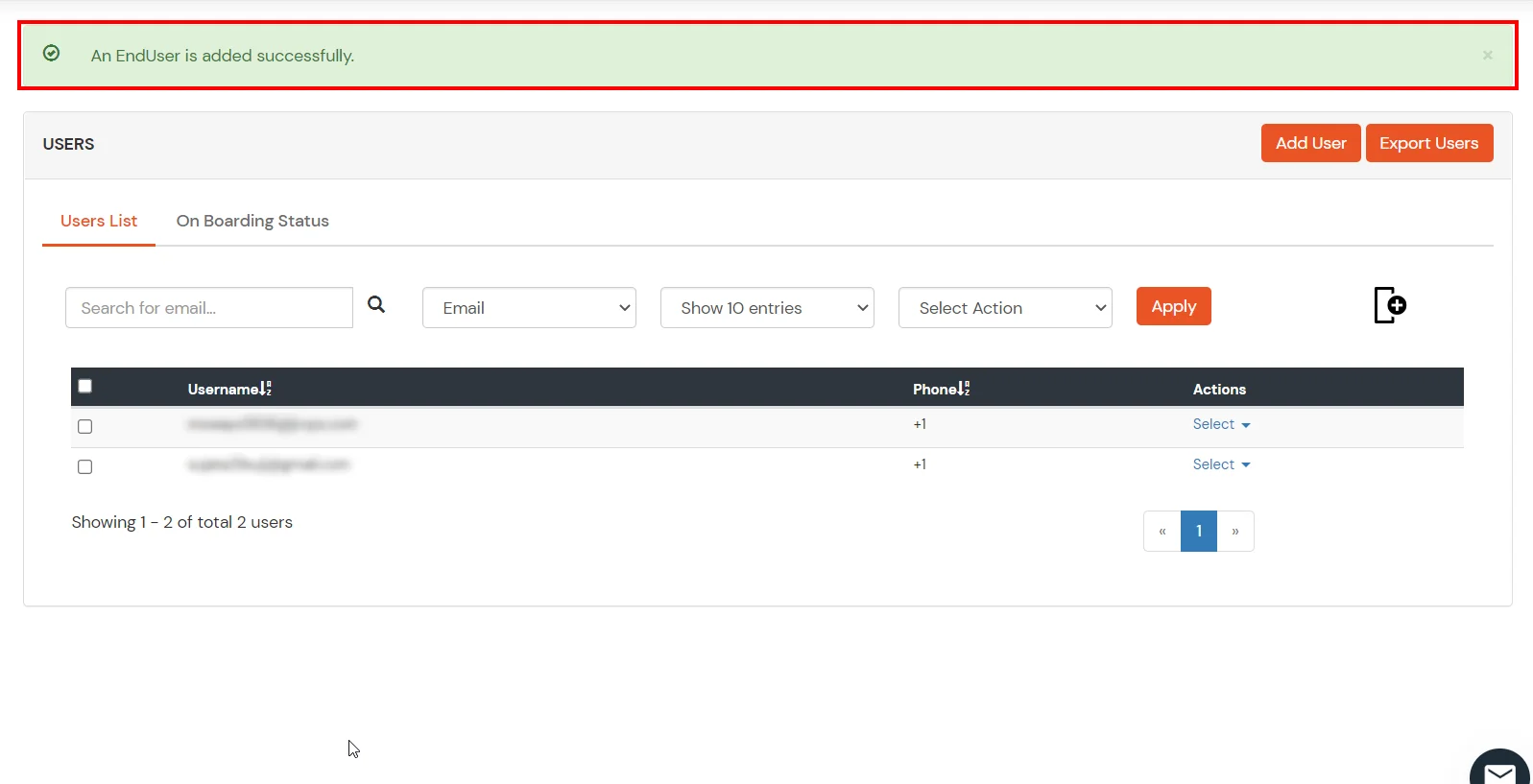
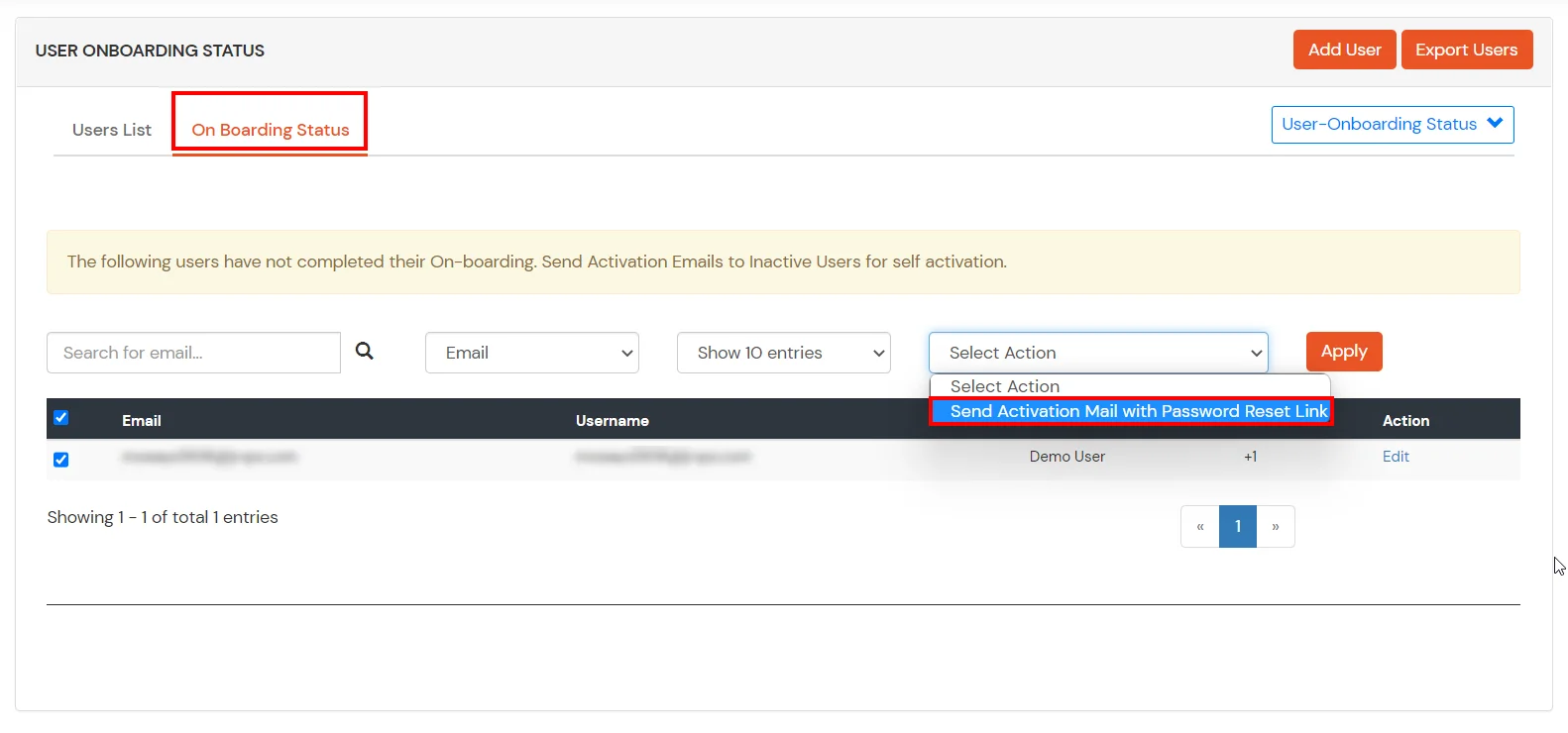
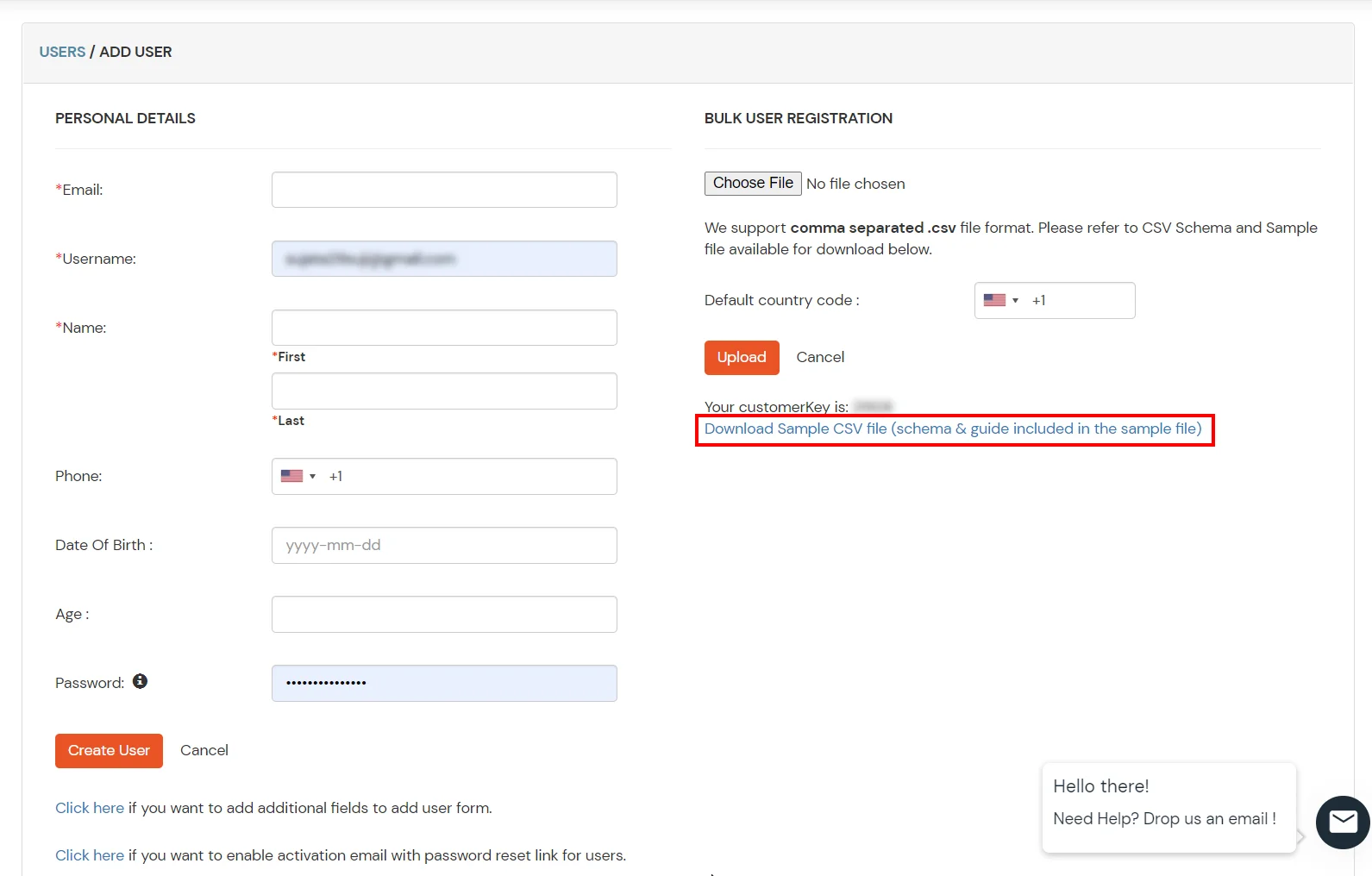
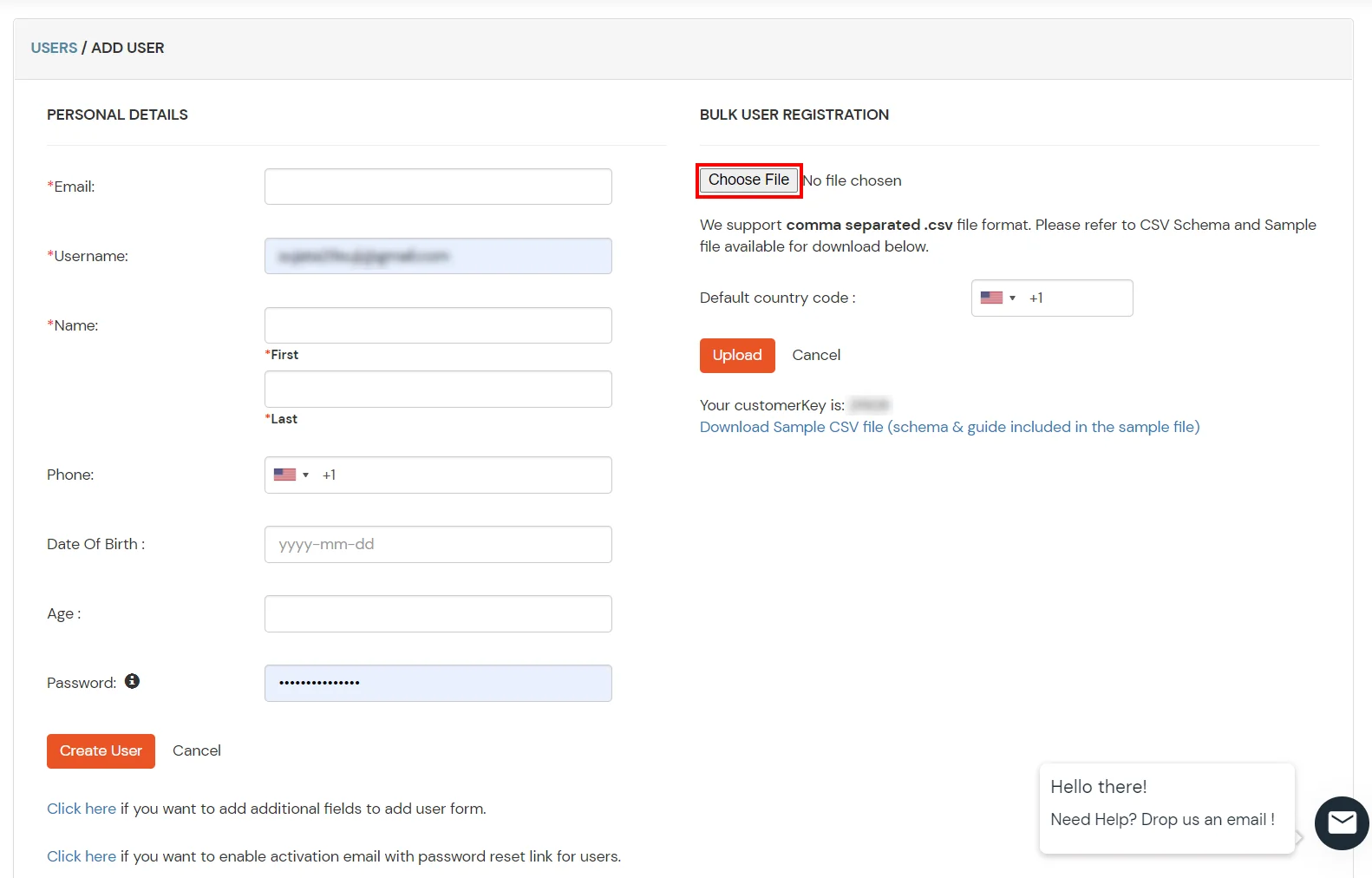
2. Bulk Upload Users in miniOrange via Uploading CSV File.
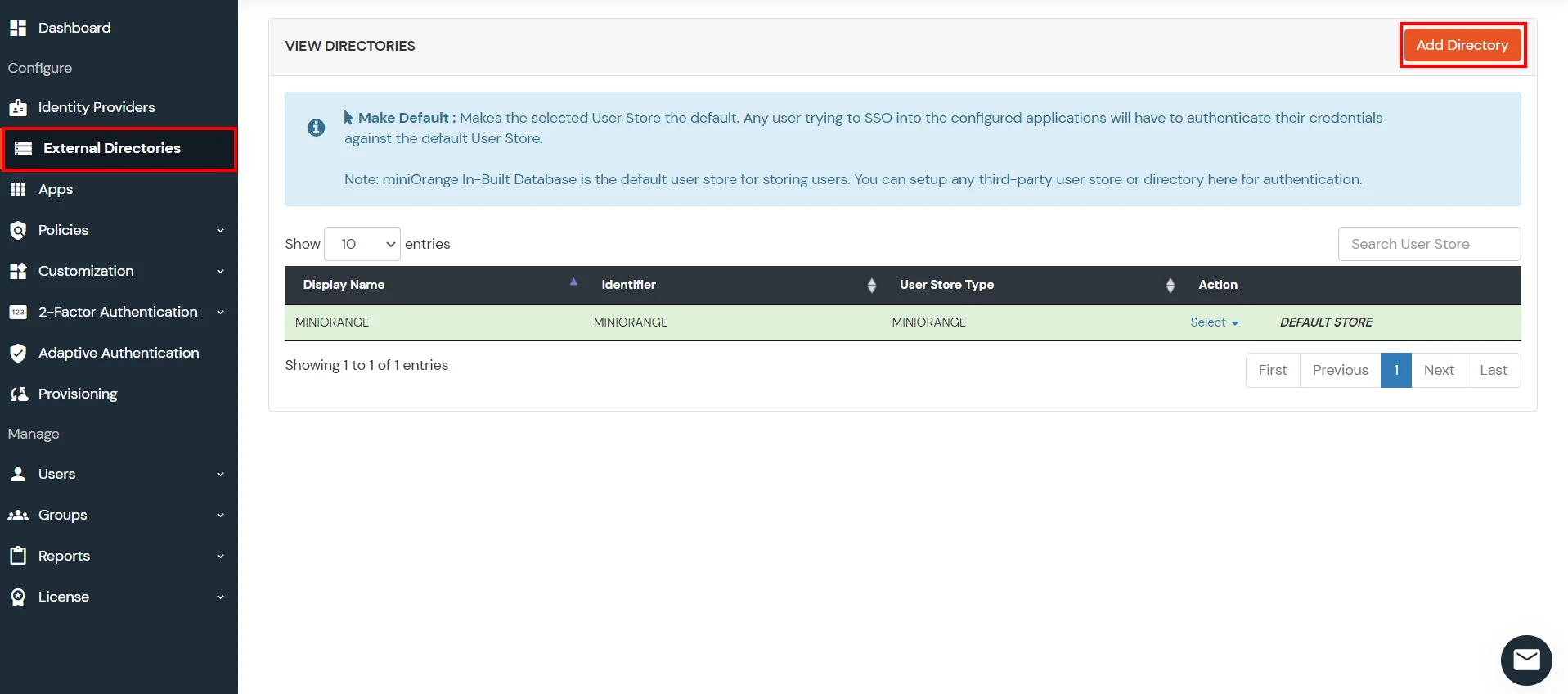
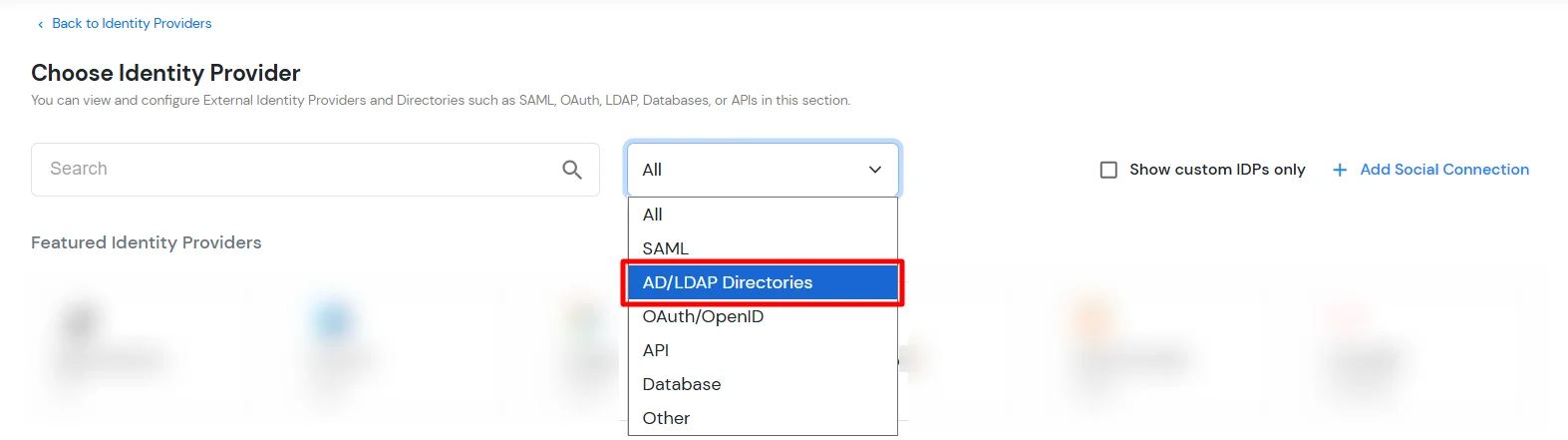
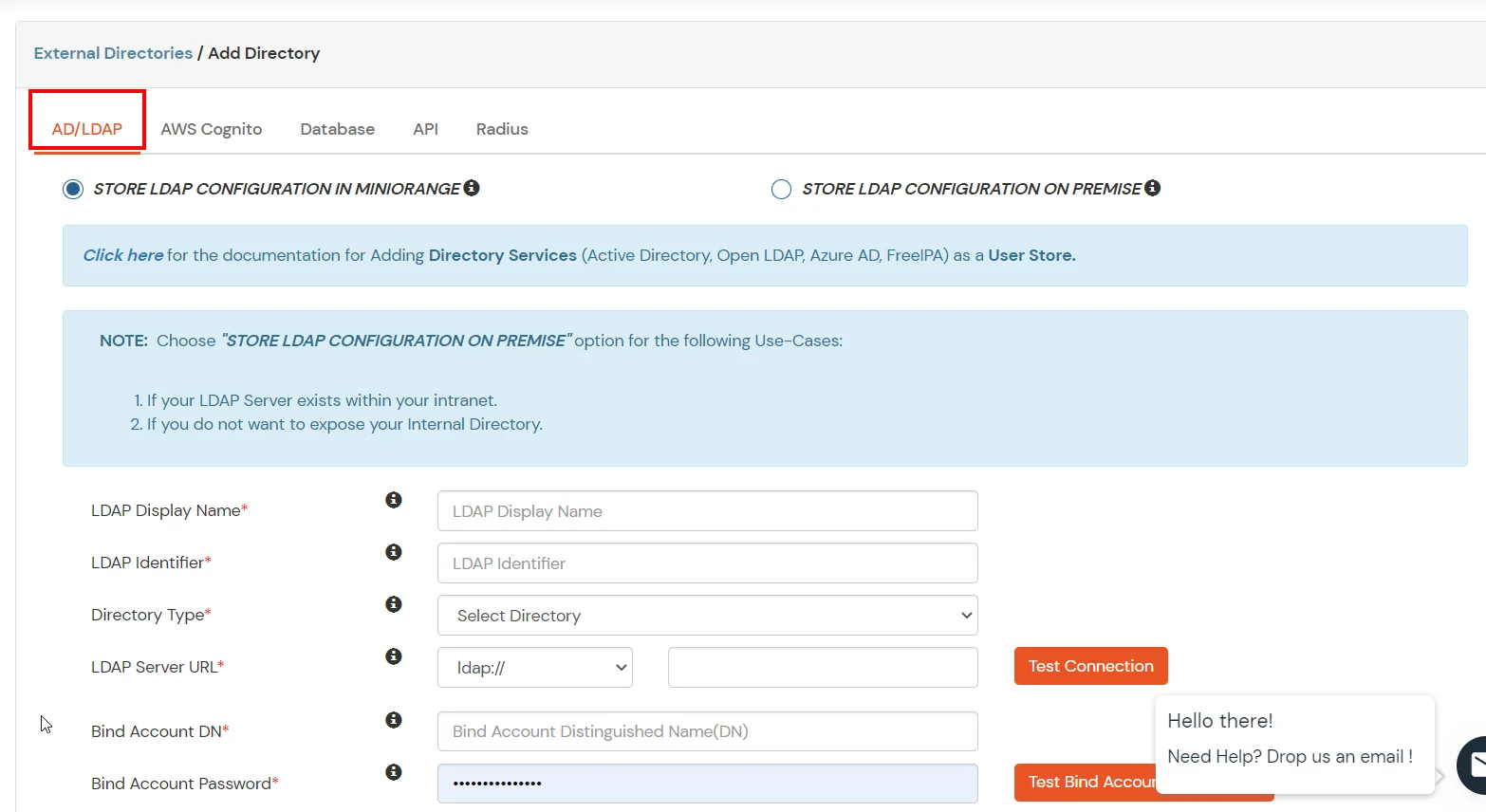
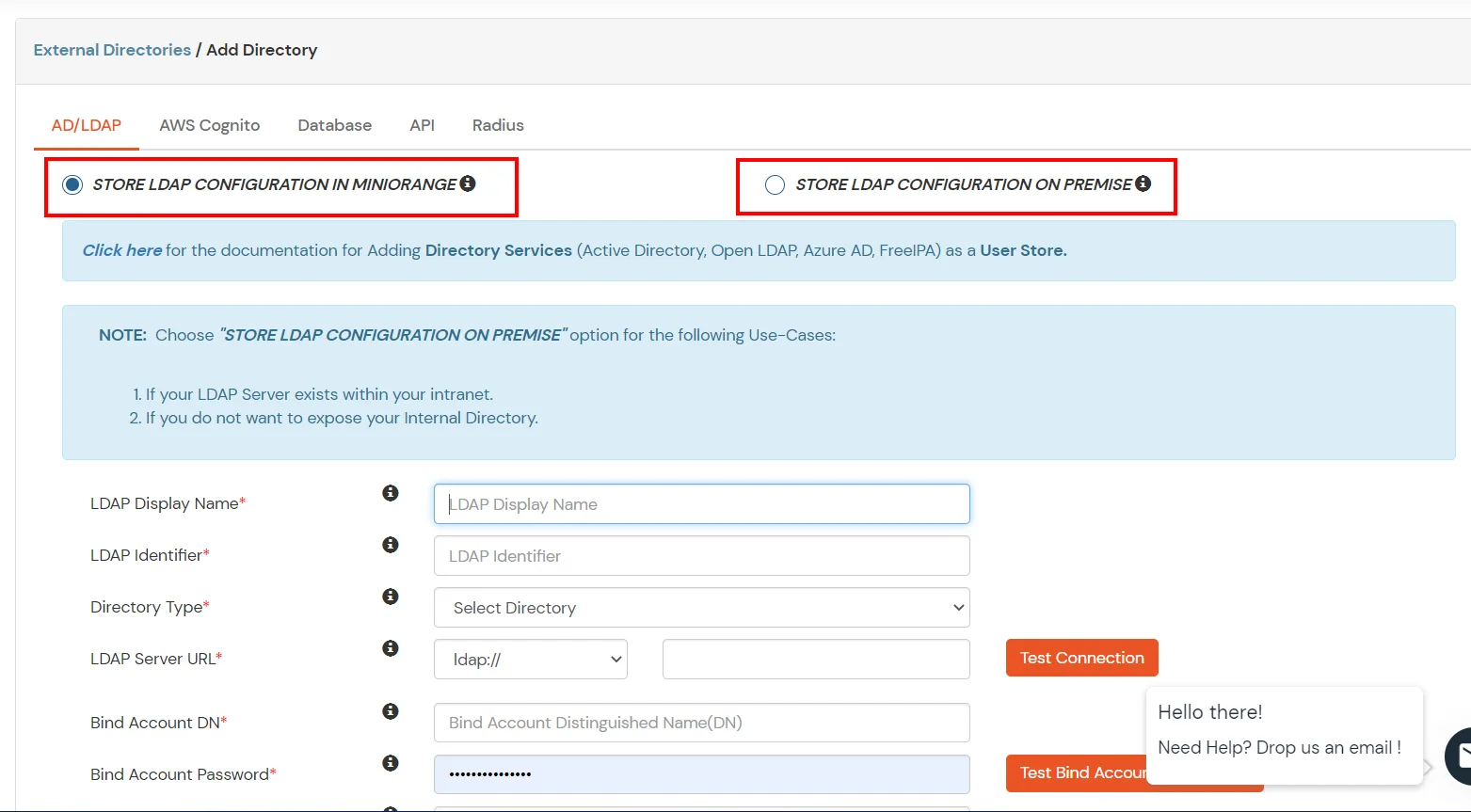
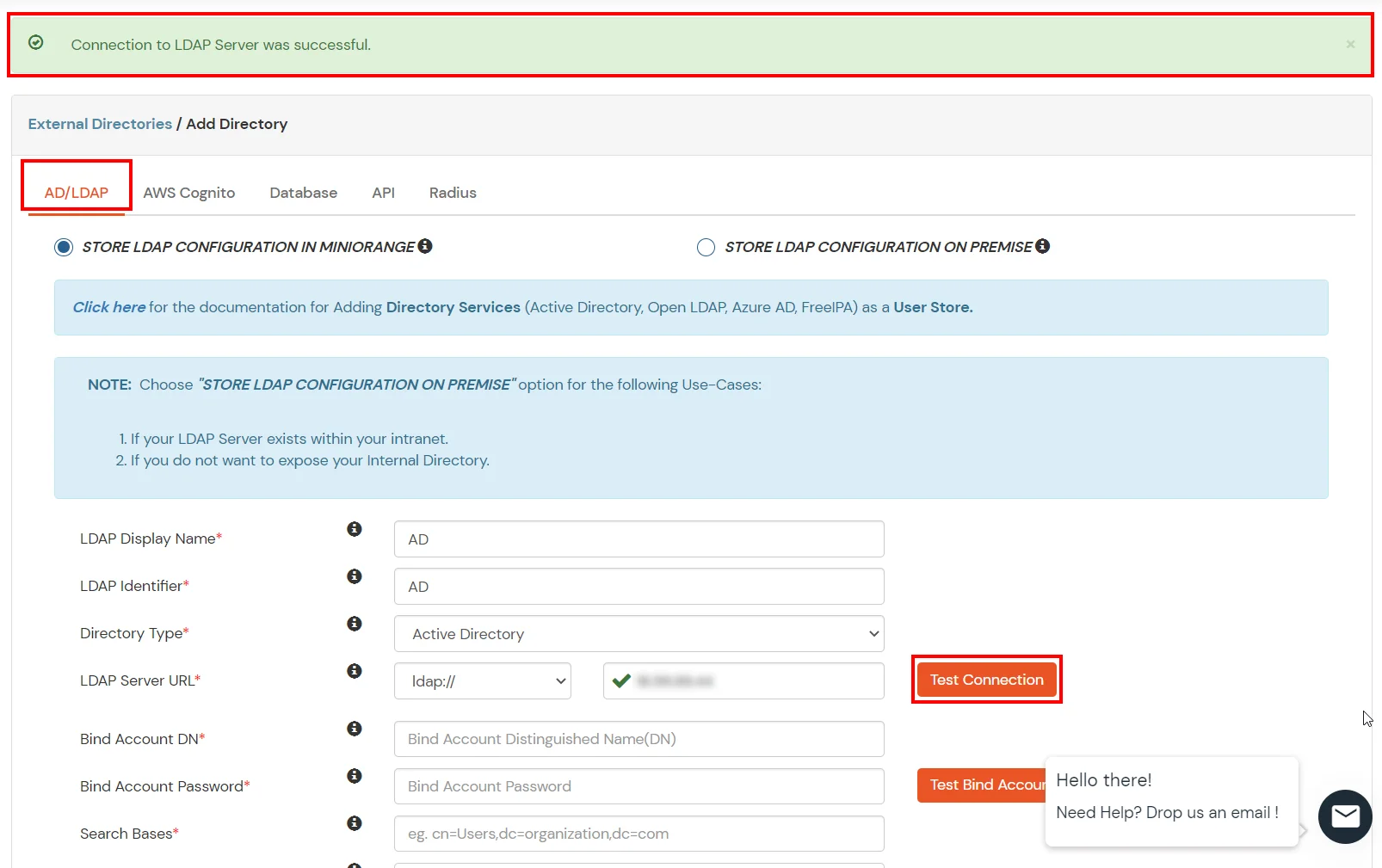
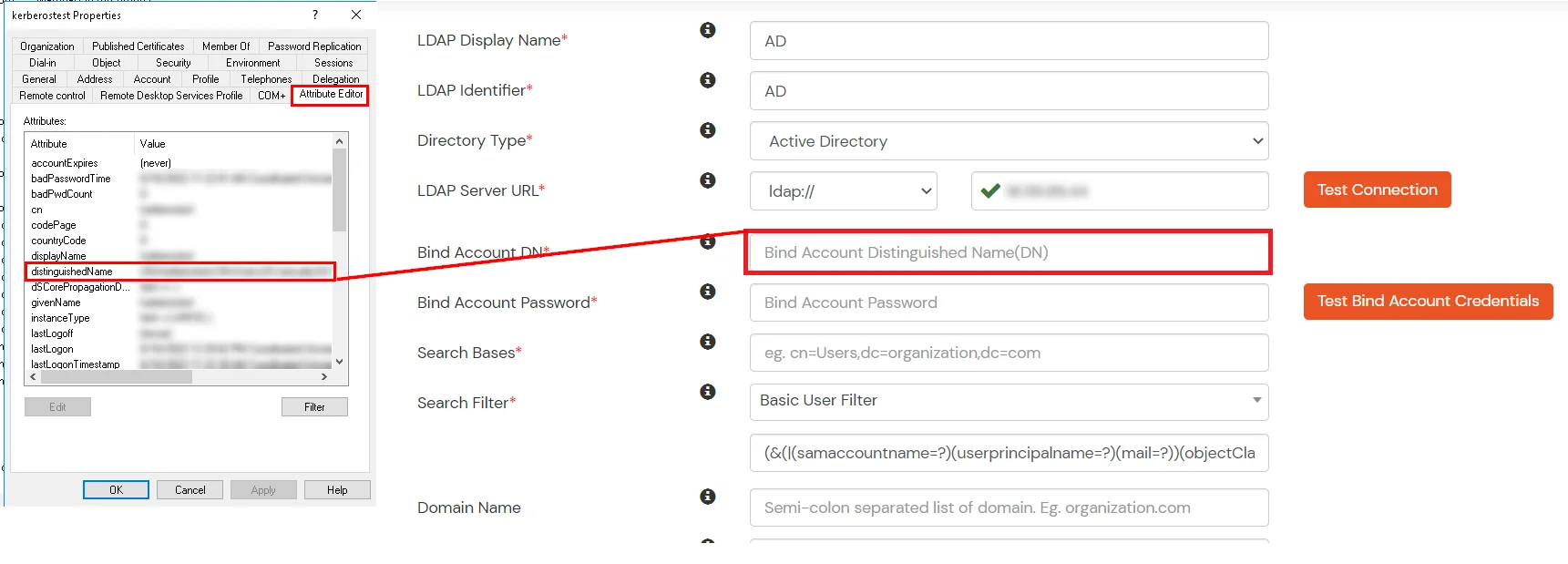
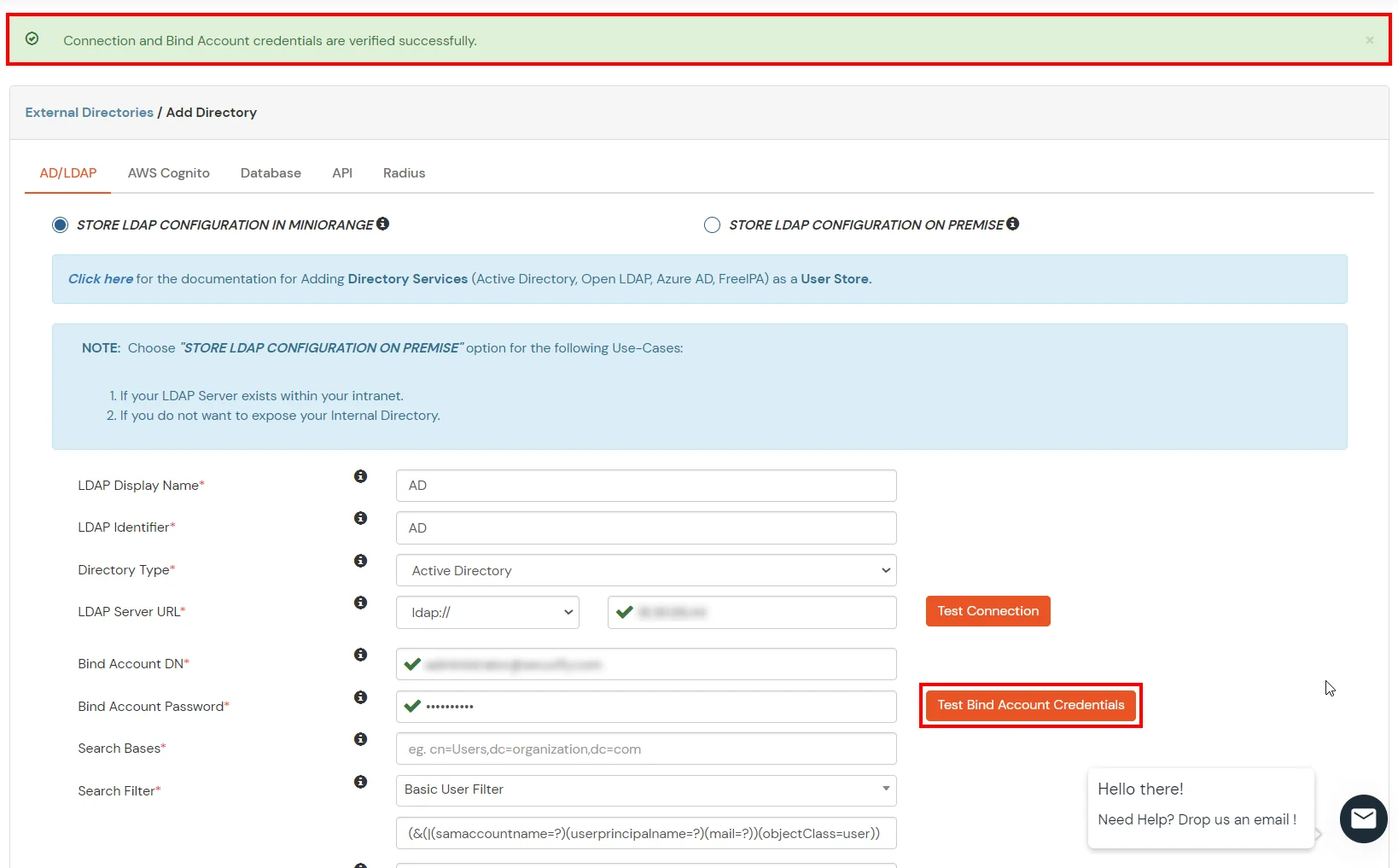
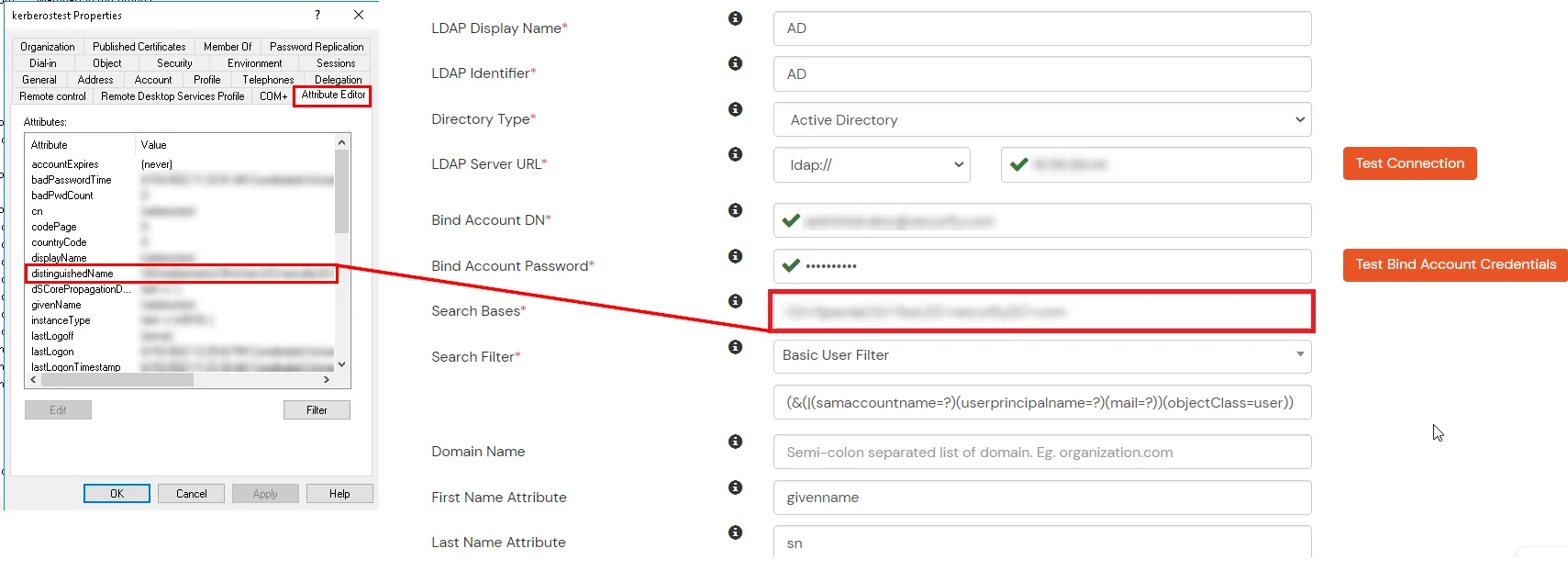
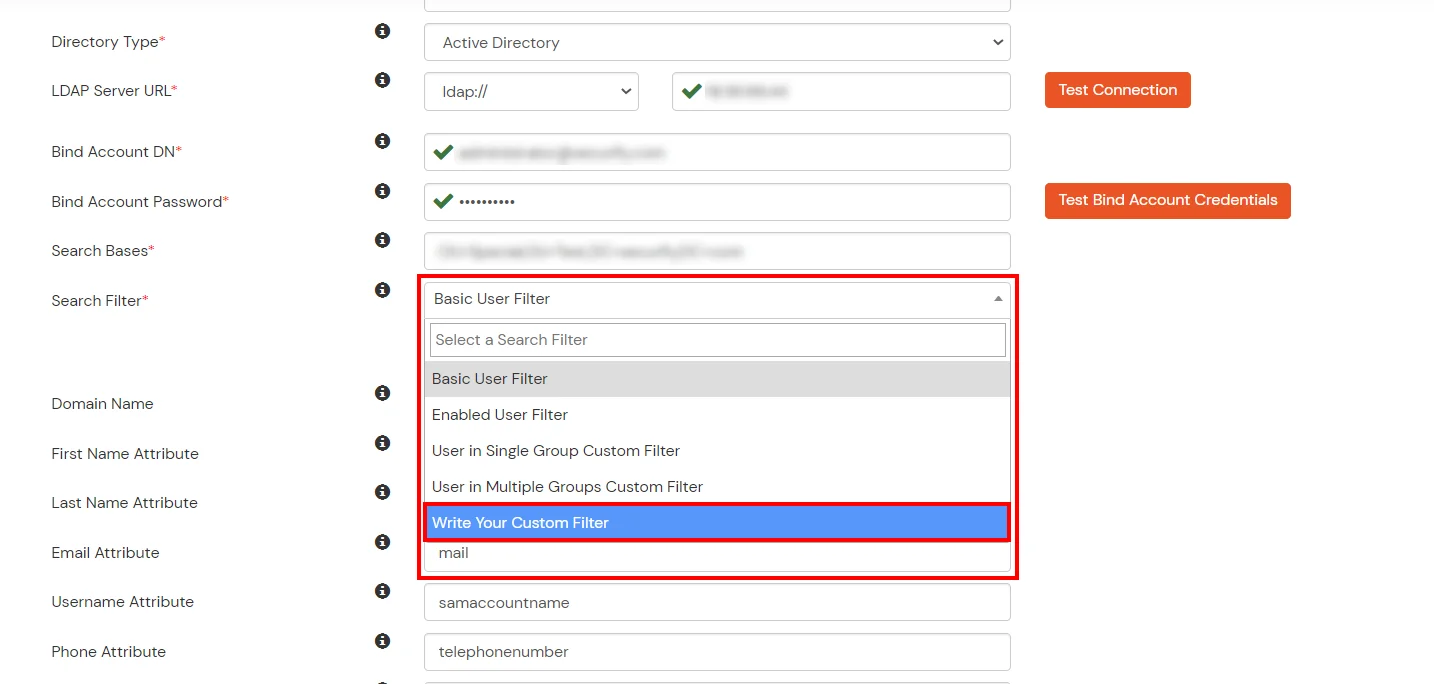
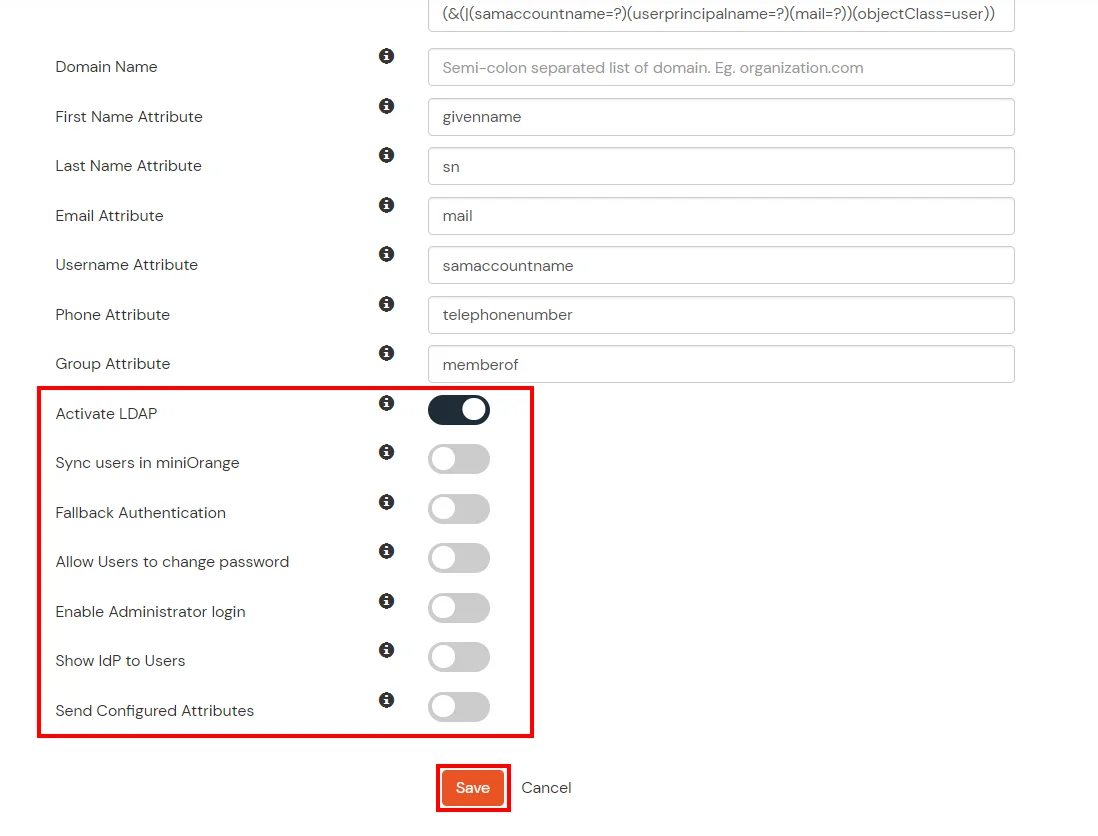
Here's the list of the attributes and what it does when we enable it. You can enable/disable accordingly.
| Attribute | Description |
|---|---|
| Activate LDAP | All user authentications will be done with LDAP credentials if you Activate it |
| Fallback Authentication | If LDAP credentials fail then user will be authenticated through miniOrange |
| Enable administrator login | On enabling this, your miniOrange Administrator login authenticates using your LDAP server |
| Show IdP to users | If you enable this option, this IdP will be visible to users |
| Sync users in miniOrange | Users will be created in miniOrange after authentication with LDAP |
Attribute Name sent to SP = organization
Attribute Name from IDP = company
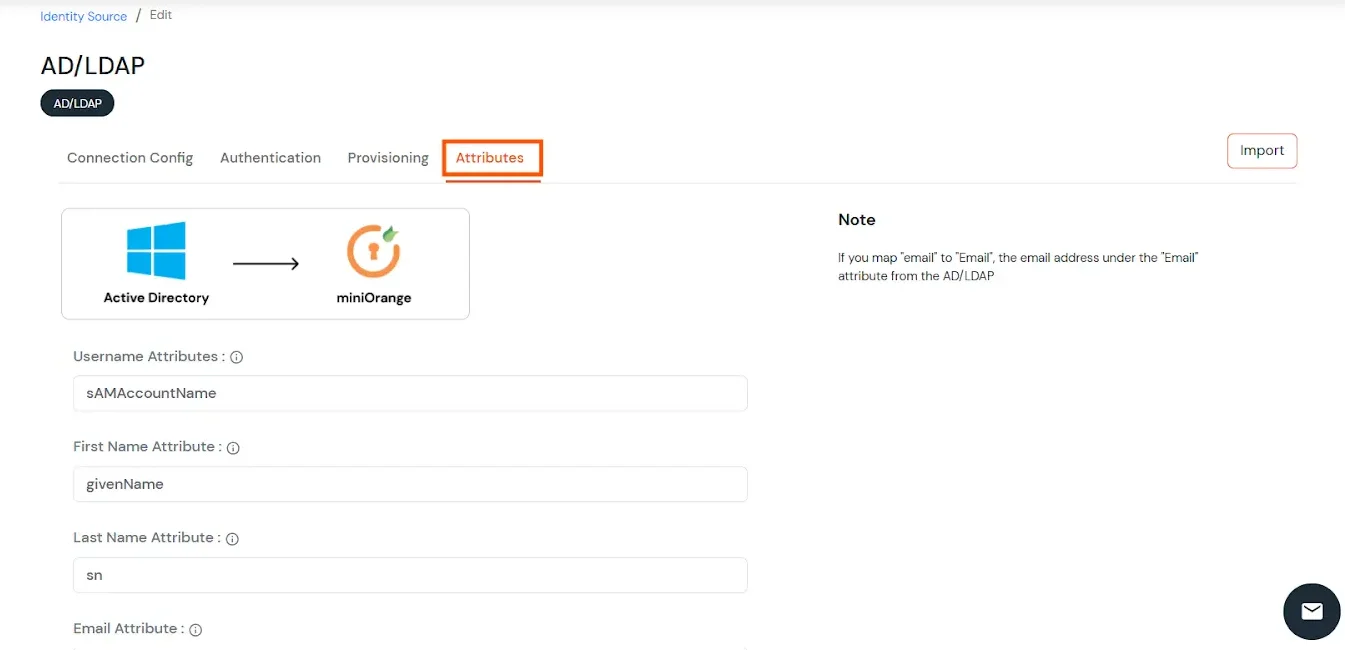
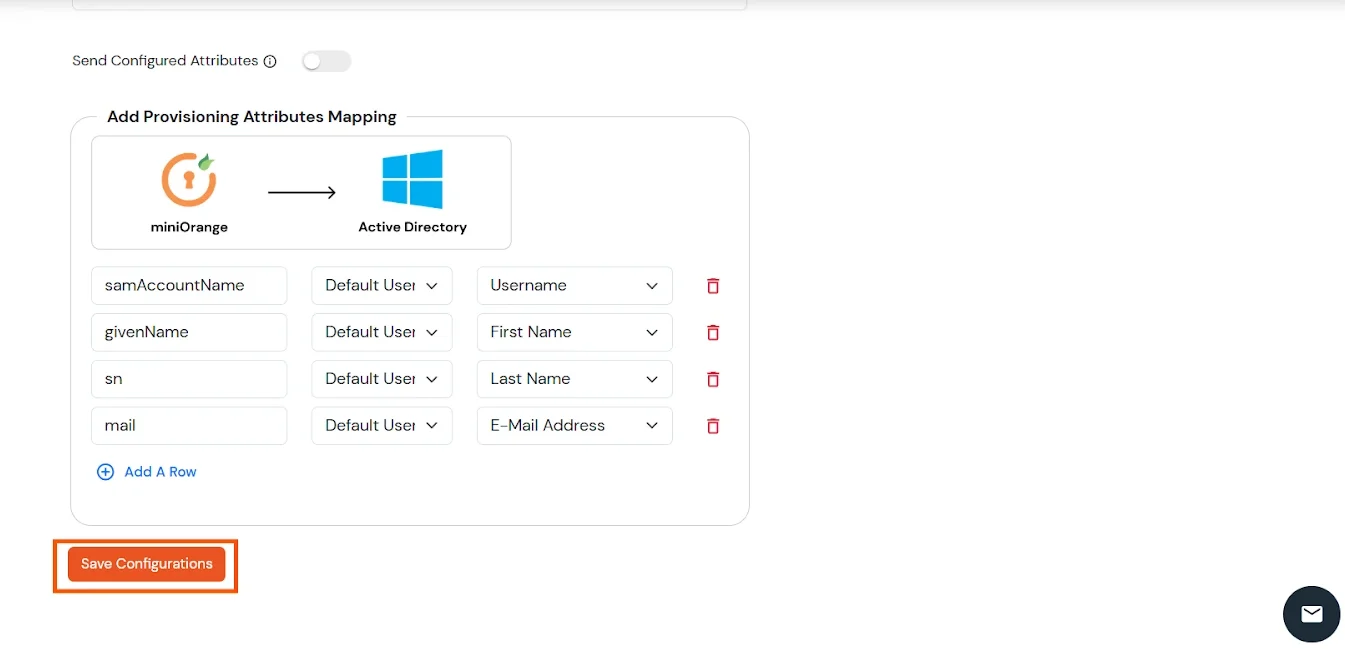
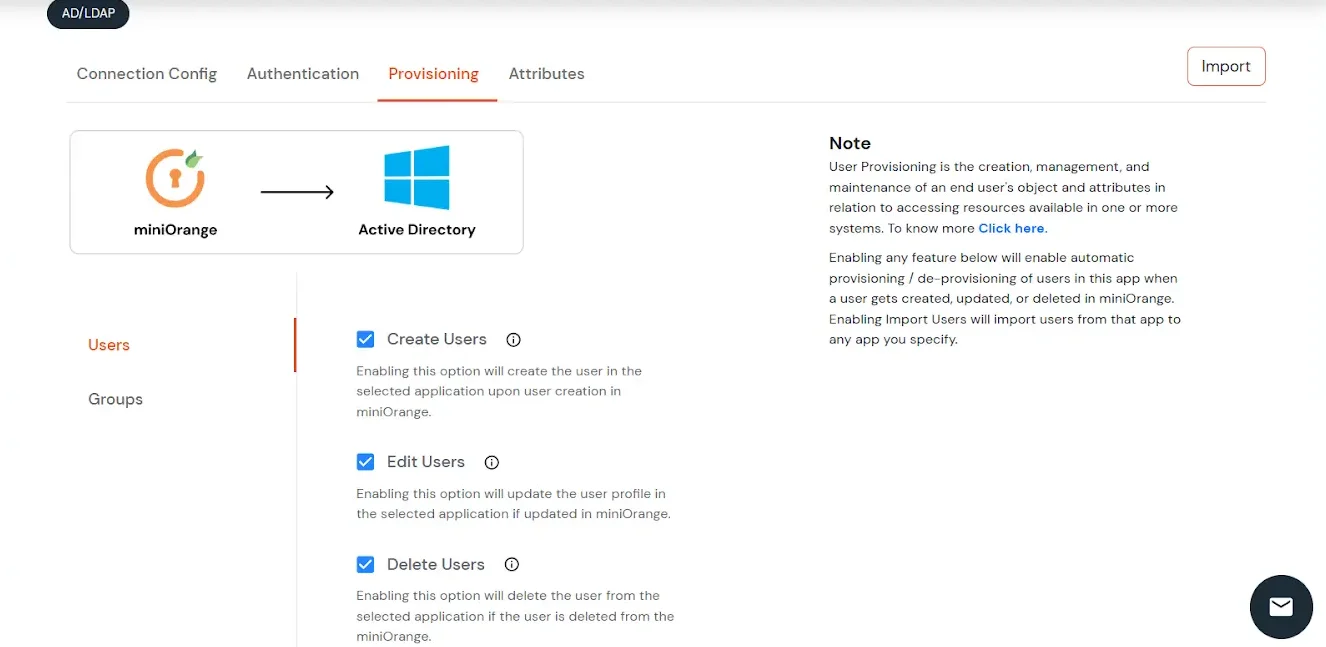
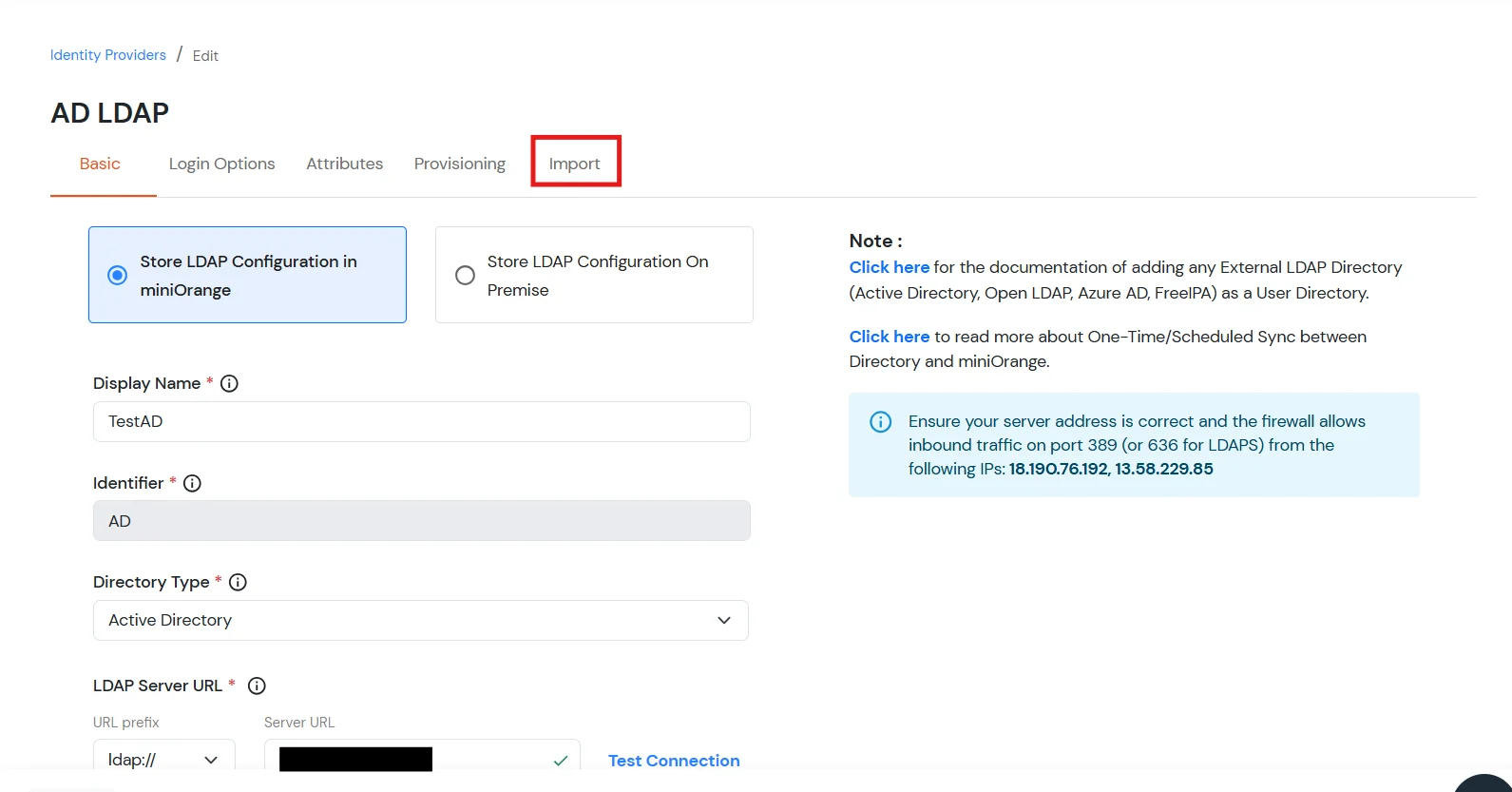
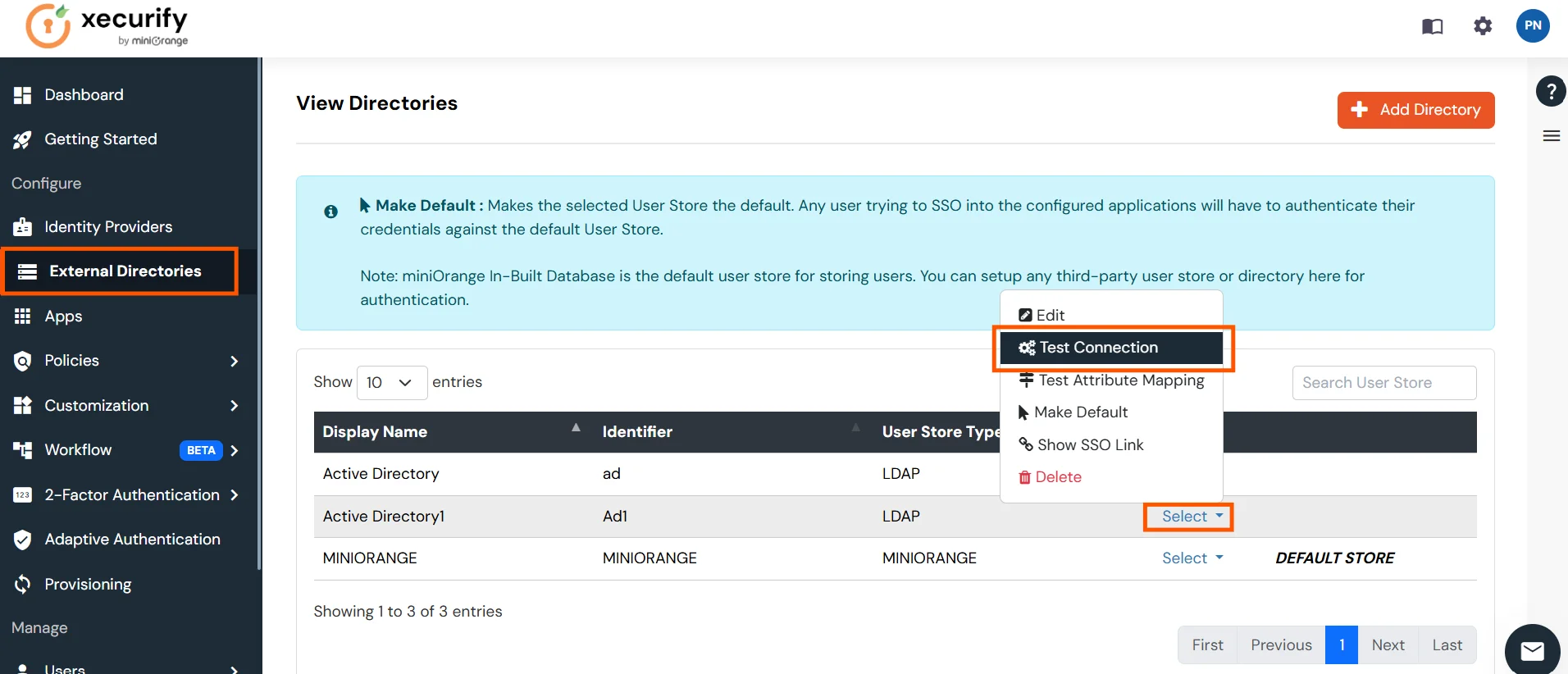
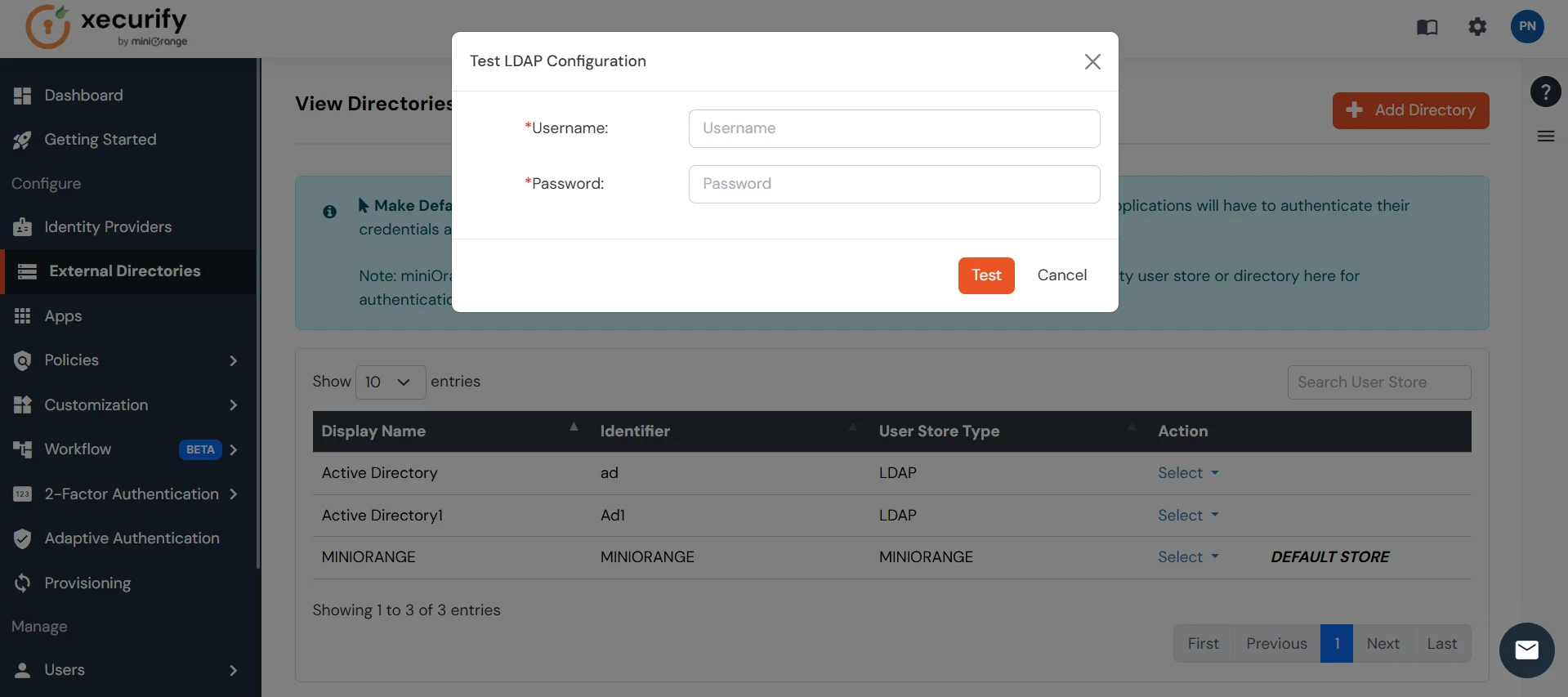
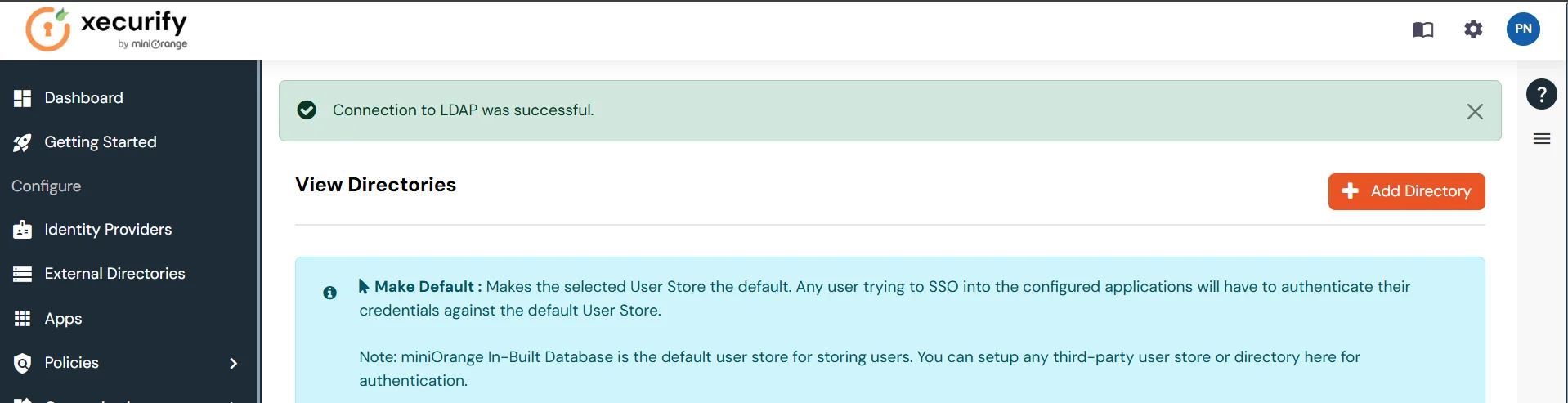
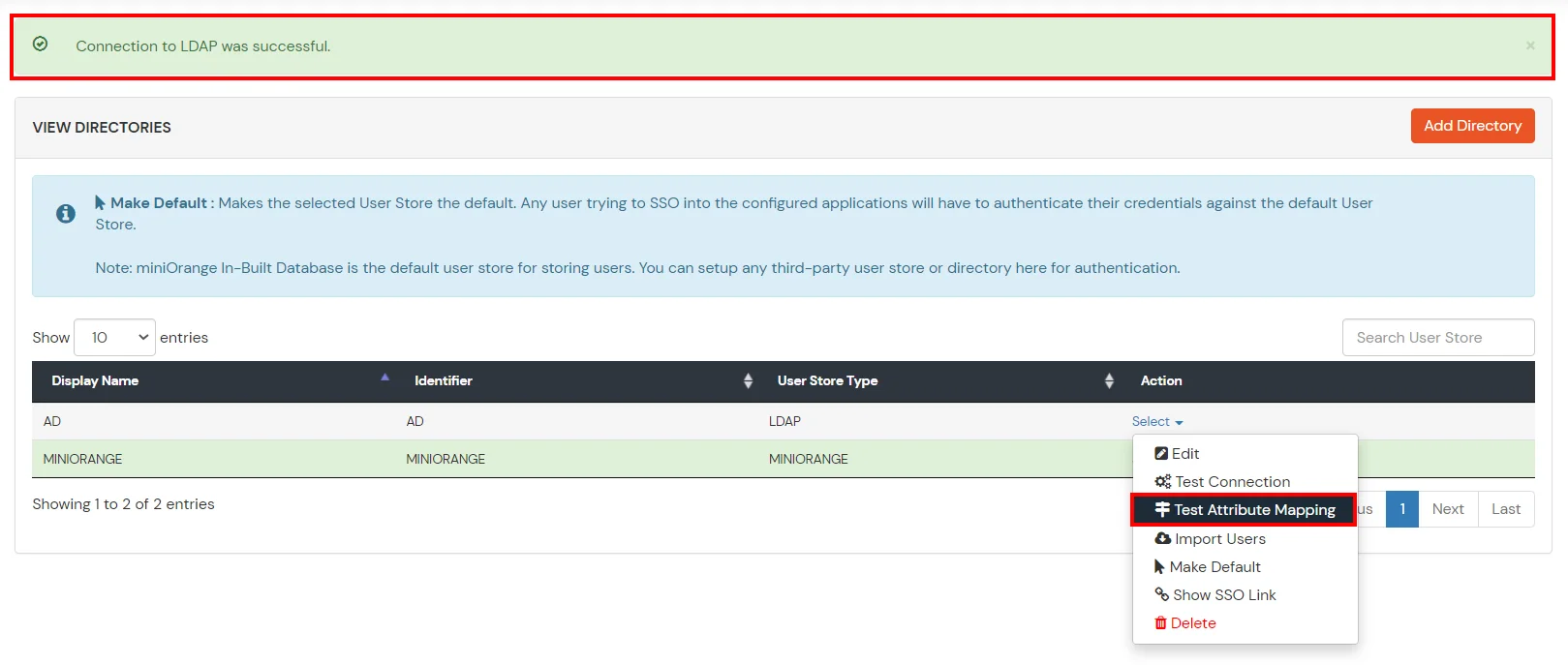
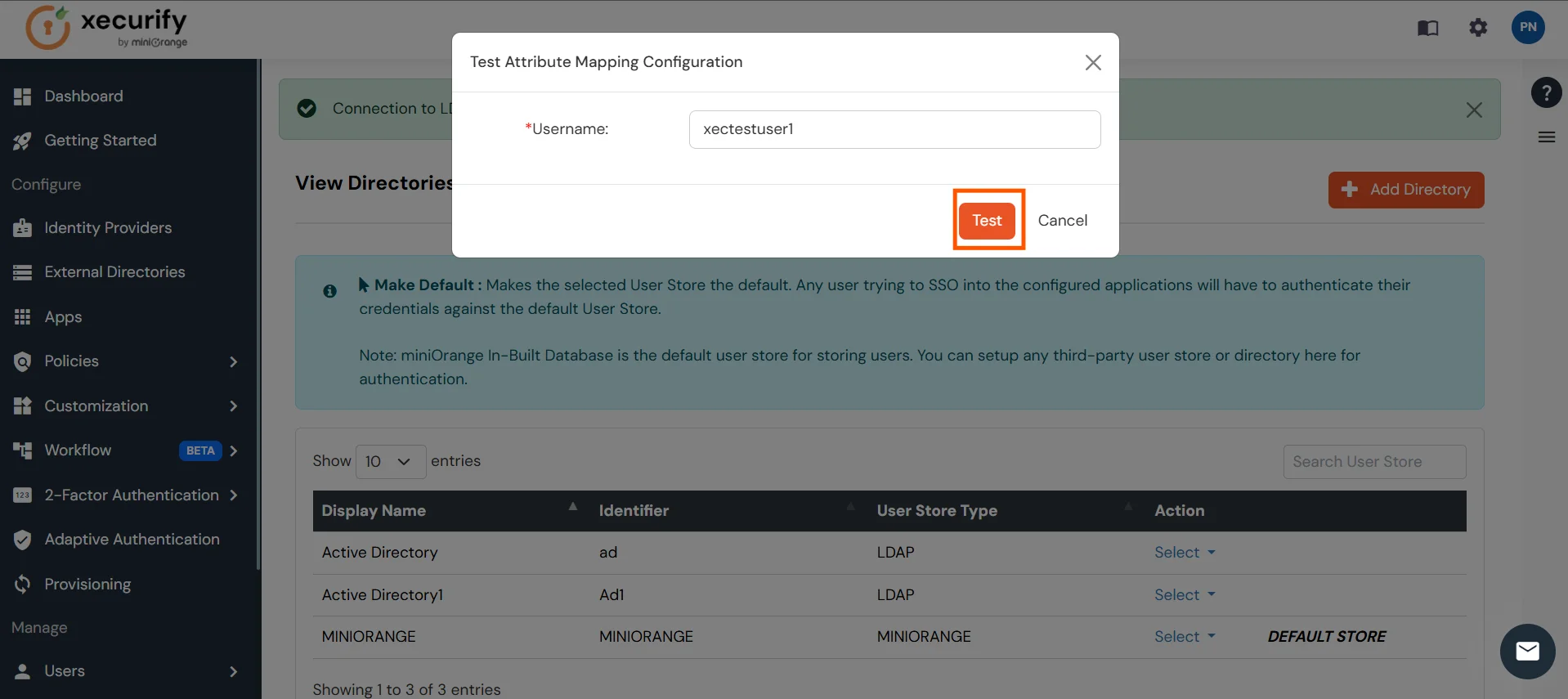
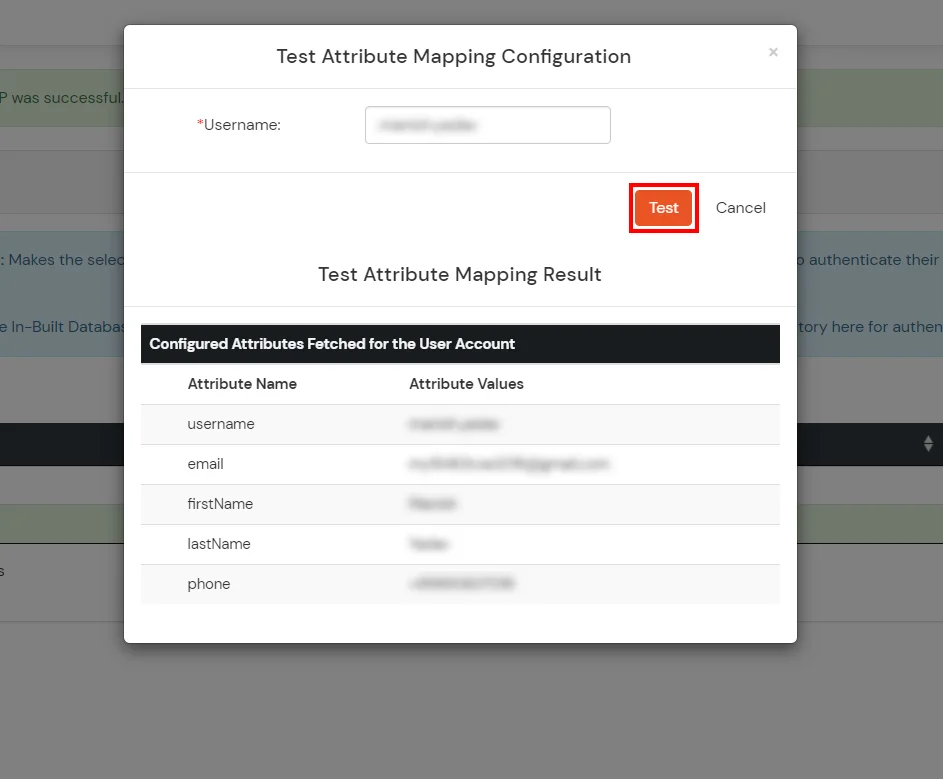
Set up AD as External Directory configuration is complete.
Note: Refer our guide to setup LDAP on windows server.
miniOrange integrates with various external user sources such as directories, identity providers, and etc.
Contact us or email us at idpsupport@xecurify.com and we'll help you setting it up in no time.
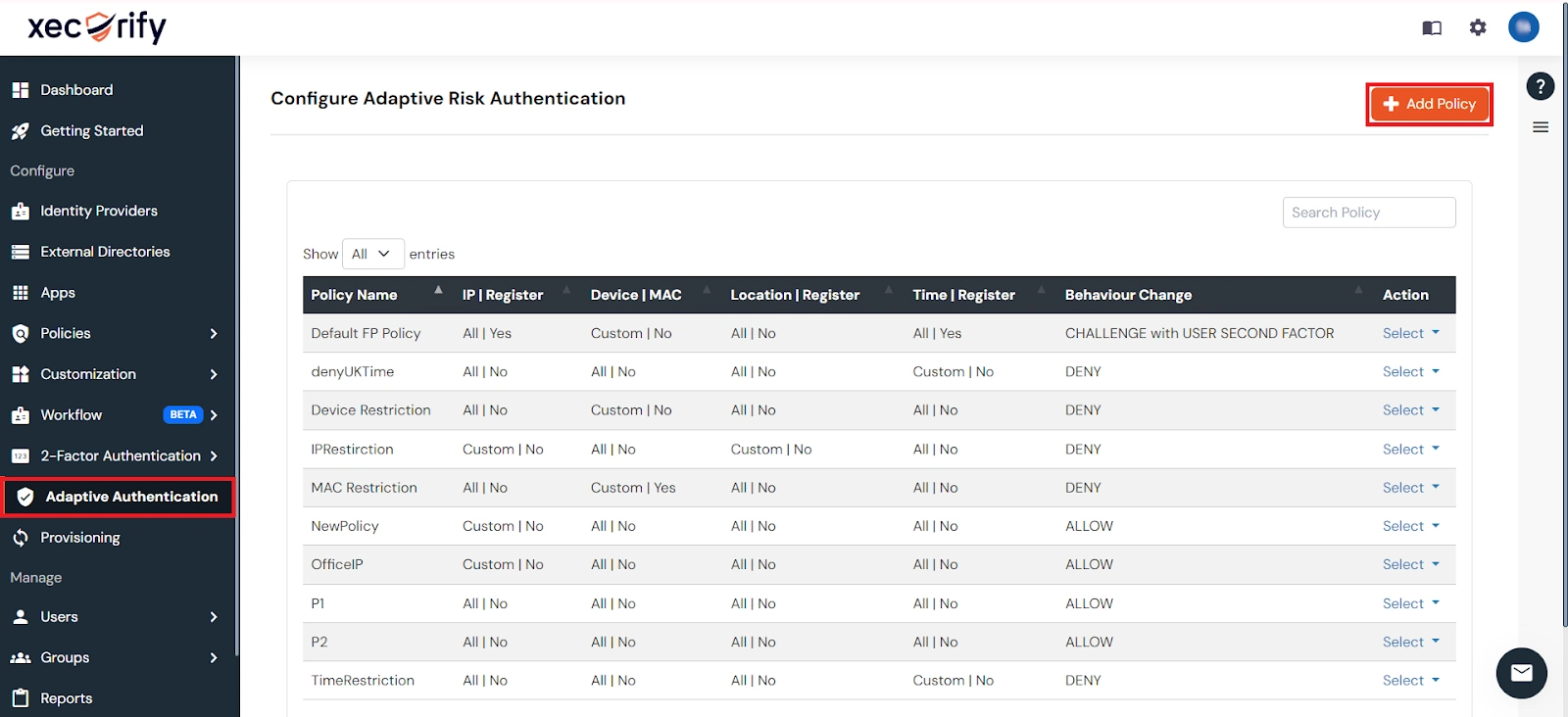
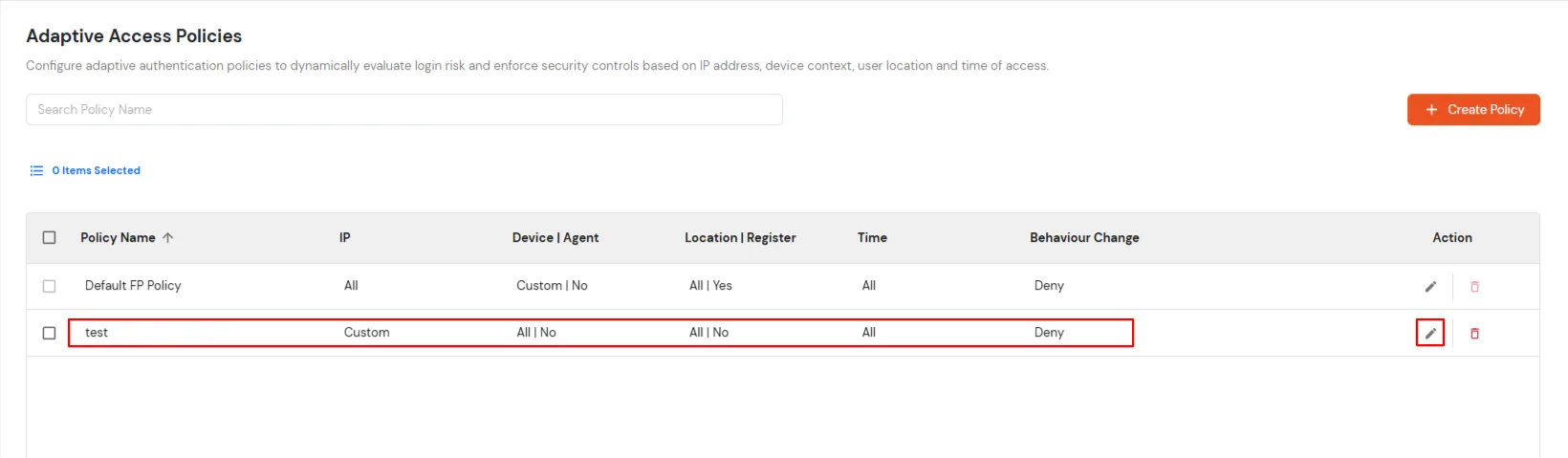
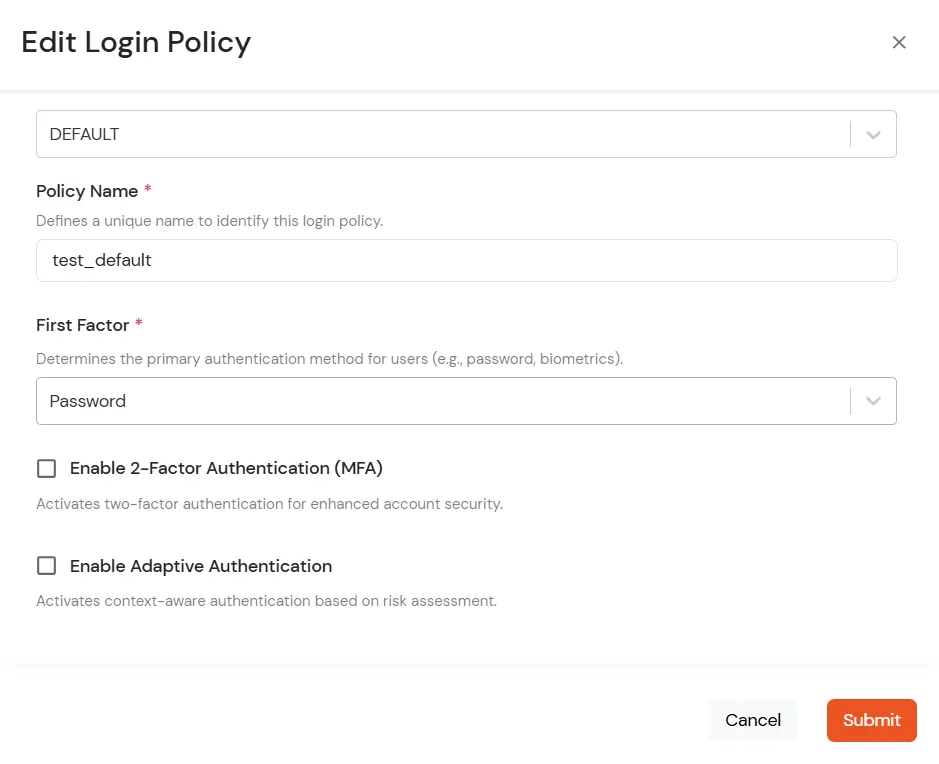
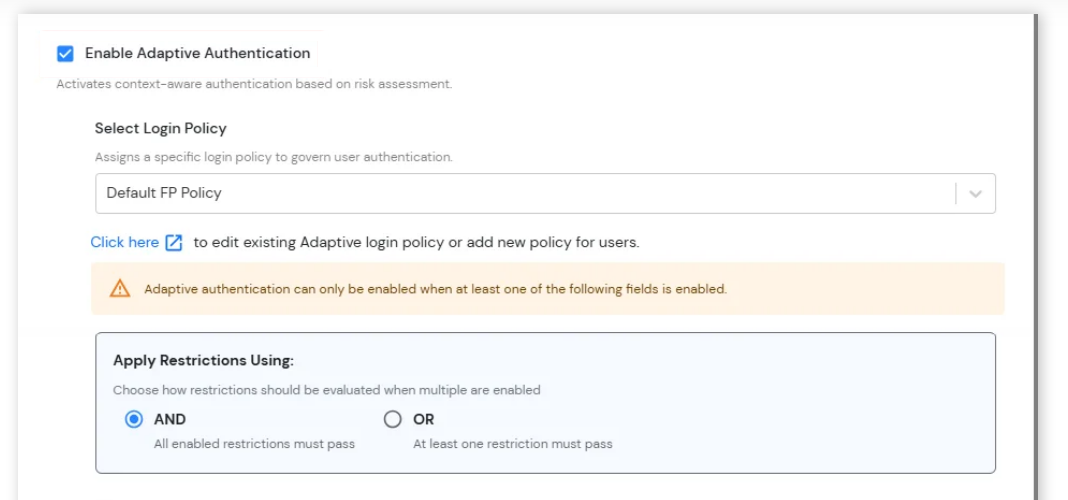
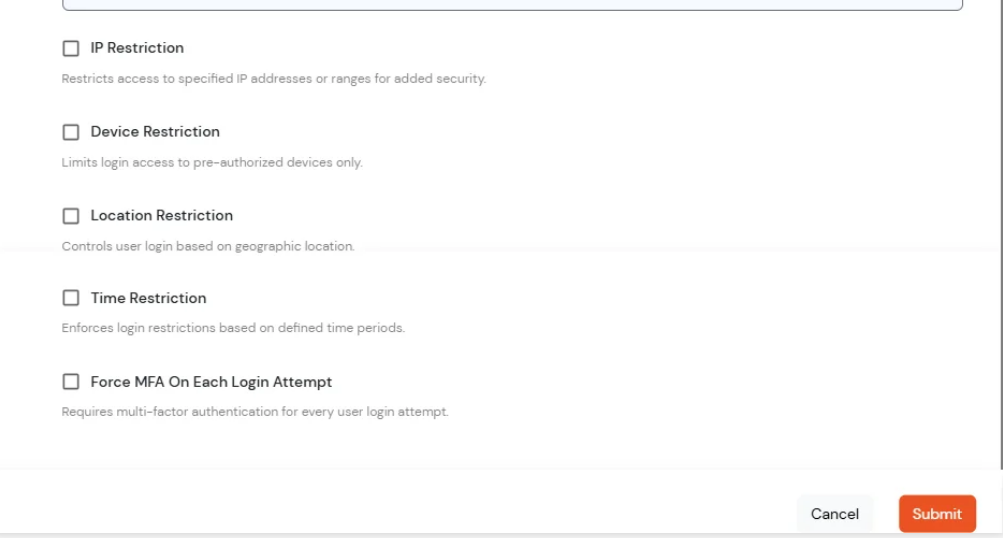
Adaptive Authentication for Redmine enables administrators to enforce context-aware access policies by evaluating user login conditions such as IP address, device, location and login time. Based on the configured policy, users can be allowed access, challenged with additional verification or denied access. Administrators can also configure email alerts, customize user-facing error messages, review policy settings before deployment and assign adaptive authentication policies to application login policies to strengthen security and prevent unauthorized access.
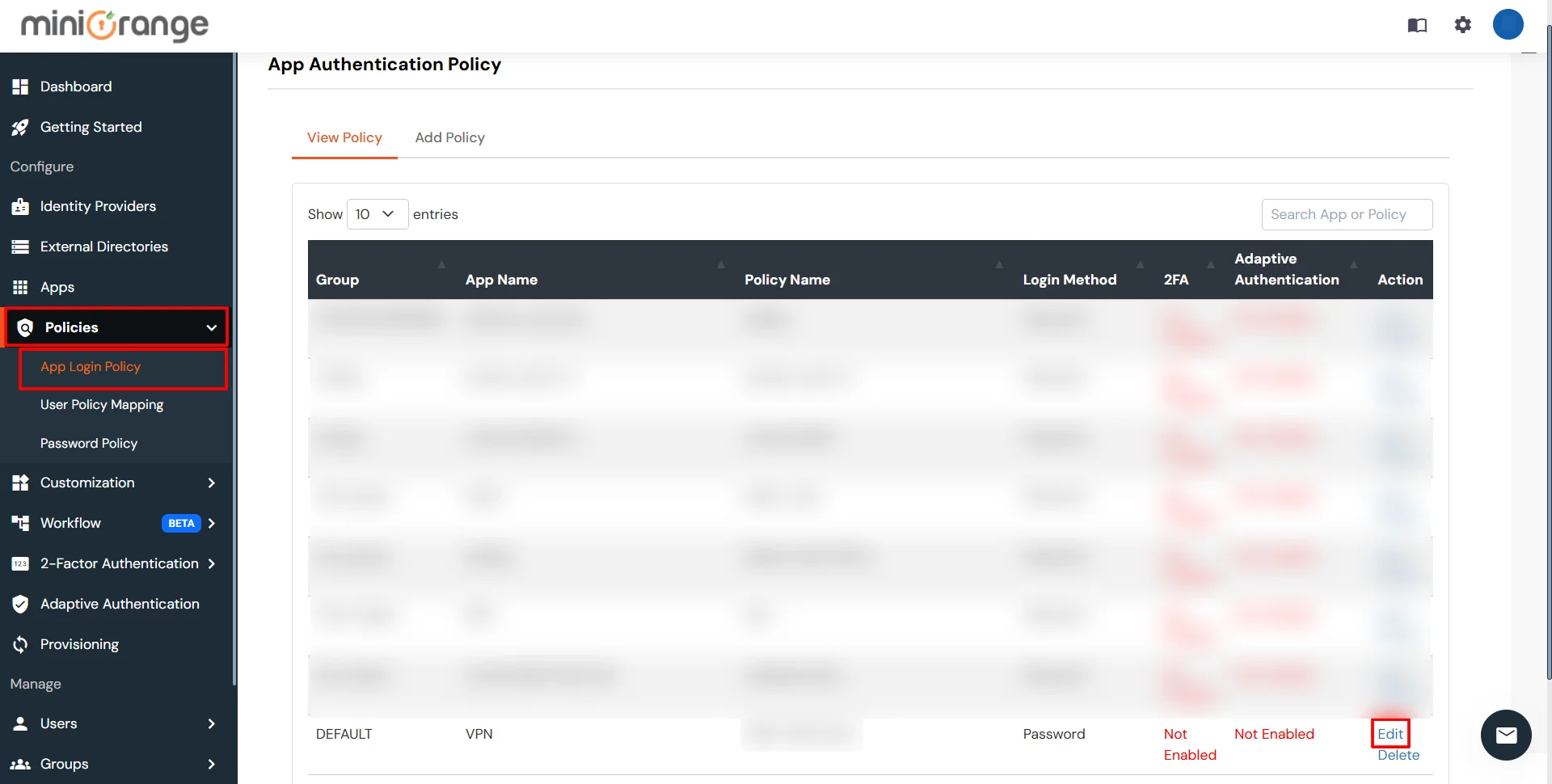
[Note: The Adaptive Authentication section has been moved from the left navigation menu. You can now access and manage adaptive authentication policies by navigating to Policies >> Adaptive Access Policy.]
A. Restricting access to Redmine with IP Based Access Restriction
IP Based Access Restriction allows administrators to control user access based on the source IP address of the login request. Administrators can configure trusted or restricted IP addresses and IP ranges and define the action to be taken when a user's IP address matches the configured criteria. During authentication, the user's IP address is evaluated against the configured policy and access is either Allowed, Denied or Challenged based on the selected configuration.
You can configure Adaptive Authentication with IP Based Restriction in following way :
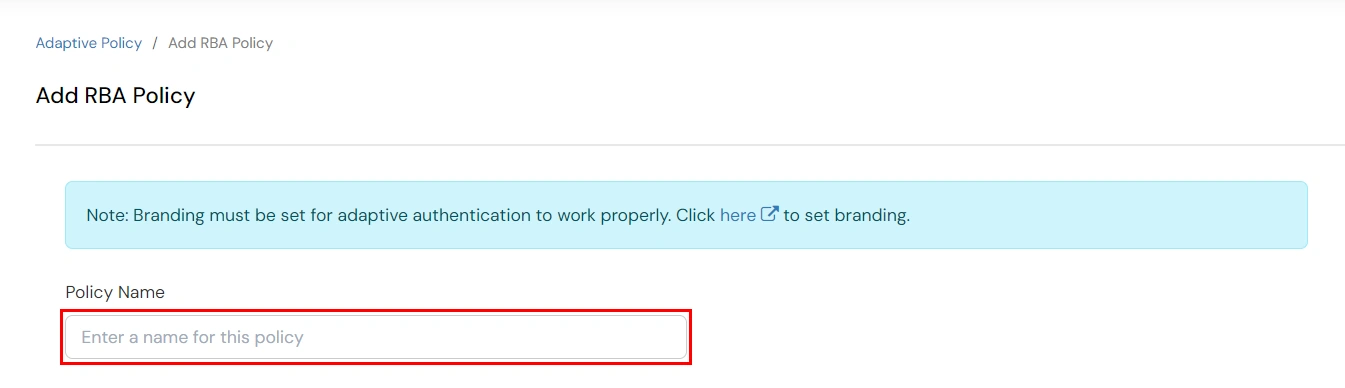
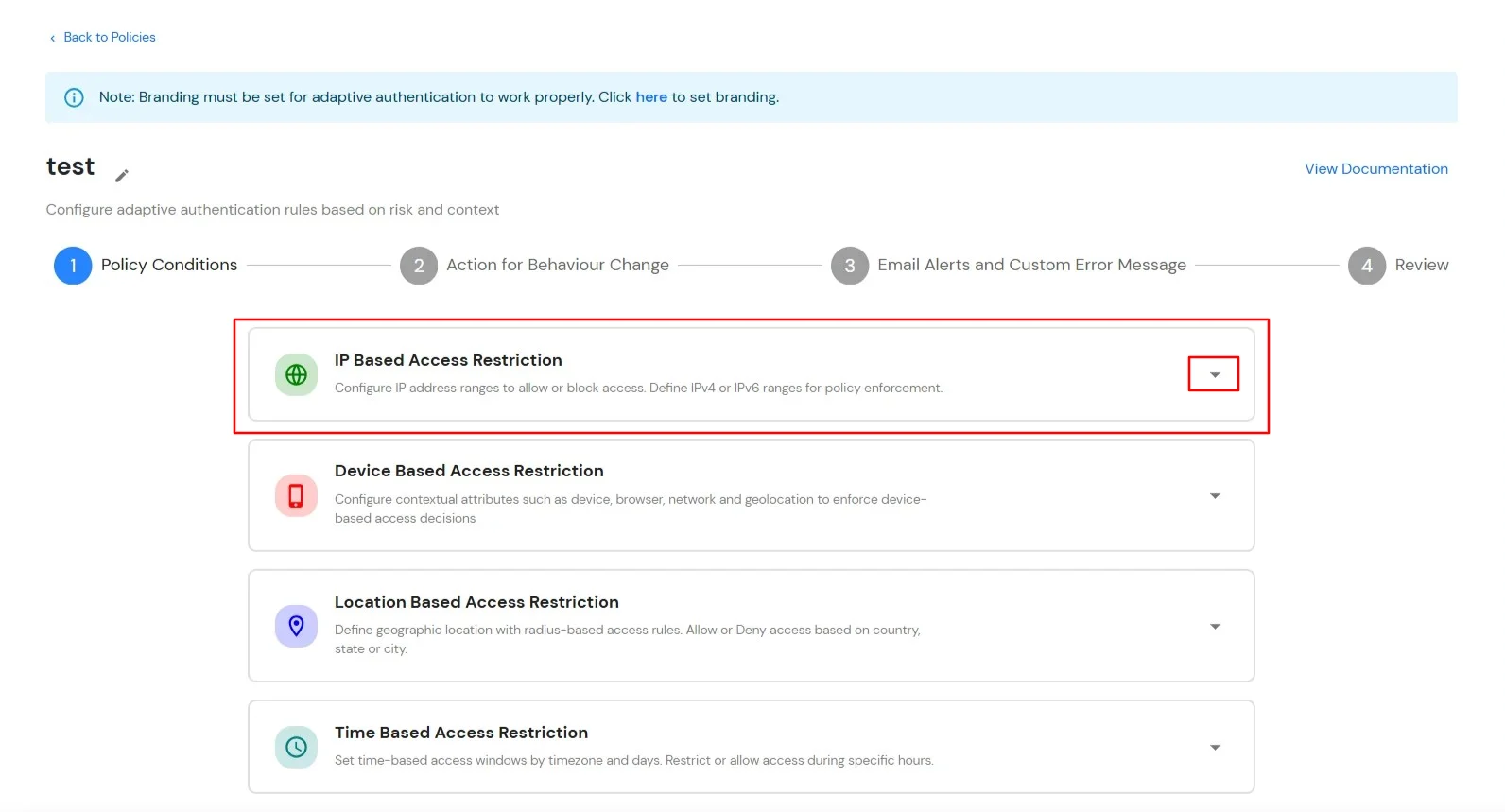
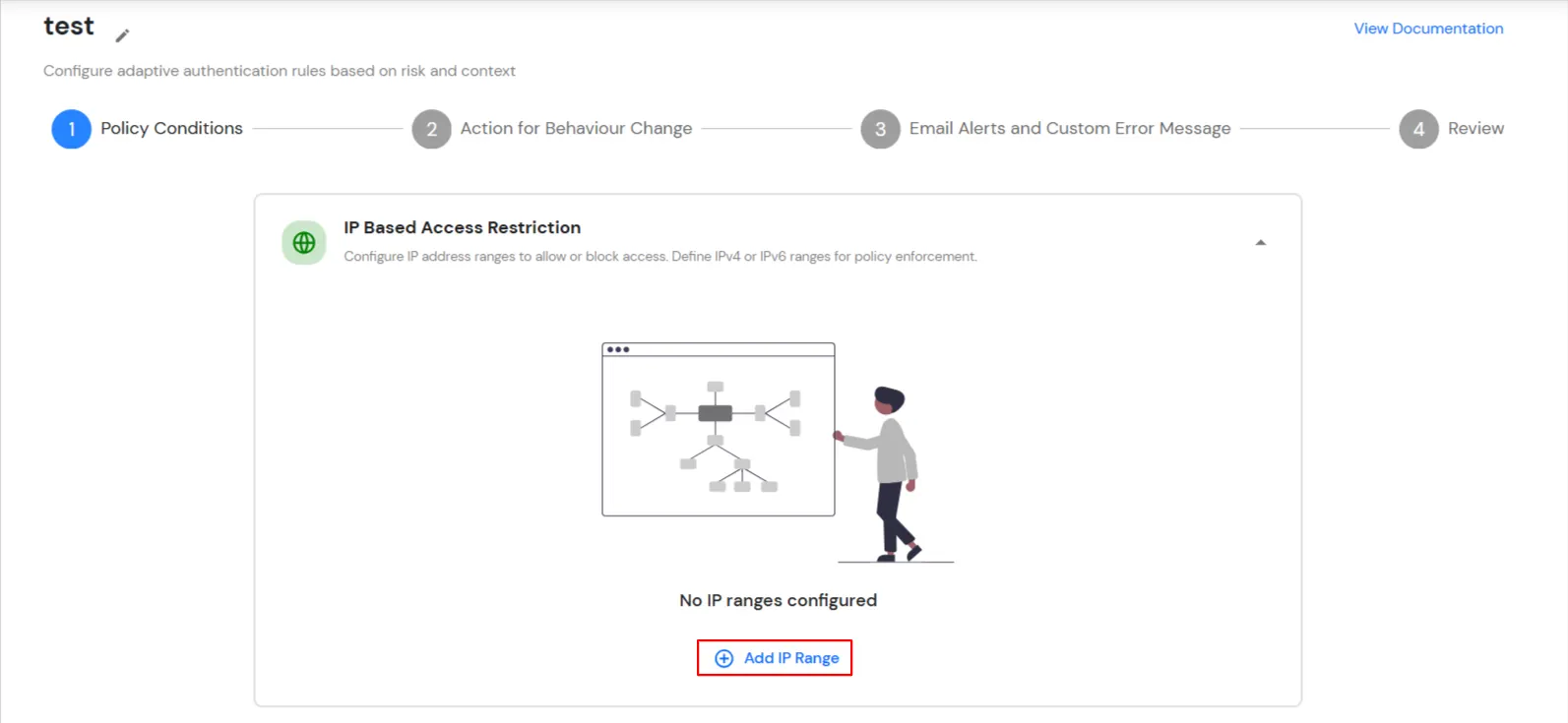
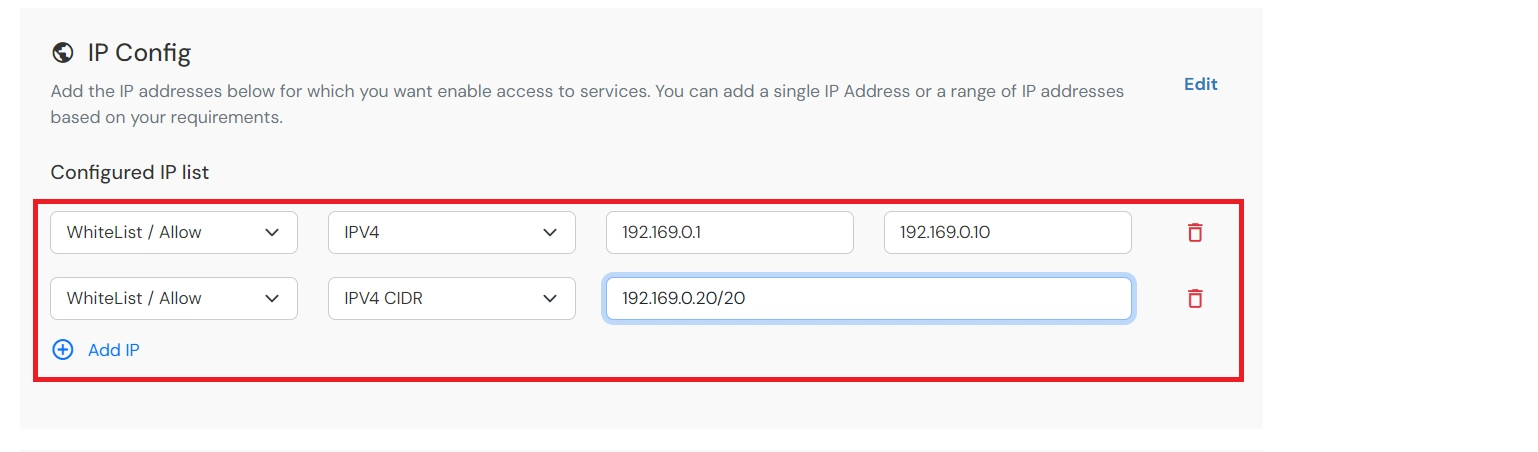
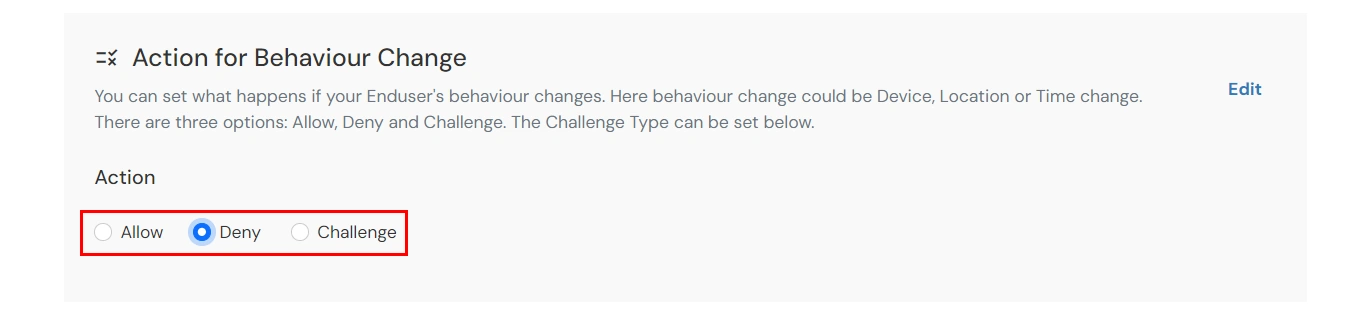
| Attribute (Option) | Description |
|---|---|
| Allow | Allow users to authenticate and use services if Adaptive authentication condition is true. |
| Deny | Deny user authentications and access to services if Adaptive authentication condition is true. |
| Challenge | Challenge users with one of the three methods mentioned below for verifying user authenticity. |
| Attribute | Description |
|---|---|
| User second Factor | The User needs to authenticate using the second factor he has opted or assigned for such as
|
| KBA (Knowledge-based authentication) | The System will ask the user for 2 of 3 questions he has configured in his Self-Service Console. Only after the right answer to both questions is the user allowed to proceed further. |
| OTP over Alternate Email | User will receive an OTP on the alternate email they have configured through the Self Service Console. Once the user provides the correct OTP, they are allowed to proceed further. |
B. Restricting access to Redmine with Device Based Access Restriction
Device Based Access Restriction allows administrators to control user access based on trusted and registered devices. By leveraging device identification and verification mechanisms, administrators can define policies that evaluate the device used during authentication. When a user attempts to log in, the device is assessed against the configured policy and the appropriate action: Allow, Challenge or Deny is applied based on the configured conditions.
You can configure Adaptive Authentication with Device Based Restriction in following way :
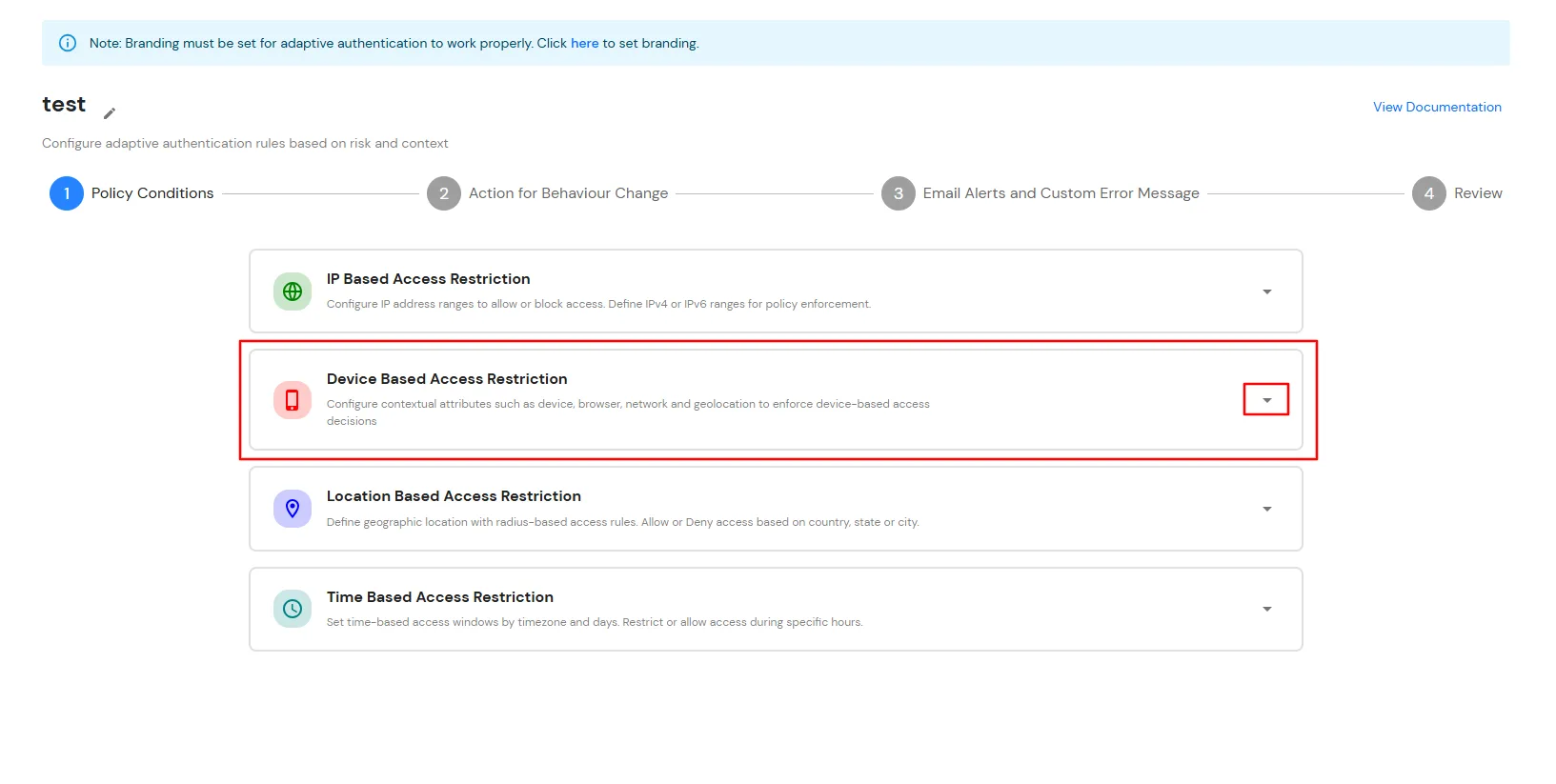

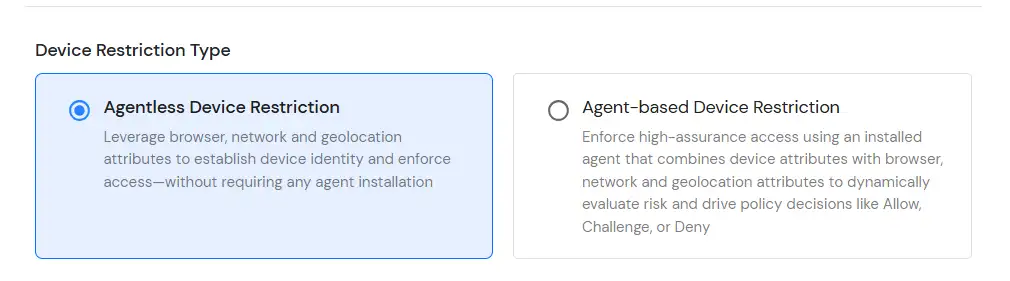
C. Restricting access to Redmine with Location Based Access Restriction
In location restrictions, admin configures a list of locations where they want to allow end-users to either login or deny based on the condition set by the admin. When a user tries to login with adaptive authentication enabled, their Location Attributes, such as (Latitude, Longitude and Country Code) are verified against the Location list configured by the admin. Based on this user will be either allowed, challenged or denied.
You can configure Adaptive Authentication with Location Based Restriction in following way :
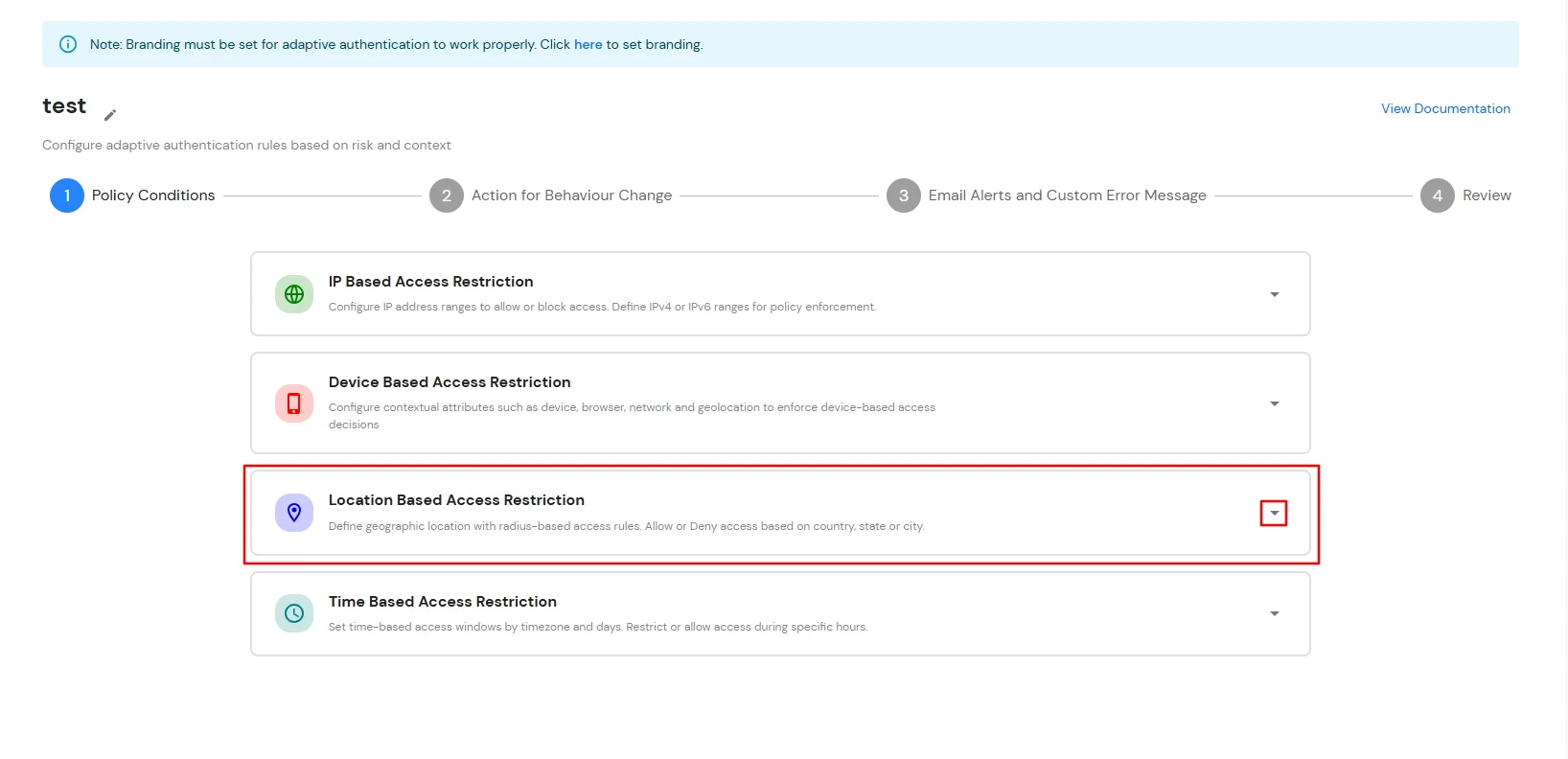
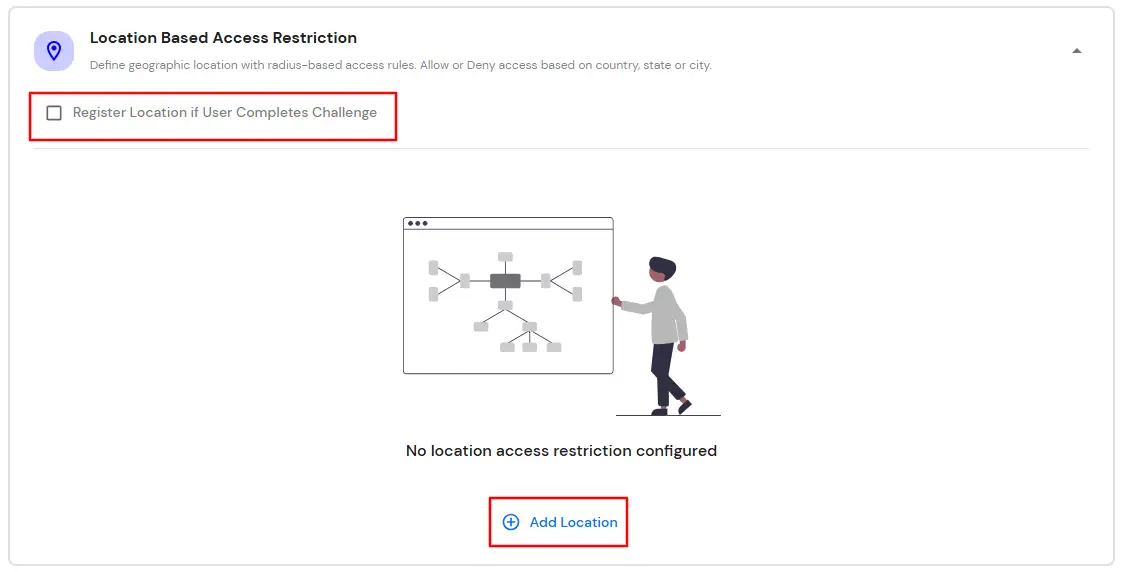
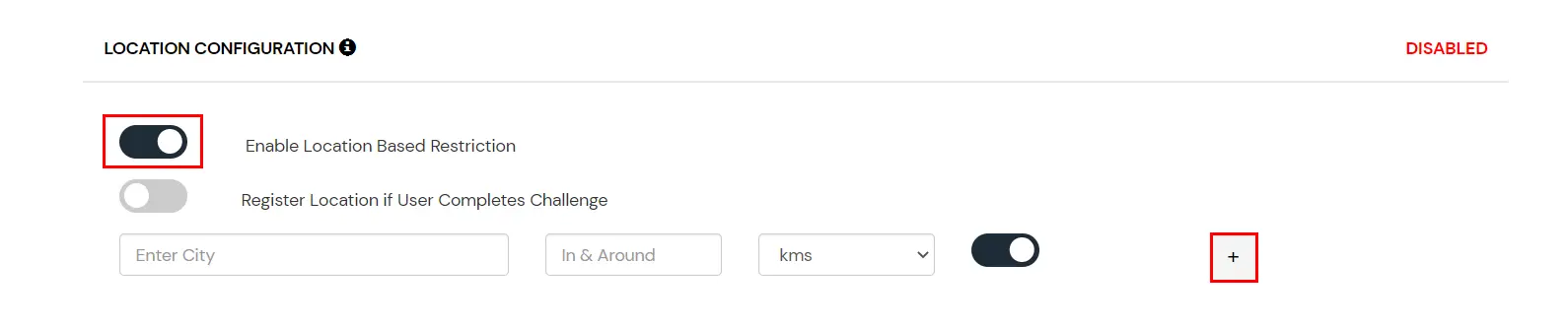
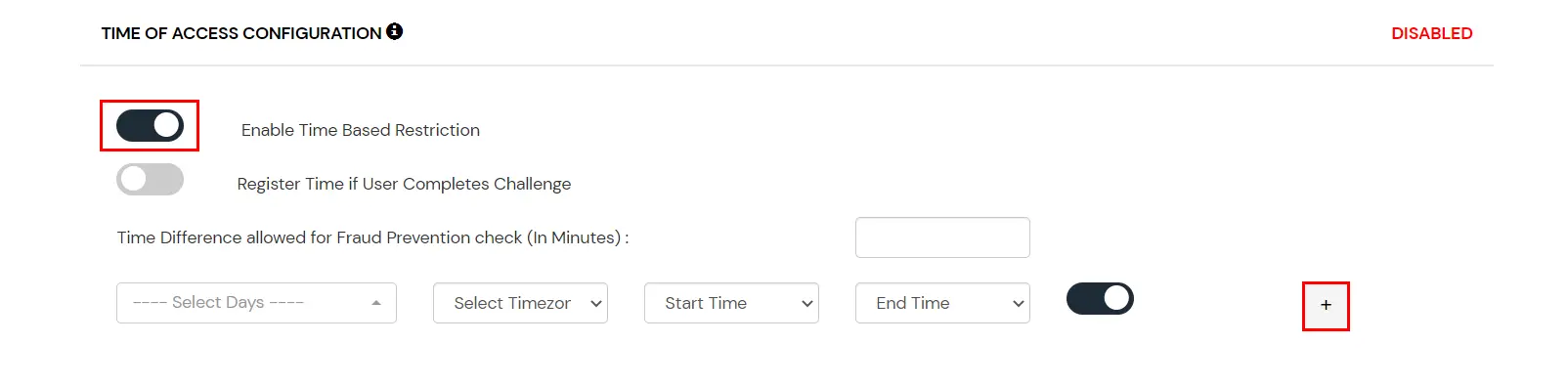
D. Restricting access to Redmine with Time Based Access Restriction
In time restriction, admin configures a time zone with Start and End Times for that timezone and users are either allowed, denied or challenged based on the condition in the policy. When an end-user tries to login with the adaptive authentication enabled, their time zone-related attributes such as Time-Zone and Current System Time, are verified against the list configured by the admin and based on the configuration, the user is either allowed, denied or challenged.
You can configure Adaptive Authentication with Time Based Restriction in following way :
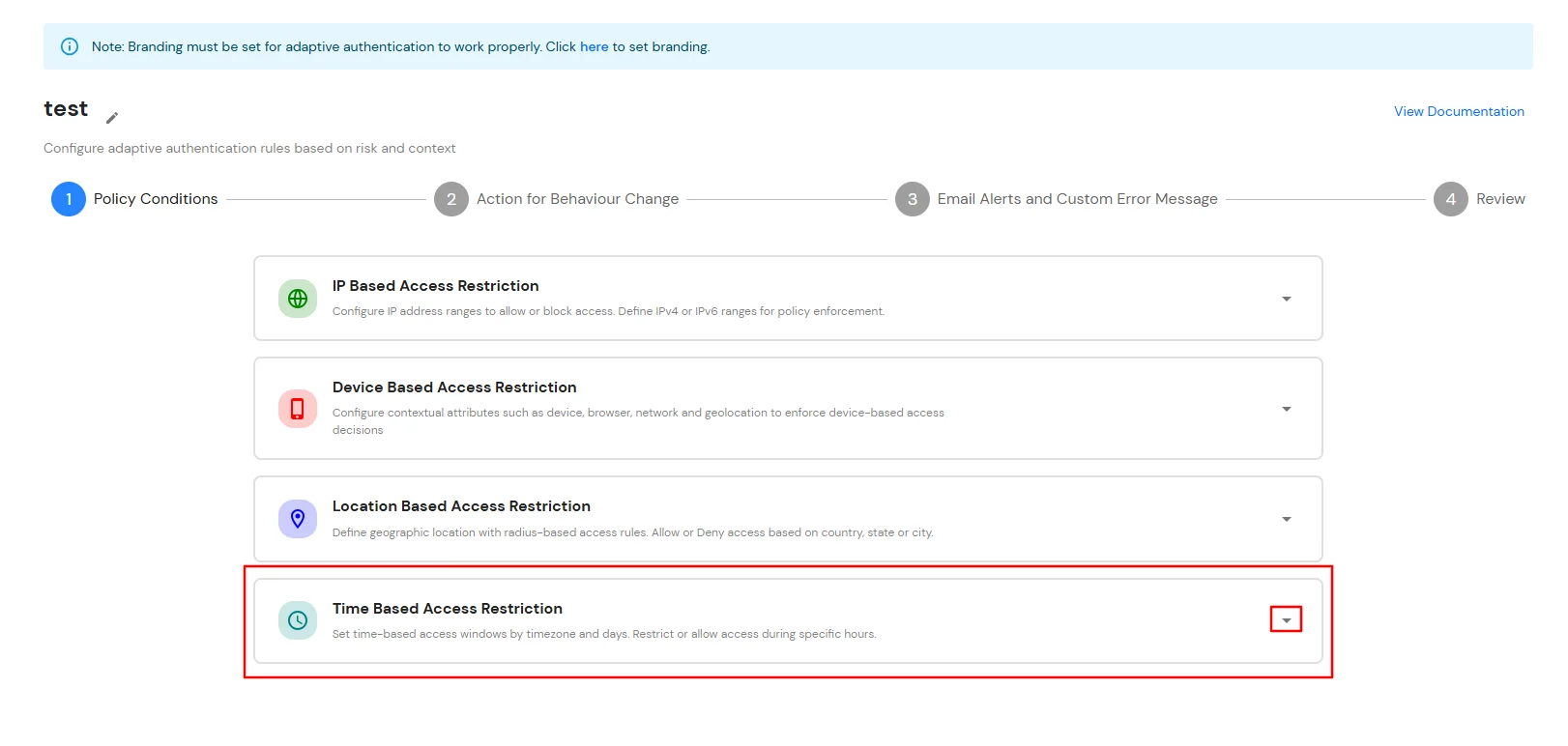
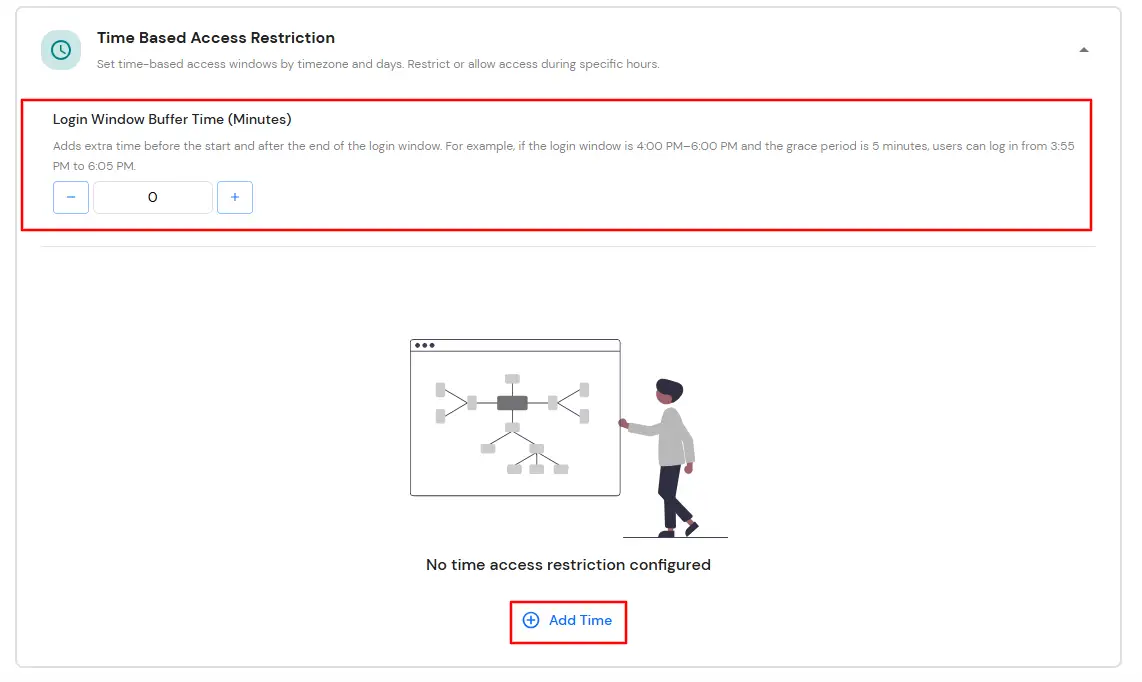
E. Email Alerts and Custom Email Message
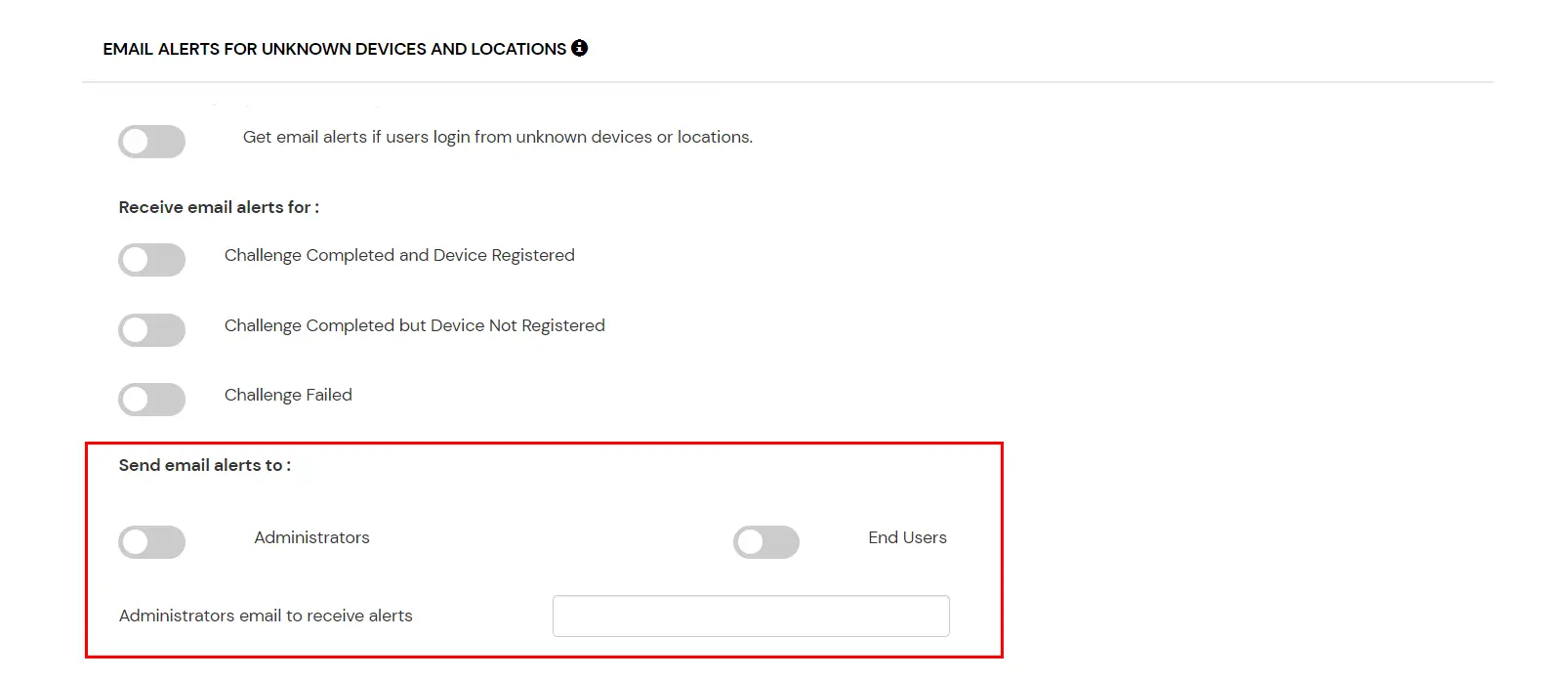
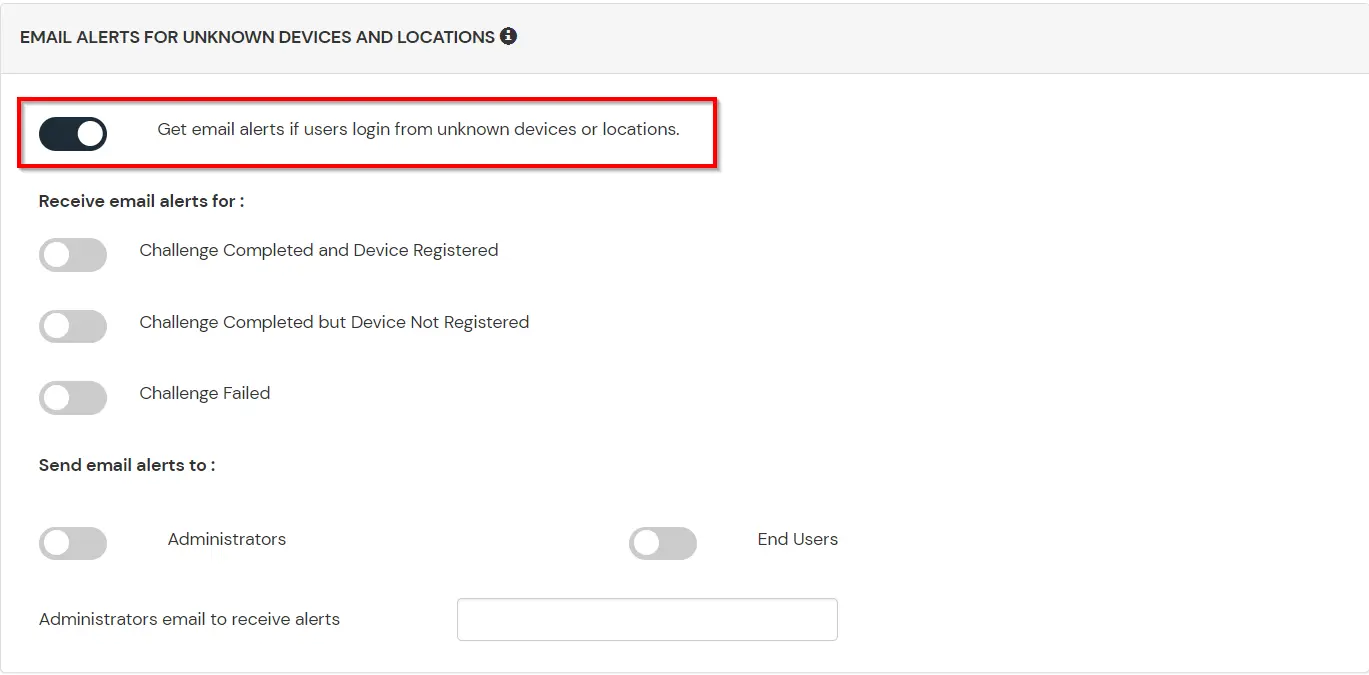
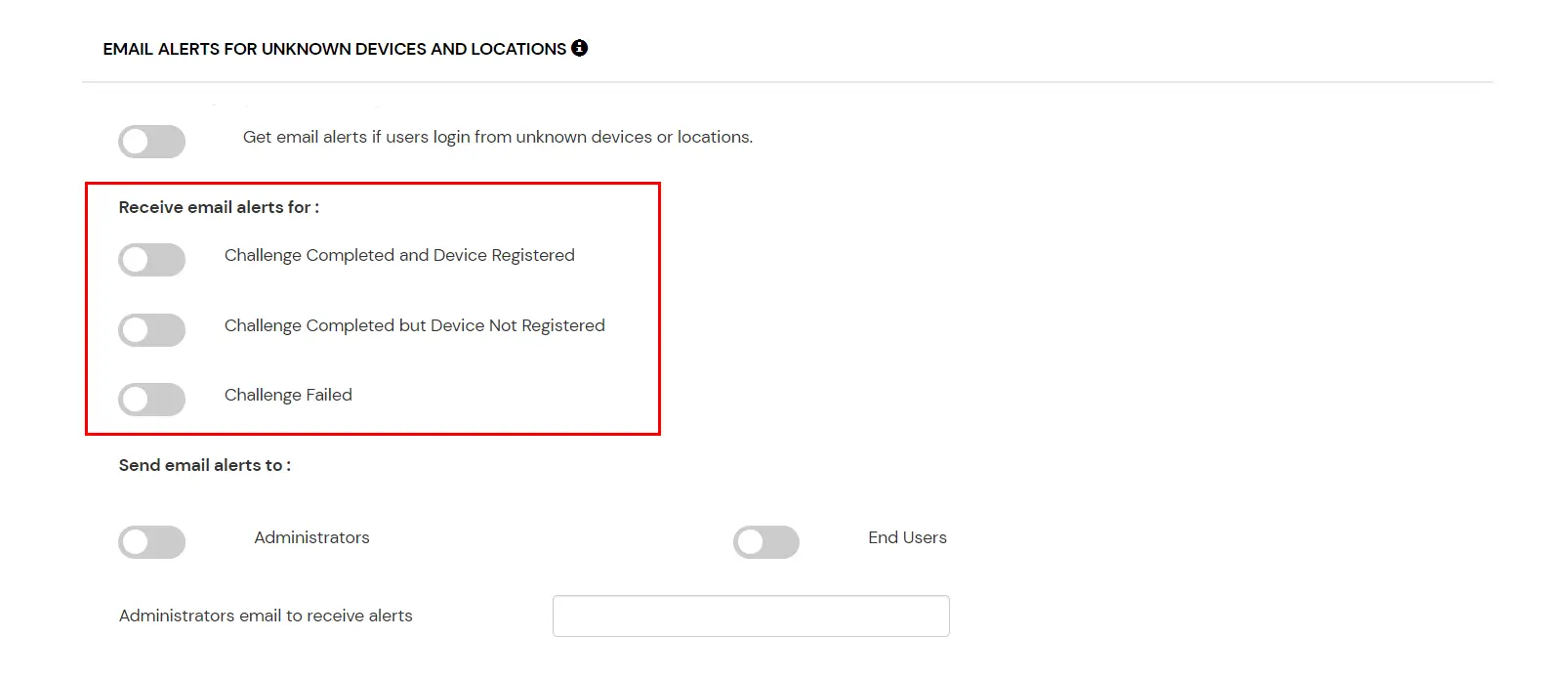
This section handles the notifications and alerts related to Adaptive Access Policy. It provides the following options:
| Option | Description |
|---|---|
| Users login from unknown IP addresses, devices or locations | Enabling this option allows you to login from unknown IP addresses or devices and even locations. |
| Challenge Completed and Device Registered | Enabling this option allows you to send an email alert when an end-user completes a challenge and registers a device. |
| Challenge Completed but Device Not Registered | Enabling this option allows you to send an email alert when an end-user completes a challenge but do not registers the device. |
| Challenge Failed | Enabling this option allows you to send an email alert when an end-user fails to complete the challenge. |

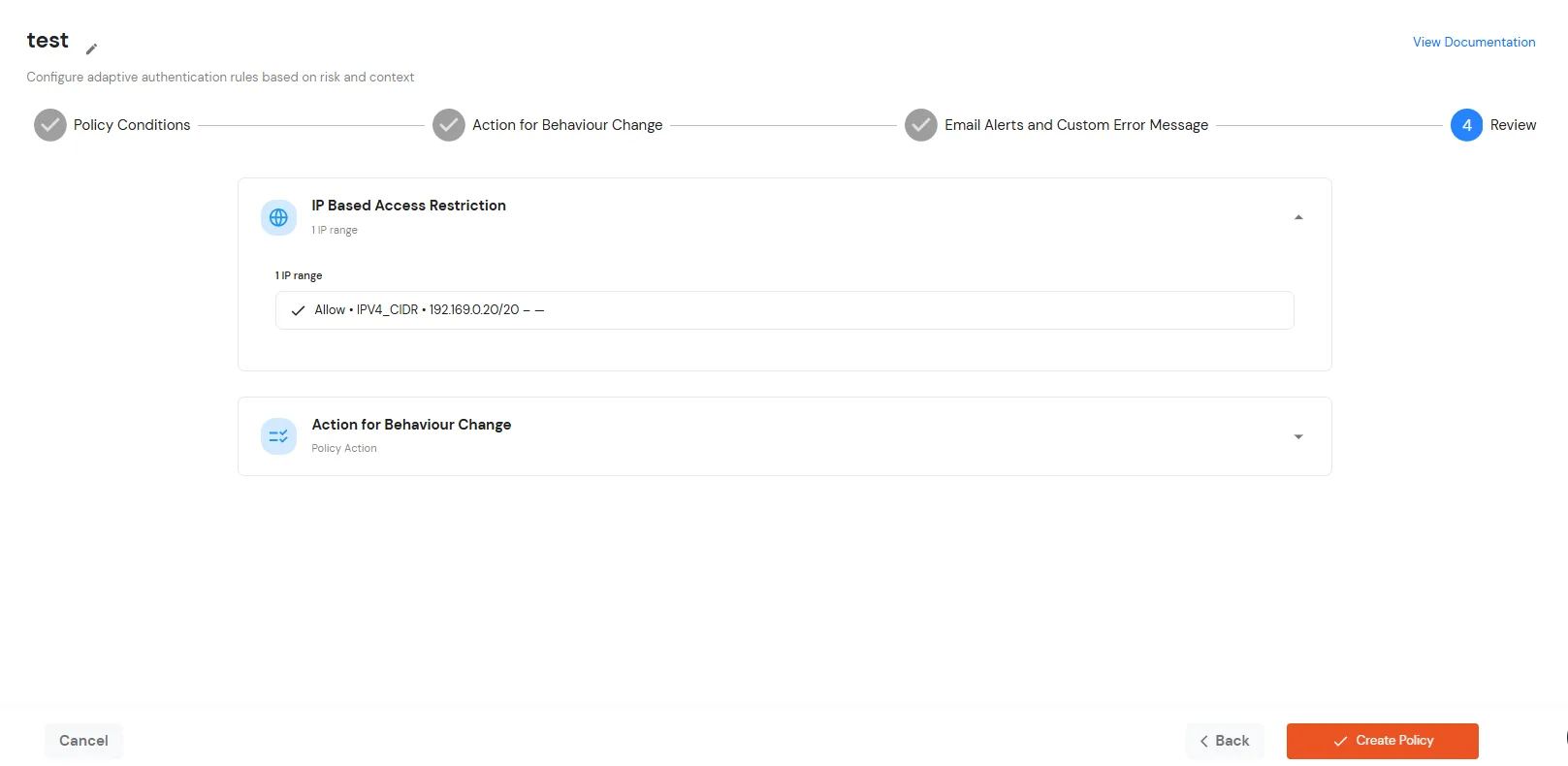
F. Review
Review the configured policy conditions, behavior change actions, email alert settings and custom error messages before creating the adaptive authentication policy. This step provides a consolidated view of all configured settings, allowing you to verify the policy configuration and make any necessary changes before saving.
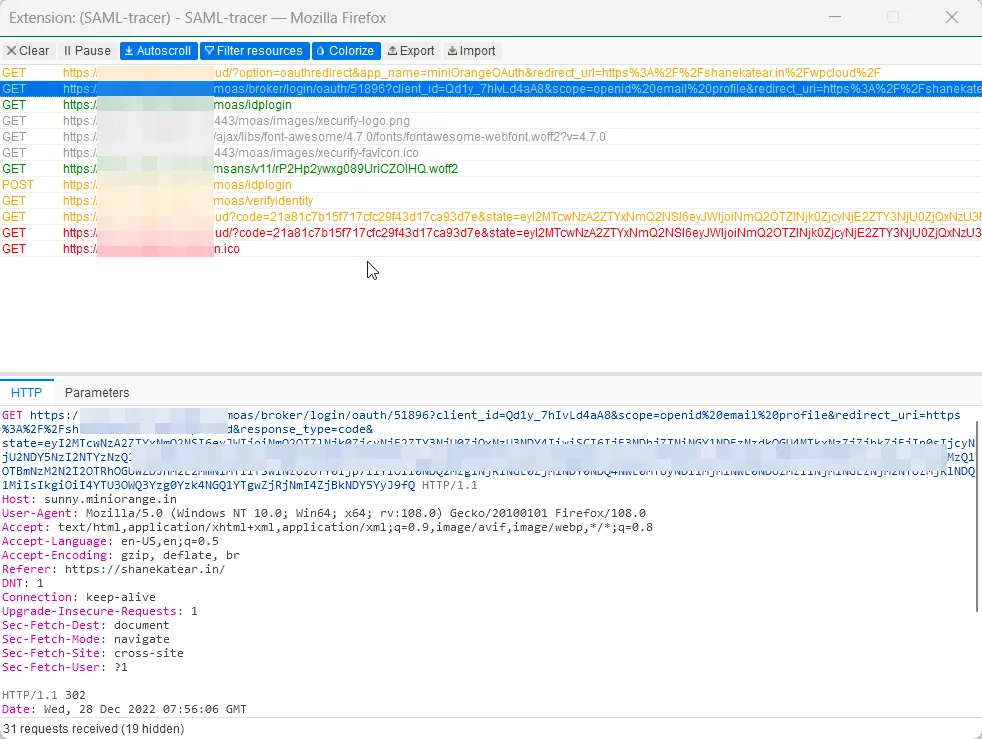
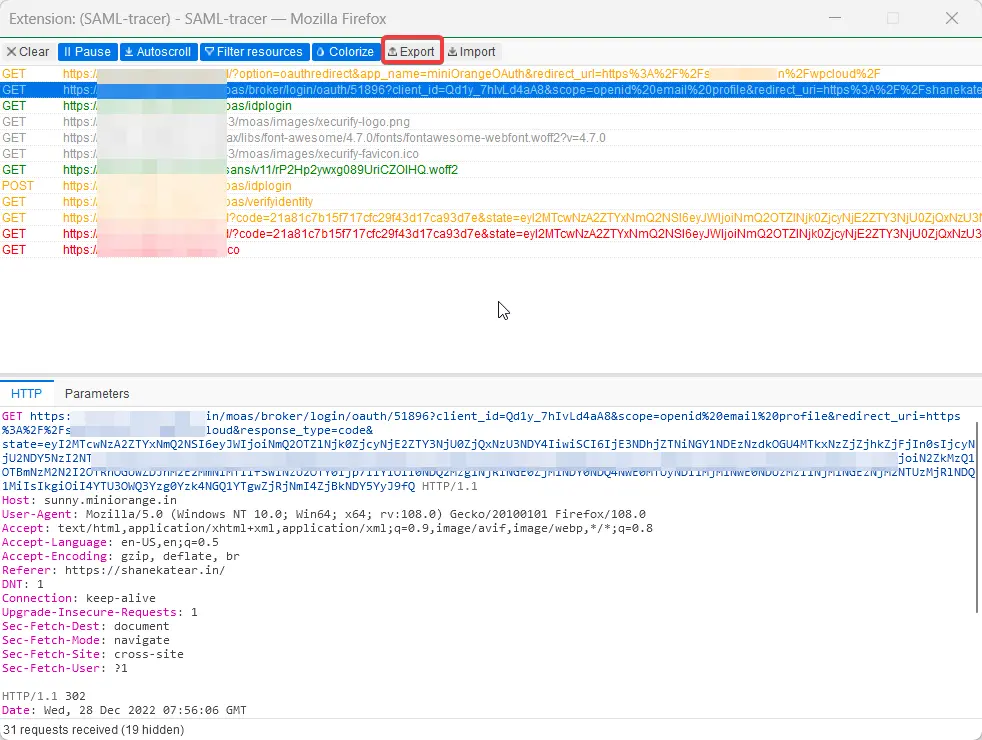
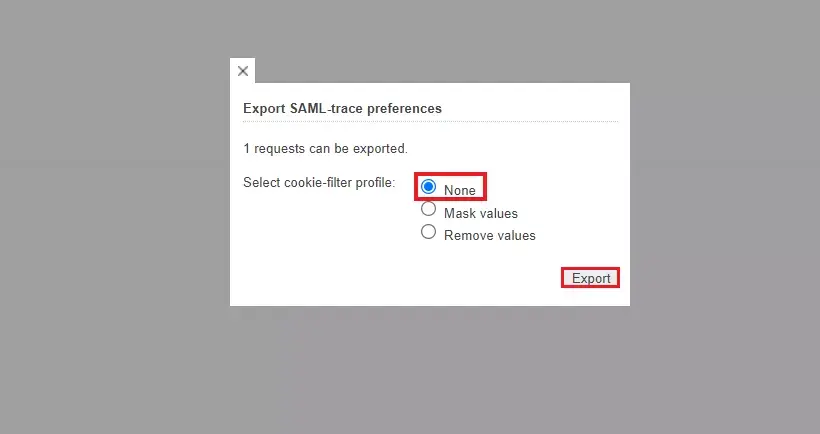
For Firefox: Add SAML tracer Add-On from the Firefox marketplace.
For Chrome / Edge or Chromium-based browsers: Install the SAML tracer extension from Chrome Webstore.